1,000-pound warhead: SUPER ICE cruise missile carries four times more explosive power
Israeli defense company Rafael Advanced Defense Systems has unveiled SUPER ICE, a new long-range cruise...
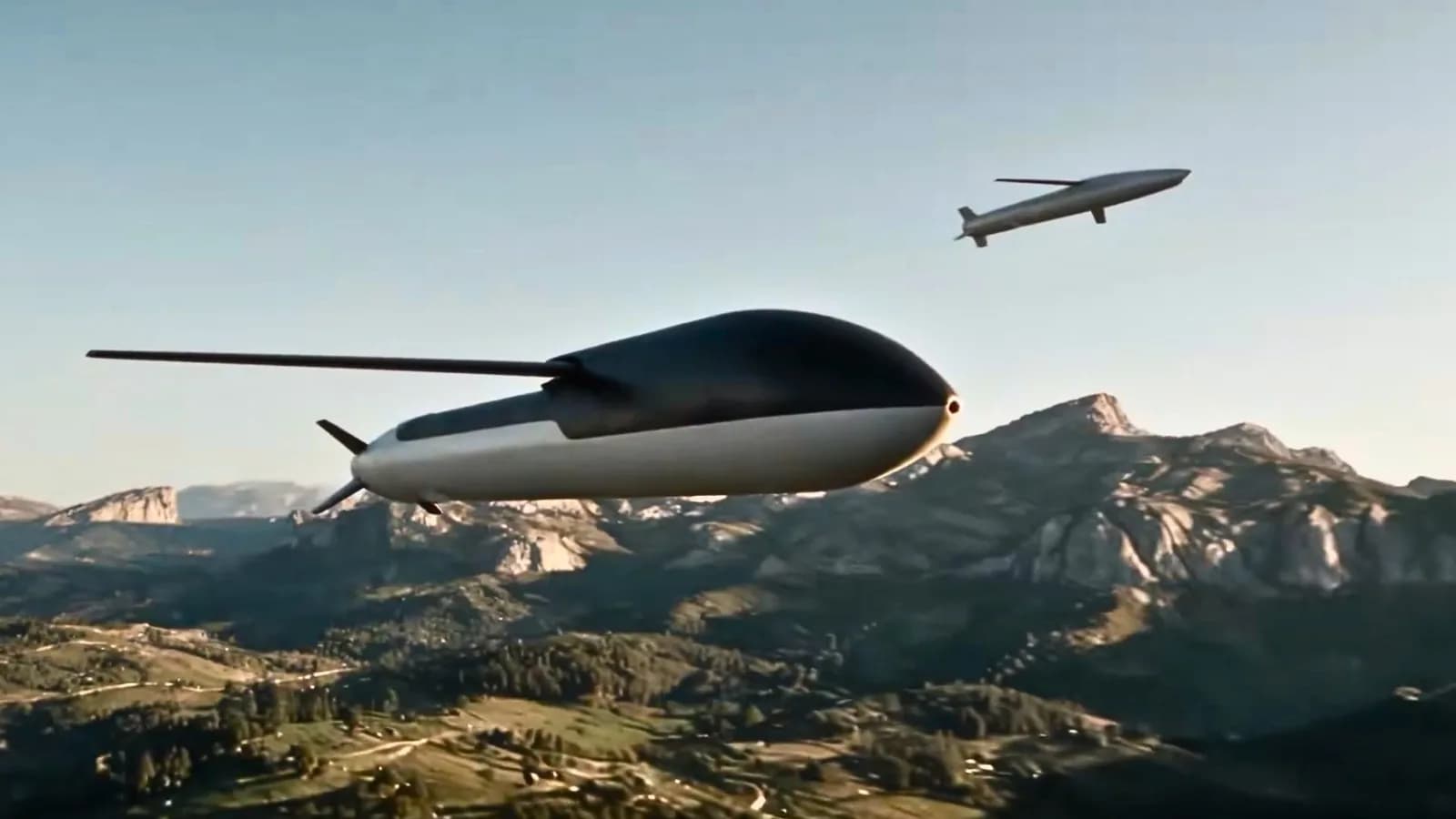
Israeli defense company Rafael Advanced Defense Systems has unveiled SUPER ICE, a new long-range cruise missile carrying a 1,000-pound (454 kg) warhead, four times heavier than the payload on its ICE BREAKER predecessor. The weapon is designed to expand Israel’s stand-off strike capabilities, with launch options spanning aircraft, ground-based systems and naval platforms.
Announced on November 11, 2026, SUPER ICE builds on Rafael’s ICE BREAKER cruise missile family while retaining compatibility with existing launch systems, mission-planning tools and logistics infrastructure. The company said this will let customers introduce a more powerful weapon without rebuilding their existing support arrangements.
The unveiling also marks another step in the firm’s effort to expand its long-range precision-strike portfolio, which traces its development history back to the company’s POPEYE missile family.
A heavier warhead with multi-platform launch capability
The most significant disclosed change is the warhead. SUPER ICE carries a 1,000-pound payload compatible with the U.S.-made Mark 83 bomb, compared with the 250-pound warhead associated with ICE BREAKER.
The larger payload gives the missile the potential to engage a broader range of high-value targets, including hardened military infrastructure. However, Rafael has not disclosed the new missile’s overall dimensions, weight, or exact destructive performance.
SUPER ICE is designed for launch from air, land, and sea platforms. According to the company, its multi-domain architecture allows customers to integrate it across different aircraft and ground- or ship-based launchers without significant modifications to existing platforms.
The company has not identified specific aircraft or naval launch platforms in its announcement. However, the missile is reportedly intended to be compatible with Israel’s F-35, F-16 and F-15 fighter aircraft.
Autonomous navigation and terrain-following flight
Beyond its larger warhead, SUPER ICE incorporates autonomous navigation, low-altitude terrain-following flight, all-weather operation, and an electro-optical guidance system using image-matching technology.
Image-matching guidance allows a missile to compare images captured by its onboard sensors with reference imagery to help determine its position and identify its intended target. This is particularly useful when satellite navigation signals are disrupted or unavailable.
יש Introducing SUPER ICE. A new generation of long-range precision strike.
Building on RAFAEL’s decades of experience in cruise missile development, SUPER ICE expands the ICE BREAKER family with a powerful 1,000-pound warhead and the ability to launch from air, land and… pic.twitter.com/VPxHcoQ86B
— Rafael Advanced Defense Systems (@RAFAELdefense) November 11, 2026
Rafael’s earlier ICE BREAKER uses an imaging infrared seeker, scene-matching algorithms, and navigation designed to operate in environments where Global Navigation Satellite System signals are denied or jammed. Its published specifications include a range of approximately 186 miles (300 kilometers), high-subsonic flight, and a 250-pound warhead.
Rafael has not released equivalent figures for SUPER ICE. The company has also withheld its exact range and speed, but the new missile is said to be faster and has a longer range than ICE BREAKER.
The ability to fly at low altitude is another important characteristic. Terrain-following flight allows a cruise missile to use the landscape to reduce its exposure to radar detection, potentially complicating an air-defense system’s ability to detect and intercept it.
Existing infrastructure could reduce integration costs
The defense firm is positioning SUPER ICE as an addition to an established weapons family rather than an entirely separate system. Its compatibility with existing launch equipment, mission planning and logistics could reduce the cost and complexity of introducing the new missile.
Gad Geva, Rafael’s senior vice president and head of its Air Systems Division, said customers could select between SUPER ICE and ICE BREAKER depending on the target and mission requirements. He also highlighted potential savings in mission planning and lifecycle costs.
The company has not disclosed SUPER ICE’s price, confirmed customers, or a firm delivery schedule. However, the missile could become operational around early 2027, as per various reports.
With SUPER ICE, Rafael is expanding its cruise missile portfolio with a heavier payload and greater launch flexibility. Its eventual value will depend on how effectively the company integrates the system across different platforms and demonstrates its capabilities against increasingly sophisticated air-defense networks.
Source: https://interestingengineering.com/military/rafael-unveils-super-ice-cruise-missile
Get the latest news delivered to your inbox.
Related articles