7.5mm chip uses mechanical resonator to advance quantum computing
Researchers from ETH Zurich have developed a system using mechanical vibrations at the micro-scale alongside...
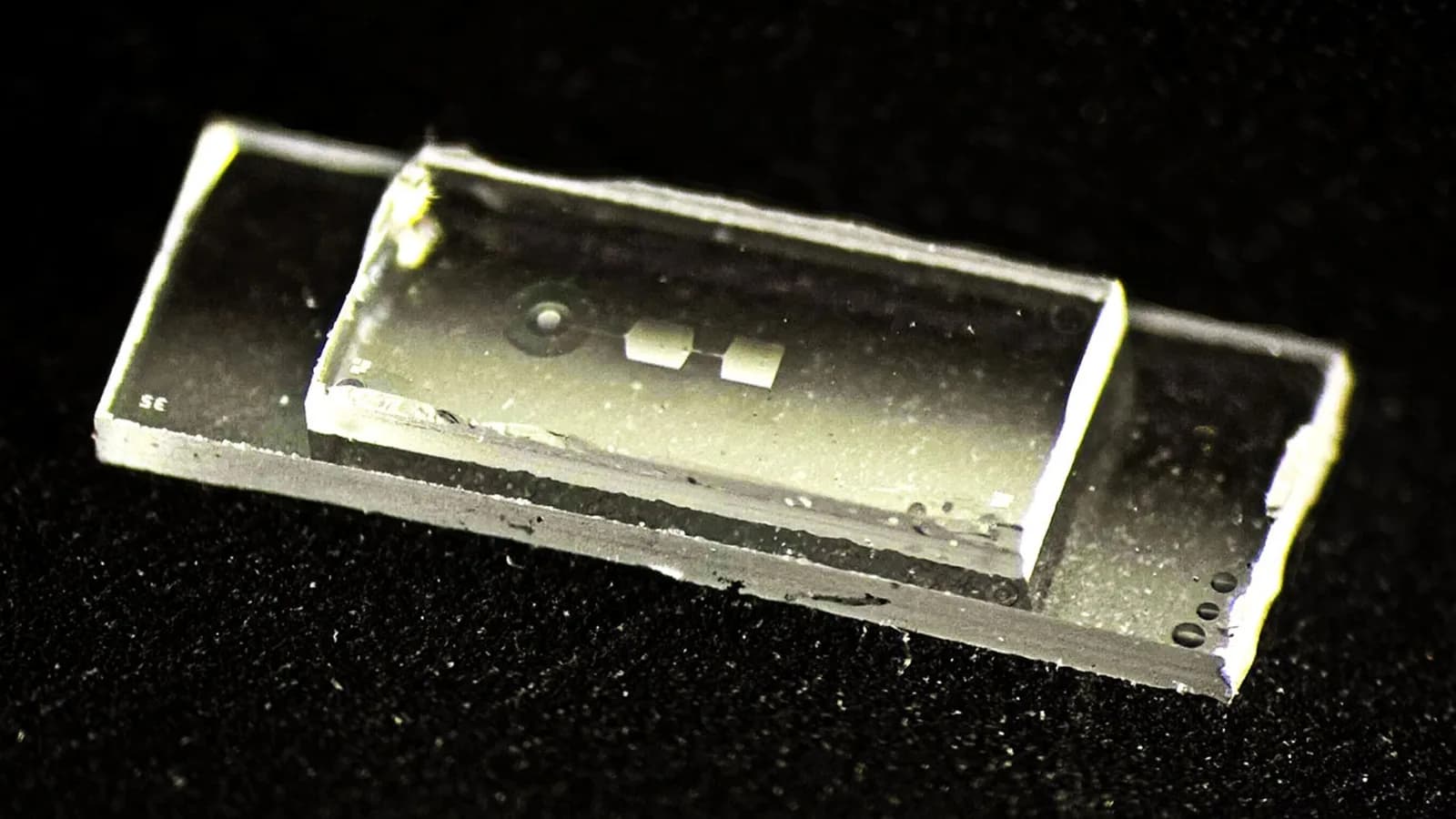
Researchers from ETH Zurich have developed a system using mechanical vibrations at the micro-scale alongside superconducting circuits to store and manipulate quantum information.
The research led by Yiwen Chu developed a system using a superconducting qubit that can interface with a mechanical resonator containing a range of vibrational modes. These modes are known as phonons and operate at very high frequencies that cannot be heard. The mechanical resonator has unique modes of vibration, similar to a guitar string having different notes depending on how it vibrates.
A new way to store quantum information
This design uses similar principles to classical computers. A central processing unit performs complex calculations whilst random access memory stores information. Chu’s quantum system follows a similar principle. A superconducting qubit acts as the processing and control unit, performing a role comparable to that of the central processing unit (CPU). Meanwhile, a separate quantum memory temporarily holds the information needed during calculations, allowing the processor to retrieve and modify it as necessary.
Many quantum computers use electromagnetic modes to store information. This can cause a large issue with space and reduce the size of devices. Using mechanical resonators can solve this problem as there are many highly coherent modes available in a small package. Information can also be stored with quantum states being easily lost. The resonator used is a high overtone bulk acoustic wave device in the prototype. All components fit onto a chip measuring 0.3in (7.5mm) long, 0.1in (2.5mm) wide and 0.04in (1mm) high. Many of the phonon modes allow multiple ways to store information whilst the superconducting qubit allows control.
Experiments to show quantum computing capabilities
The researchers found that their system could perform operations beyond just storing information. A full set of quantum gates were shown, which includes single qubit gates and controlled arbitrary phase gates. Important operations such as the quantum Fourier transform and quantum period finding algorithms were also performed. The Fourier transform is a fundamental operation used in many quantum algorithms. Period finding allows us to see how quantum computers can identify repeating patterns within mathematical problems.
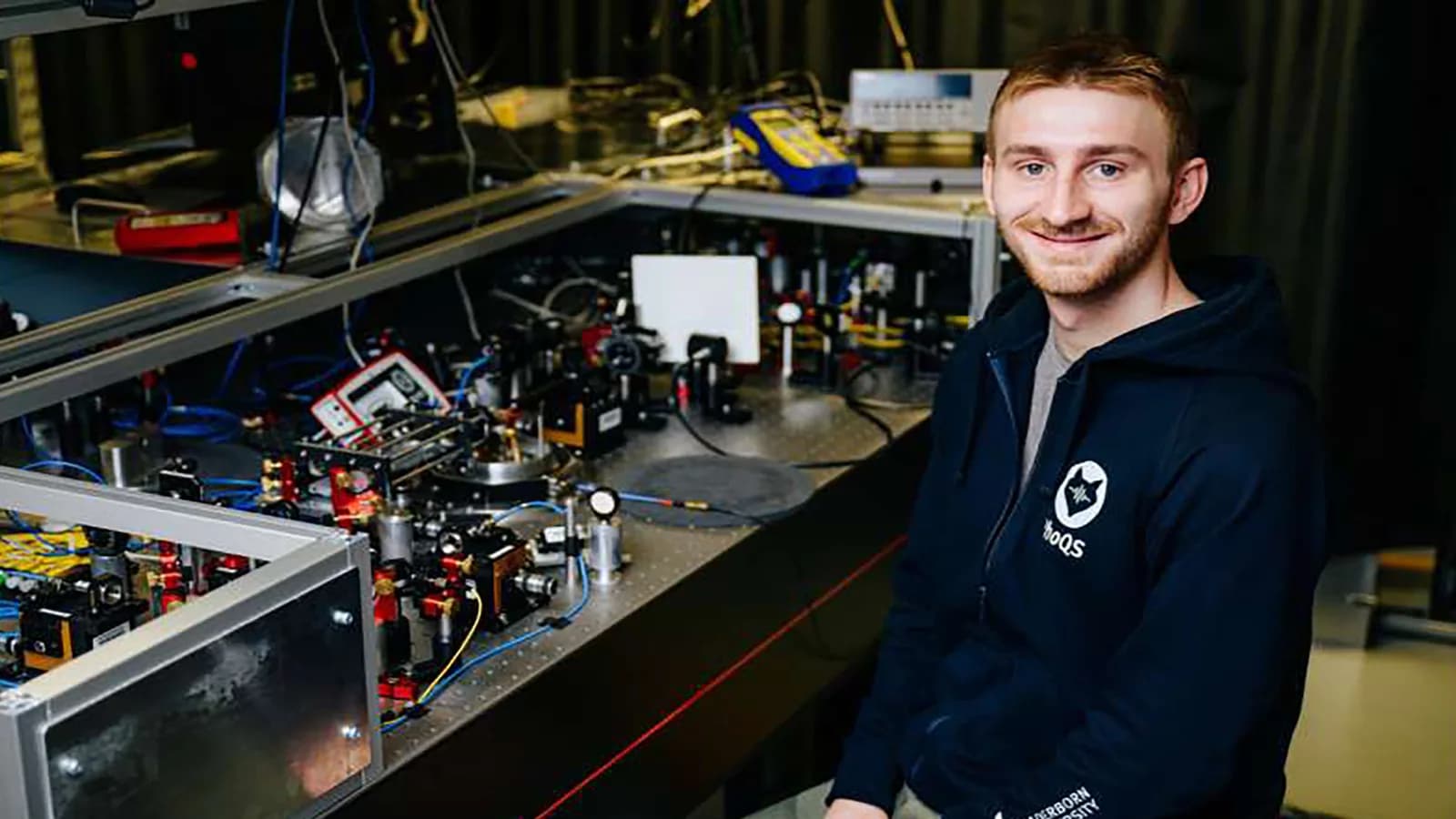
“The Fourier Transform is necessary for many quantum algorithms and period finding shows how it can be applied,” Igor Kladarić, a doctoral researcher within Chu’s group and co-author of the study said.
The results show that mechanical resonators can be used alongside superconducting qubits to perform quantum computing operations. This shows potential for quantum random access memories to be created and store information efficiently. However, the system is still in the experimental phase. There is currently a limit to how many modes can interact with the qubit.
Researchers are working to increase the coherence of the system and investigate different designs. Improving the read out speed of the qubit will be vital to scale this design as it needs to be reliable to be useful. This study shows that mechanical vibrations can be a promising aspect to add to quantum hardware. Future quantum machines may not only contain electronic and electromagnetic components.
Get the latest news delivered to your inbox.
Related articles