A baby T. rex was kitten-sized and one of 25 to 100 siblings, tiny fossils suggest
New fossils suggest Tyrannosaurus rex began life as a kitten-sized hatchling, one of dozens of...
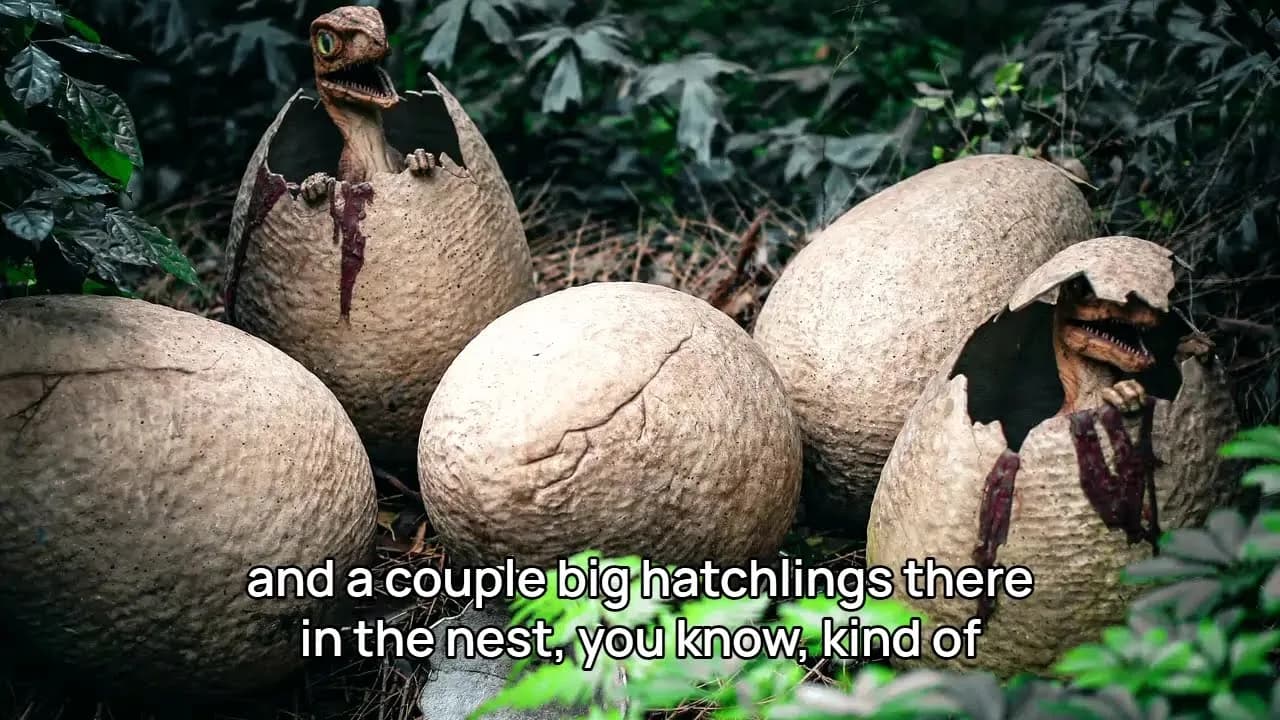
New fossils suggest Tyrannosaurus rex began life as a kitten-sized hatchling, one of dozens of siblings competing to survive. The finding comes from rare juvenile tyrannosaur fossils from Saskatchewan and Alberta, examined with synchrotron X-rays at the Canadian Light Source (CLS).
The study includes first author Nick Longrich, then a senior lecturer at the University of Bath.
Tiny bones, big clues
Longrich found a handful of tiny fossils in museum collections that did not match any of the small dinosaurs he was studying. Their porous bone texture showed they belonged to young tyrannosaurs.
The team took the fossils to the CLS at the University of Saskatchewan, where synchrotron X-rays let them see deep inside the bones. The scans revealed blood vessels, growth patterns and changes in bone density.
That information helped the researchers estimate the size of T. rex hatchlings and confirm the fossils came from young tyrannosaurs rather than embryos.
A crowded, dangerous nursery
The results paint a different picture of T. rex family life than the one often shown in movies. Longrich believes tyrannosaurs hatched dozens of young at a time, perhaps 25 to 100 from a single nest, and that many fell prey to predators before reaching adulthood.
“There just would’ve been tons of these little dinosaurs running around,” Longrich said. He said the young are rarely found because “they all get eaten.”
Juvenile T. rex fossils are rare because most discoveries are of adults, as earlier reporting on a “Teen Rex” specimen noted.
Parenting style revealed
So were T. rexes good parents? The findings suggest tyrannosaurs invested more care in their offspring than modern crocodiles or turtles but far less than many birds.
Rather than closely guarding a handful of young, they likely relied on producing large numbers of offspring, since many would never reach adulthood. “They were starting to become better parents, but they weren’t quite there yet,” Longrich said.
Longrich described the style as “more of a free-range parent,” not a helicopter parent hovering over offspring to protect and feed them. Think less guarding, more “Come on, kids. Don’t get eaten.”
The discovery offers new insight into how dinosaurs lived, reproduced and raised their young, and into the evolution of dinosaur reproductive strategies.
The paper, “Hatchlings of Tyrannosaurus rex and the Evolution of Dinosaur Reproductive Strategies,” appears in Biology and lists eight authors.
The study was published in the journal Biology.
Source: https://interestingengineering.com/culture/t-rex-hatchlings-kitten-sized-fossils
Get the latest news delivered to your inbox.
Related articles