
Caught on camera: How smart home devices are reshaping courtroom evidence law
A Taiwanese man used footage from his family’s robot vacuum to catch his wife in...
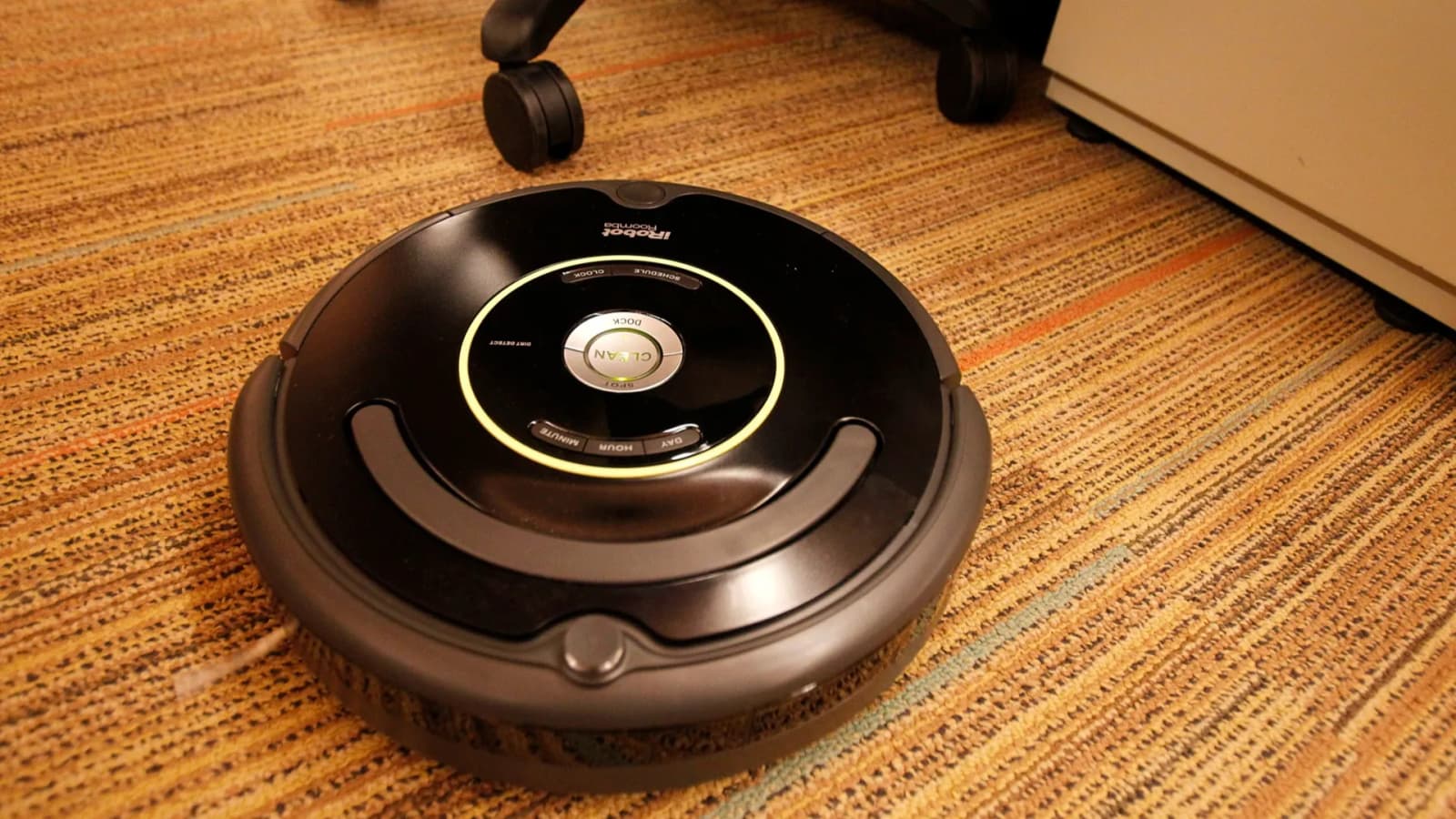
A Taiwanese man used footage from his family’s robot vacuum to catch his wife in an affair, then found himself facing criminal charges over the very recording that won him a civil payout. A new legal analysis from researchers at Arizona State University uses the case to illustrate a wider problem. Household robots are gathering evidence around the clock, but the rules for using that evidence in court have not kept pace.
The man grew suspicious of his wife in 2023 after finding an unfamiliar toothbrush at their vacation home. He matched a stranger’s face to garage security footage from the property. Months later, he opened his robot vacuum’s mobile app hoping to speak with his wife through its built-in speaker. Instead, he watched her with another man on the live camera feed and recorded it.
He then sued over the affair and collected roughly $16,000 from the pair. A court in Taoyuan separately convicted him of illegally recording private activity, sentencing him to five months in prison and fining him about $4,700.
Sensors disguised as appliances
Devices marketed for cleaning floors often double as recording systems. Depending on the model, they can carry cameras, microphones and laser-mapping hardware. Many stream live video to an owner’s phone or store cleaning and location histories on a manufacturer’s servers.
That pipeline has already failed once. MIT Technology Review reported in 2022 that prototype Roomba units built by iRobot had captured private images, including one of a woman in the bathroom. Contract workers hired to label the images for AI training shared them in private online groups. No breach or hack was needed, just a data-handling process working as designed.
Other devices in court
Robot vacuums are only the latest gadget to end up as courtroom evidence. Police in Arkansas sought recordings from a suspect’s Amazon Echo after a man died in a hot tub, though the murder charge against him was later dropped.
In Connecticut, fitness-tracker data undercut a husband’s account of the night his wife was killed. A state appeals court called that evidence scientifically sound when it upheld his murder conviction in 2025.
Where the law falls short
The researchers pointed to three unresolved legal problems. Devices rarely give people meaningful notice that they are being recorded, since a blinking indicator light offers little warning to guests, children or a spouse.
Even recordings made unlawfully by a private individual, rather than police, can often still be used against someone in court. That principle traces back to a 1921 US Supreme Court ruling. Federal wiretap protections also cover captured audio but not silent video, leaving camera footage to an inconsistent mix of state laws.
Consumer electronics were not built to survive legal scrutiny, either. Data logs, internal clocks and storage settings can shift in ways that complicate proving exactly what a device recorded and when.
Calls for clearer rules
The researchers recommend that manufacturers disclose clearly what each device records and how long that data is kept. They point to vehicle event-data-recorder standards as a possible model for the industry to adapt.
They also called on lawmakers to address home surveillance scenarios directly, rather than leaving courts to improvise rules case by case.
Source: https://interestingengineering.com/ai-robotics/robot-vacuum-secret-camera-evidence-privacy-law
Related articles

New EV battery adds 62 miles of range every minute, reaches 97% in 9 minutes
Chinese battery maker Sunwoda unveiled its latest fast-charging EV battery technology at a battery industry...
US school teacher discovers first-ever adult T. rex trackway from 66.5 million years ago
Millions of years after a massive Tyrannosaurus rex trudged through a prehistoric mudflat, paleontologists can finally follow...

How V7 gives AI agents institutional memory
Using GPT-5.6, V7 turns scattered company files into context agents can use to complete complex, source-linked work.
Single-actuator drone modeled on maple seeds flies with 43.5% less error, study finds
A flying robot with just one moving part may sound simple. Controlling one precisely is...
New film blocks 99.99% of radar waves, could advance stealth jet technology
A new film, thinner than human hair, has been designed to block 99.9999999 percent of...
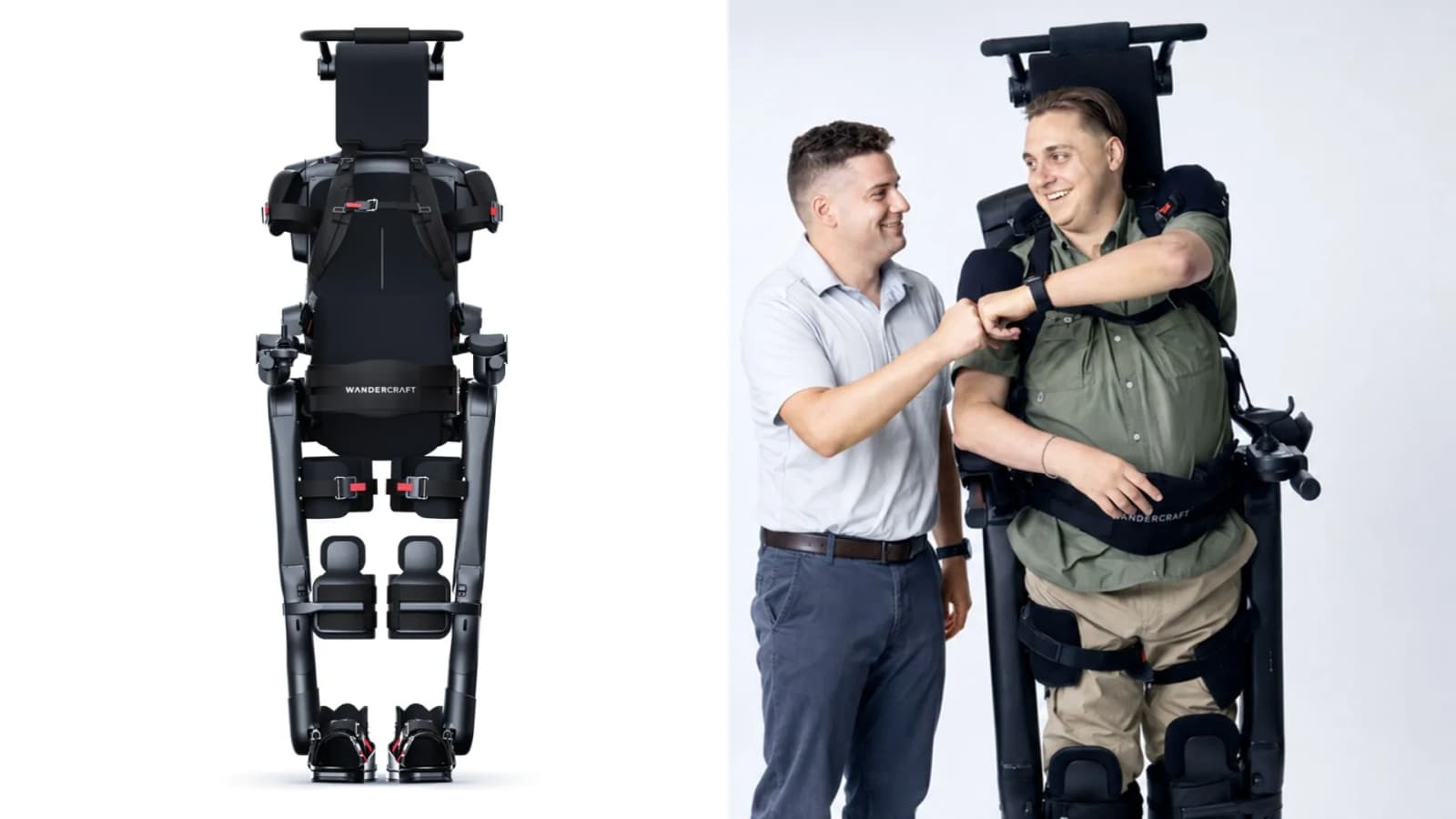
World’s first FDA-cleared self-balancing personal exoskeleton launched, offers hands-free upright mobility
A Paris-based company has announced the U.S. commercial launch of Eve, the world’s first FDA-cleared...