China develops robot to inspect 500-kV power lines, checks 35 insulators in six minutes
China has developed an intelligent diagnostic robot designed to detect faulty insulators on high-voltage electricity...
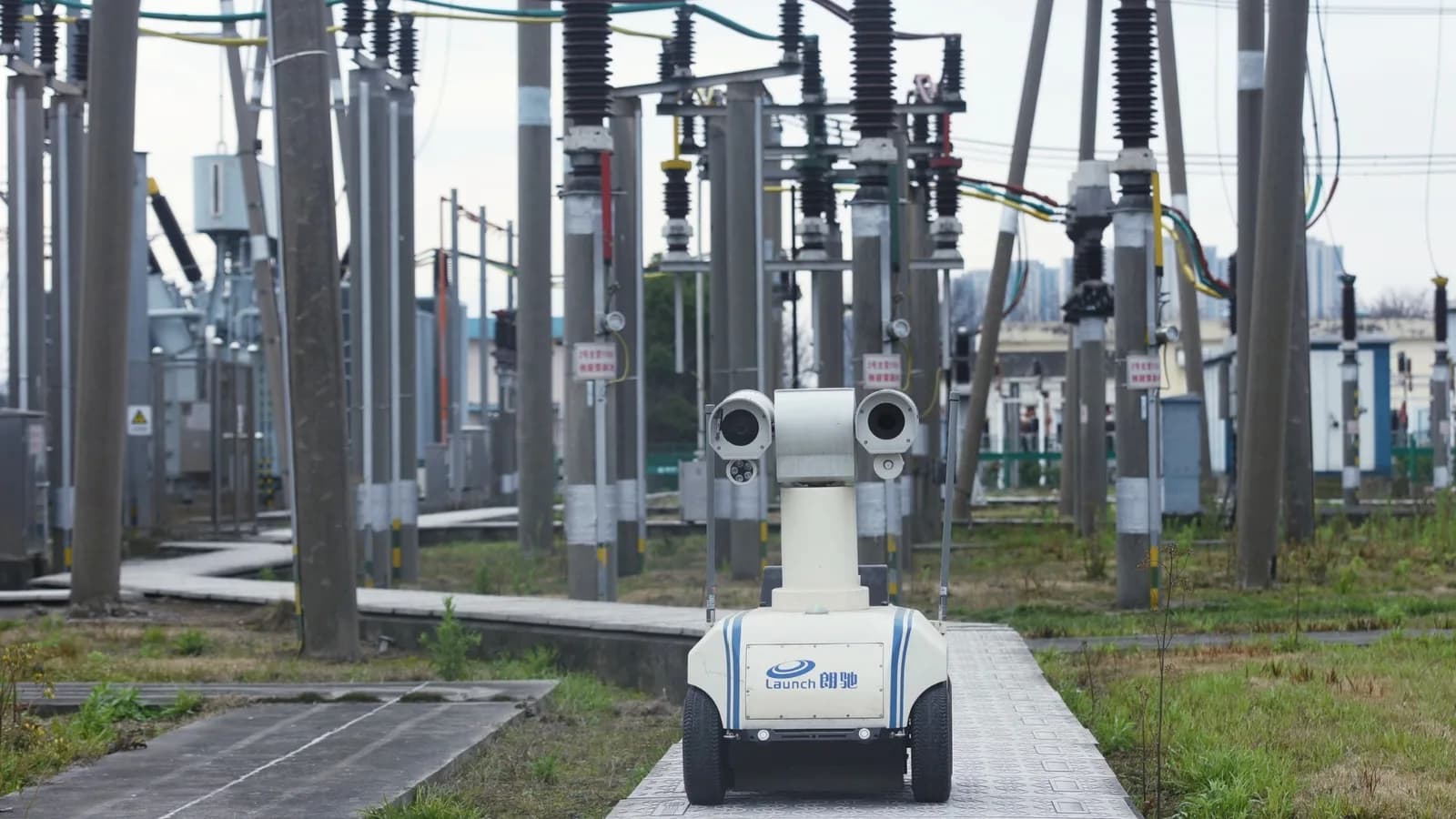
China has developed an intelligent diagnostic robot designed to detect faulty insulators on high-voltage electricity transmission lines. The system aims to help maintenance teams identify potentially dangerous equipment defects without interrupting power supply or requiring workers to climb transmission towers.
Developed by the China Electric Power Research Institute (CEPRI), the technology is intended to improve the safety and reliability of the country’s extensive power transmission network.
The robot enables unmanned high-altitude inspections, eliminating worker exposure to falls and electric shocks while shifting grid maintenance toward proactive fault detection and predictive monitoring.
Detects insulator defects
The intelligent diagnostic robot can identify defective insulators on high-voltage transmission lines without power outages or requiring maintenance workers to climb transmission towers.
Developed by CEPRI, the system is designed to detect low-resistance defects known as zero-value insulators. These defects can compromise the electrical insulation of transmission lines and increase the risk of equipment failures. The robot automates inspections of critical components while reducing the risks associated with conventional maintenance procedures.
According to a report by the Global Times, the robot can inspect an entire string of 35 insulators on a 500-kilovolt transmission line in approximately six minutes. It achieves a recognition accuracy of more than 95 percent, while improving operational efficiency by around 80 percent compared with traditional manual inspection methods.
The system combines photoelectric sensing technology with specialized insulator defect detection techniques. The research team also developed miniaturized crystal sensors capable of supporting wide-range detection and iterative upgrades. These technologies were integrated into an engineering identification system designed to locate defective insulators during high-altitude operations.
The robot can carry out fully unmanned inspections without requiring personnel to work directly on energized transmission towers. This eliminates workers’ exposure to risks associated with falls from height and electric shocks during these inspection tasks. The technology is also intended to help power utilities identify potential equipment failures before they develop into more serious problems.
Transforms grid maintenance
Porcelain insulators are essential components of overhead electricity transmission lines, preventing electrical current from passing between energized conductors and supporting structures. However, prolonged exposure to outdoor conditions, mechanical stresses, and electrical loads can gradually degrade their insulating properties.
Such deterioration can produce zero-value defects, in which an insulator loses much of its ability to withstand electrical stress. If left undetected, these defects can contribute to insulation breakdown, insulator string failures, and other incidents that threaten the stability of the electricity grid.
Conventional inspection methods typically require maintenance personnel to climb transmission towers and examine individual insulators. These operations expose workers to considerable occupational hazards and can be time-consuming, particularly across extensive transmission networks. Manual inspections can also miss defects, making automated detection an important area for improving maintenance efficiency.
CEPRI’s team completed the full robot system in October and subsequently conducted comprehensive testing. The project incorporates domestically developed technologies intended to provide a new inspection solution for China’s ultra-high-voltage and extra-high-voltage transmission infrastructure. Experts assessed the overall technology as reaching an internationally leading level, according to the report.
According to the CEPRI, the robot represents a shift in grid maintenance from reactive repairs toward proactive fault prevention and intelligent prediction. Researchers also highlighted the importance of China’s extensive electricity infrastructure and varied operating environments in advancing robotics. Large-scale deployment scenarios provide opportunities to test robotic systems under real-world conditions and generate data for continued technological improvements.
Source: https://interestingengineering.com/ai-robotics/chinese-robot-inspects-500-kv-power-lines
Get the latest news delivered to your inbox.
Related articles