From living rooms to hospital wards: Sony’s Aibo dogs find new purpose in care
Sony’s Aibo robot dogs used to be for domestic use, but is now being used...
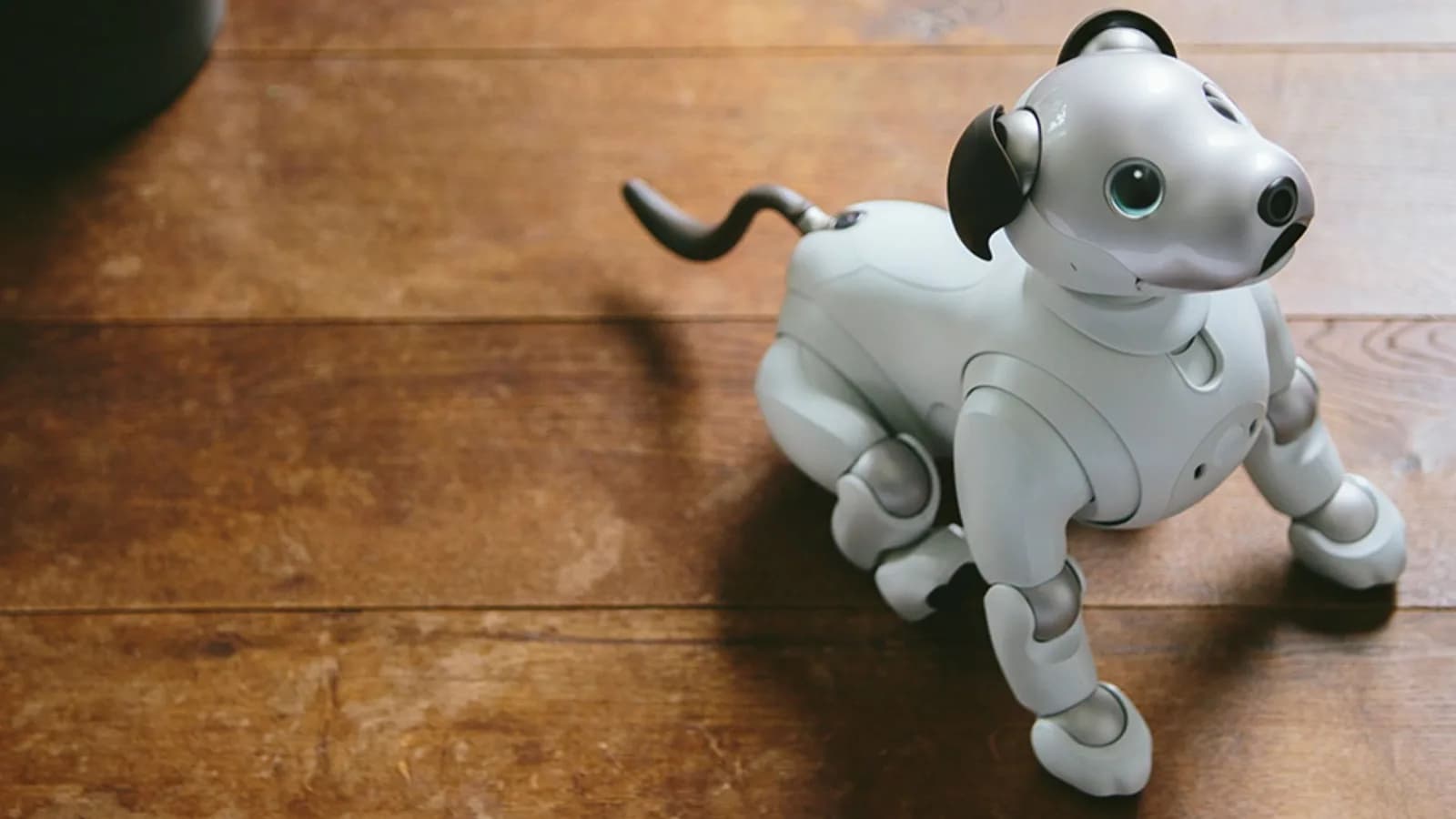
Sony’s Aibo robot dogs used to be for domestic use, but is now being used in Japanese hospitals and other establishments to provide companionship. Sony has developed a scheme whereby it collects in used Aibo robots and then reuses them by repairing and upgrading them. This has provided a new function for a product which is no longer made and has run out of stock.
Since 1999 Aibo robots have been available for purchase. Those that are no longer able to look after their Aibos sometimes donate them to Sony Group Corp. Sony then repairs and upgrade them within its adoption scheme and deploy them in medical and other establishments.
Robot dogs help put young patients at ease
An Aibo robot is currently used at St. Marianna University School of Medicine in Kawasaki, close to Tokyo to help patients relax. Furthermore, it has even been successful in persuading children, who may typically avoid medical tests, to participate in these, according to Dr Manabu Komori of the university’s department of otolaryngology.
The Aibo robot can recognize and react to both humans and its environment. It can identify its own name together with the faces of its owners and analyze its surrounding.
In addition to barking, it can move its head and ears and approach humans. Moreover, it acts in a manner suggestive of contentment when stroked. The Aibo is also able to take pictures and carry out self-diagnosis.
Although Sony does not reveal either sales figures or prices for Aibo robots, the adoption scheme ensures that donated Aibos are put to good use. Within a medical establishment, for example, they can serve as a point of interest for patients, whether they are awaiting or undergoing medical treatment.
Also, the robot provides medical professionals with an additional means of starting a dialogue with children who may find medical environments daunting.
The appeal of cuteness and companionship
Donating an Aibo can sometimes be viewed by owners as akin to consigning a child away, explained Yoshiyuki Katsuno, the Sony representative responsible for the adoption scheme. He feels that Aibos can stimulate discussion and also brighten the mood of those who are lethargic or demotivated.
In addition to robotic dogs, actual dogs are also employed within the hospital to provide patients with companionship. However, live dogs require feeding and maintenance and behavior can occasionally be difficult to manage. Although Komori has not stated that robot dogs are superior to live dogs, the contrasting requirements of each can in some cases render robot dogs advantageous within a medical context.
Besides, aspects of ‘kawaii’, which translates from Japanese as cute and is associated with friendliness and sociability, contribute to the attraction of Aibo robots.
Jerry Wang, executive chairman of FF EAI Robotics Ecosystem, a U.S.based firm that produces four-legged monitoring robots, emphasized that a good looking design can facilitate the development of emotional bonds between humans and machines.
Although Aibo robots are not able to undertake housework, their function has evolved from that of a consumer product. Within a hospital, for instance, they can successfully draw attention to themselves. They can additionally help to alleviate any awkwardness and serve as a unifying topic of discussion between patients and medical professionals.
Thus, Sony’s adoption scheme has succeeded in reusing an end-of-life product in contexts in which companionship can be valuable.
Source: https://interestingengineering.com/ai-robotics/sony-aibo-robot-dog-comfort-hospitals
Get the latest news delivered to your inbox.
Related articles