Nyambaatar says a 1970s study warned against household use of Tavantolgoi middlings
Kh. Nyambaatar said in his livestream that Soviet and Mongolian scientists advised in the 1970s against using Tavantolgoi's intermediate coal product in households, yet the Tavantolgoi Tulsh plant was built around it.
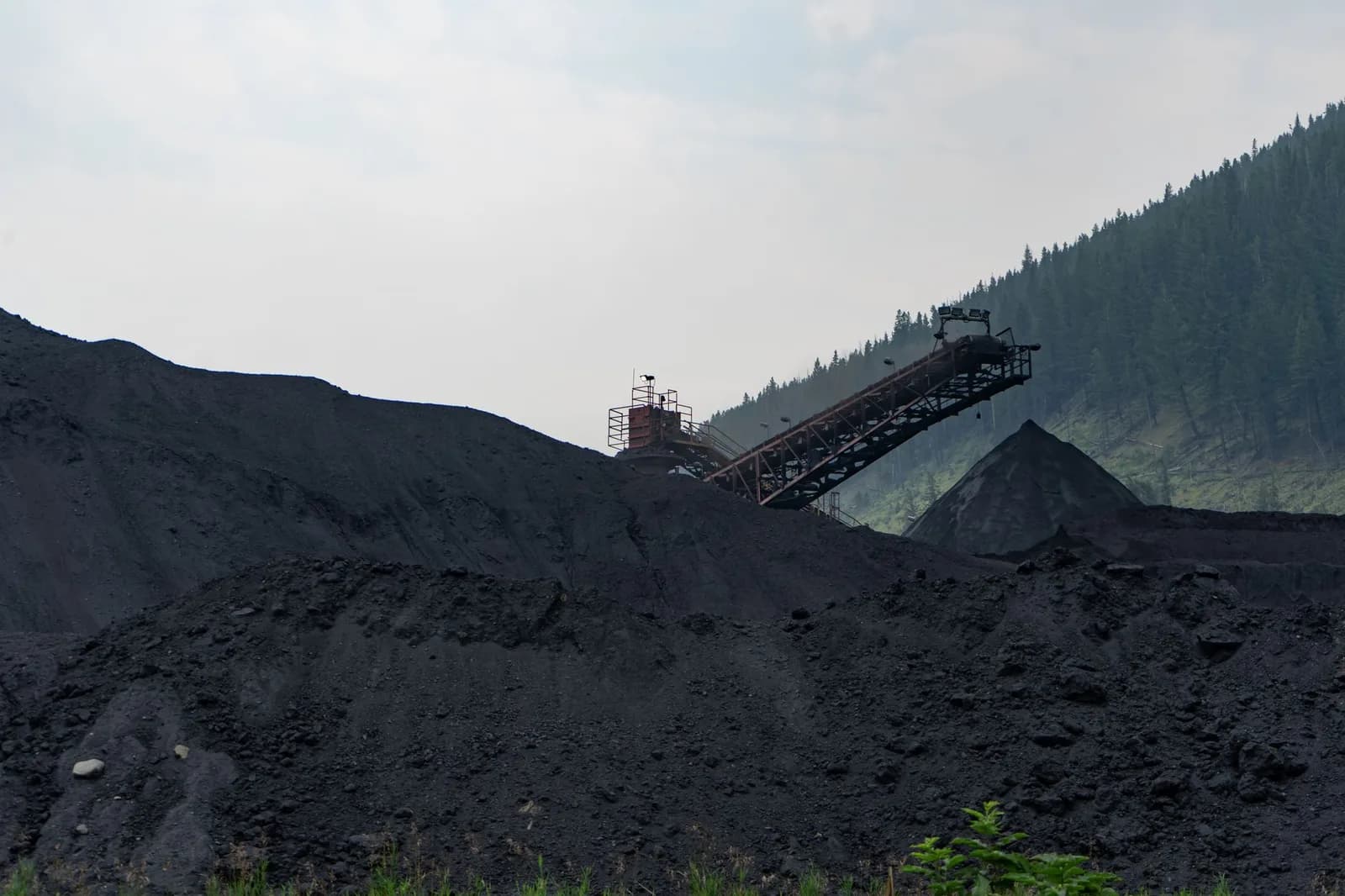
Former Ulaanbaatar Governor Kh. Nyambaatar used his November 28 livestream to question the raw material used by Tavantolgoi Tulsh, claiming the plant was built in breach of scientific advice given half a century ago.
According to Nyambaatar, Soviet and Mongolian scientists carried out drilling and exploration at the Tavantolgoi deposit group in the 1970s and prepared a feasibility study. He said the report is kept in the archive of the Mineral Resources Authority and contains a recommendation banning household use of the deposit's middlings, the intermediate product of coal washing. He said the report warned that household use could put many lives at risk.
He said that when construction began in 2018, the plant's feasibility study was nevertheless based on Tavantolgoi coal. In his view, this went directly against the scientists' advice, and the plant's products have cost many lives since it began operating.
Nyambaatar said the middlings have a calorific value above 6,000 kilocalories, are unsuited to household stoves and are harmful in domestic use. He said thousands of people were poisoned by carbon monoxide because coal suited to metallurgy was forced into household use.
He also referred to a study by German scientists that former MP Chinburen had presented to the public. According to Nyambaatar, autopsies of people who died of liver cancer found that toxic compounds in coal were a leading cause, and the study concluded that air pollution was one of the main causes of liver cancer. He did not say when the study was presented or where it was published.
Near the end of the livestream, Nyambaatar said air-quality specialists had concluded that high concentrations of polycyclic aromatic hydrocarbons are producing the most harmful compounds in the city's air. He criticised the decision to build three large plants "without scientific calculation or research," saying that "solutions must be based on science, calculation and research."
Speaking as a former state official, he apologised to the families of people who died from carbon monoxide poisoning and demanded the plant be closed immediately. With the smog season under way, he urged residents to wear masks.
The 1970s report, the German study and the other findings Nyambaatar cited have not been independently verified and remain his claims. At the time of writing, no public response had been found from the relevant authorities on the quality of Tavantolgoi coal or the plant's feasibility study.
Get the latest news delivered to your inbox.
Related articles