Food law to be renamed and good-practice standards made mandatory
Amendments to the food safety law submitted by MP S. Lundeg and 12 colleagues would rename the law, make good-practice standards mandatory at every stage of the food chain, and set out liability for pesticide and antibiotic residues. The sponsors have withdrawn a provision to create an independent agency.
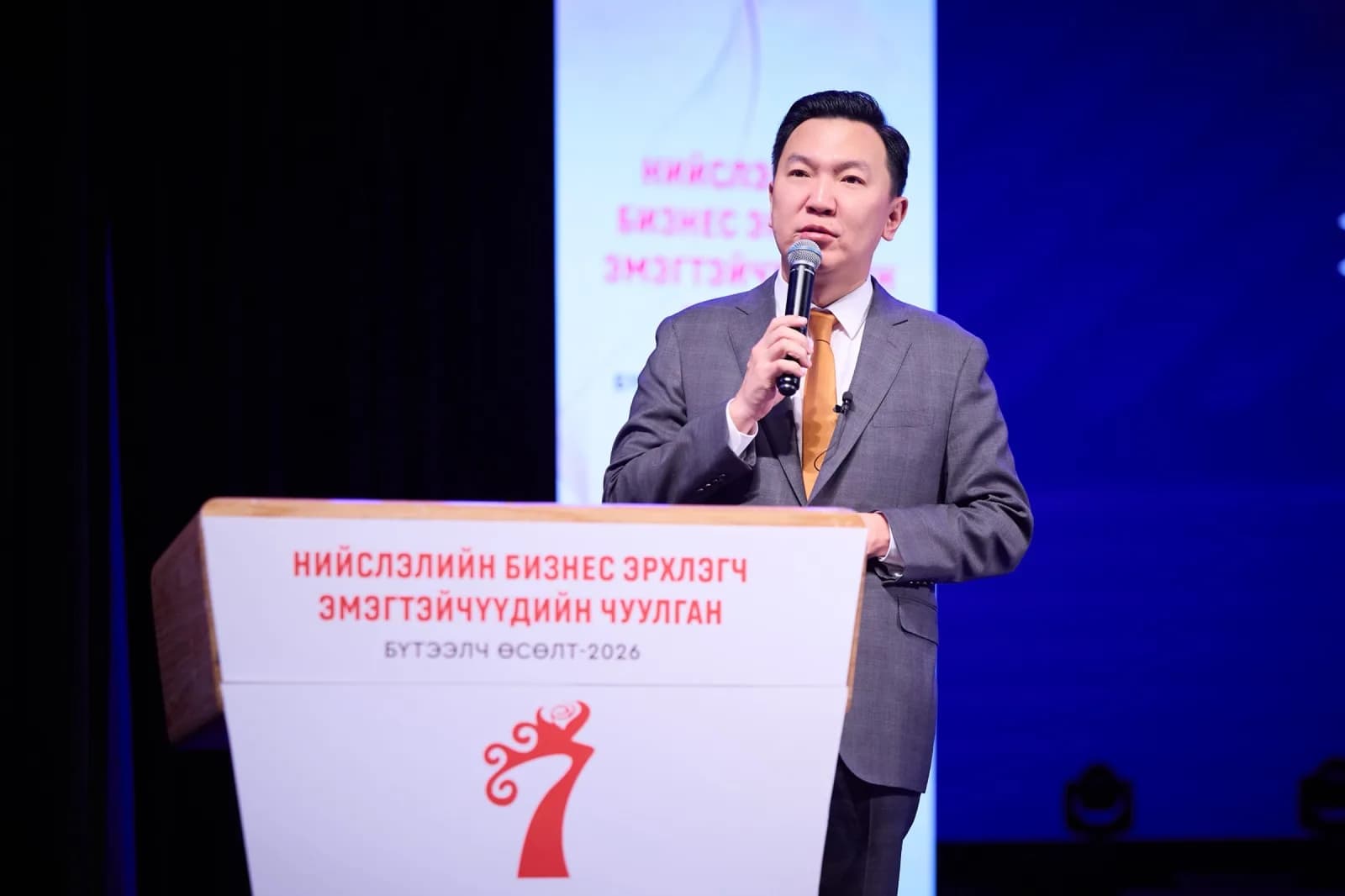
On 27 November the State Great Khural debated whether to take up amendments to the law on ensuring food product safety, together with companion bills and a draft resolution. MP S. Lundeg and 12 other members submitted the package on 4 July 2025. MP M. Mandkhai presented it on behalf of the sponsors.
Rationale
Mandkhai said implementation of the law, adopted in 2012, stands below 50 percent. He noted that according to a preliminary 2024 review by the World Health Organization, Mongolia ranks first in the world for liver cancer incidence and mortality.
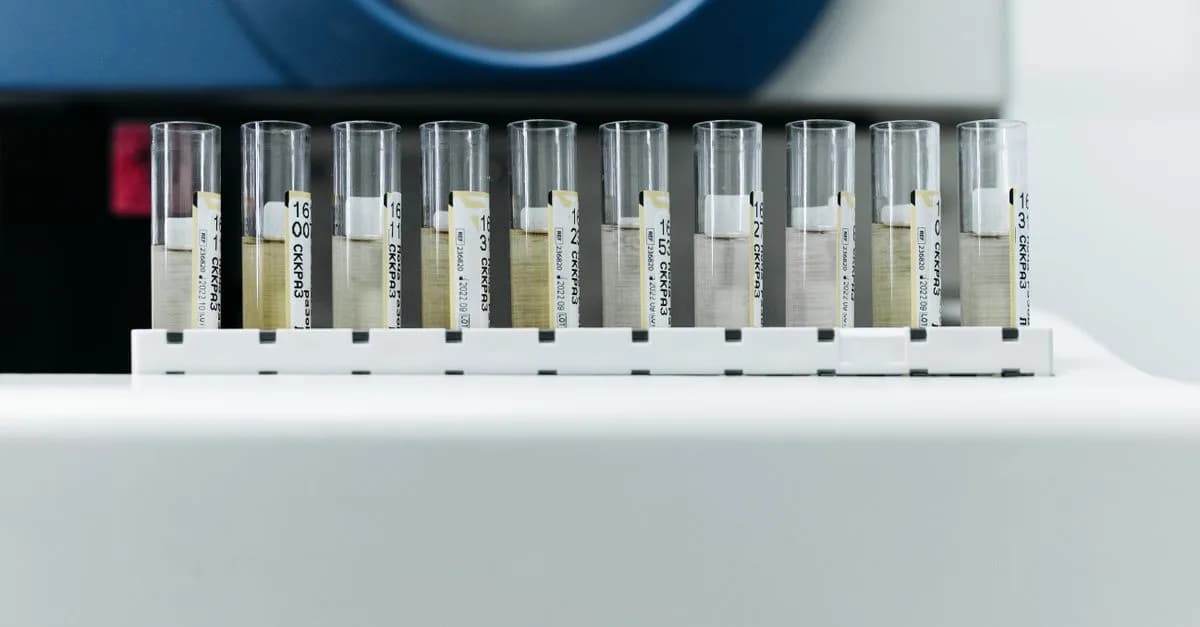
He said that when the General Agency for Specialized Inspection was abolished in December 2022 and food laboratories were moved under the standards agency, coordination between inspection bodies broke down and the number and frequency of lab samples fell. More than 2,000 additives are used in food production, he said, and they pose health risks when expired, overused or misused.
Main changes
The law would be renamed the law "on ensuring food assurance". Good-practice standards would become mandatory at every stage: agriculture, production, transport, retail, storage and catering. The bill also provides for controls on the calorie content of menus at catering outlets, controls on counterfeit food and limits on advertising.
Producing food with pesticide or antibiotic residues above maximum permitted levels would be banned. If lab tests confirm a violation, herders, farmers and producers would be held liable. If wild berries, nuts, mushrooms or tea plants are found to contain substances above permitted levels, the people or companies that picked or sold them would be liable. The bill also requires laboratory costs to be included in budgets every year.
Agency provision withdrawn
Mandkhai said the Government had opposed creating an agency because it would require a new structure, staff and budget, so the sponsors had "fully withdrawn" the provisions related to the agency.
MP M. Gankhuleg presented the findings of the Standing Committee on Environment, Food and Agriculture and said a majority of the committee had backed taking up the bill. The debate paused for question time and resumed afterwards. The result of the vote is not included in the session record.
Sources: Record of the State Great Khural plenary sitting, 27 Nov 2026
Get the latest news delivered to your inbox.
Related articles