China says it will fast-track a comprehensive AI law covering the full model life cycle
China's top economic planner said it will accelerate a foundational, comprehensive AI law, set safety and ethics standards across the entire AI life cycle, launch sector-specific regulatory sandboxes and require developers to report incidents and vulnerabilities.
China's National Development and Reform Commission (NDRC) said on Tuesday, November 3, that it will speed up work on a foundational, comprehensive law on artificial intelligence, as part of a broader push to build a full legal framework for the technology during the 15th Five-Year Plan period (2026–2030). The remarks came at the first in a series of NDRC briefings on the plan's goals.
From development to deployment
According to Xinhua, Wang Ruomeng, deputy director-general of the NDRC's Department of Innovation and High Technology Development, said there is broad consensus that AI brings both opportunities and risks. China will establish safety standards and ethical guidelines covering the entire AI life cycle and will accelerate rules on common elements such as data, computing power and algorithms, as well as on key application areas. Because the technology iterates quickly, the government will periodically review how the rules work and adjust provisions that no longer fit.
A fuller readout published by Beijing Daily said authorities will set reasonable transition periods and transparent, predictable requirements, provide compliance guidance and certification services to lower costs, and support AI "regulatory sandboxes" in different sectors, with defined procedures for entry, testing and exit. Developers and operators will be pushed to strengthen risk management, promptly disclose security risks and proactively report security incidents and vulnerabilities.
Jobs and international cooperation
Wang said the government will closely monitor AI's impact on employment, strengthen early warning on job displacement and reinforce social security, and will add new occupations such as model trainers and data annotators to the national classification system. He also said 38 countries have joined the China-initiated World AI Cooperation Organization as founding members.
Who is affected
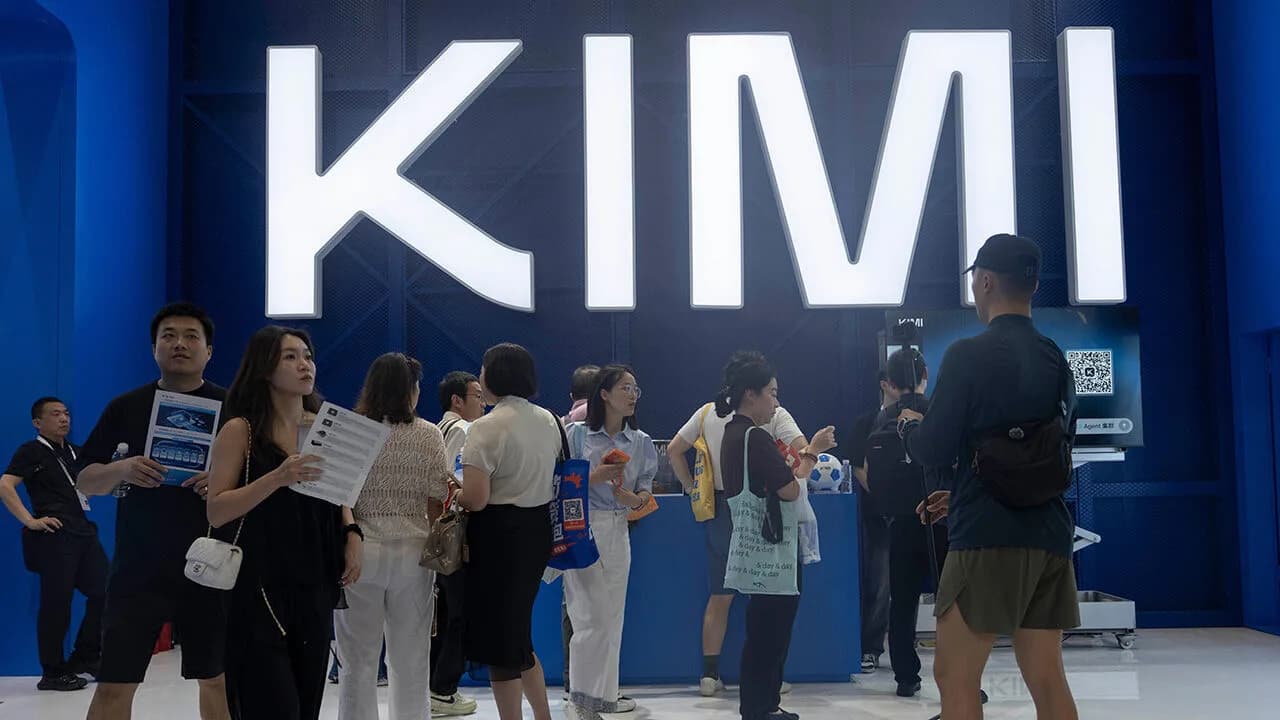
Bloomberg Law reported that the rules would extend to developers from DeepSeek to Moonshot and Alibaba, and described them as some of the most comprehensive guidelines aimed at preventing a loss of control over increasingly powerful AI. China currently regulates generative AI largely through ministerial measures; no timetable for adopting the new law has been announced.
Sources: Xinhua via gov.cn, Beijing Daily, Bloomberg Law, Xinhua English, SBS News
Get the latest news delivered to your inbox.
Related articles