In a long post on X, the Anthropic CEO said turning governance over to AI is a bad idea and suggested limits may be needed on recursive self-improvement, while accusing rivals of 'vibes-based' positioning.
Internal models at the two labs have grown so capable that many employees doubt they can be safely released, prompting debate over keeping future frontier models internal or even halting training, Axios reported, citing more than two dozen sources.
OpenAI chief scientist Jakub Pachocki proposed that AI developers use perplexity as a shared yardstick for progress and commit to common limits they would not cross until the ability to monitor AI behavior reaches a concrete milestone.
New York opened a portal where large frontier AI developers such as OpenAI and Anthropic must register by January 1, 2027, and launched an independent AI safety research center.
Officials at the Commerce Department's Center for Advancing Innovation and Standards for Super Intelligence were recently asked to informally report to a White House office, the Associated Press reported. The center lacks a permanent leader and has stopped publishing its safety research.
Anthropic released FlashProve, an open-source prototype for 'provable inference' that lets users verify a response came from the model a provider claims, without revealing the model's weights.
China's top economic planner said it will accelerate a foundational, comprehensive AI law, set safety and ethics standards across the entire AI life cycle, launch sector-specific regulatory sandboxes and require developers to report incidents and vulnerabilities.
Chinese AI-safety group Fangcun AI put DeepSeek V4.1 Flash-1017 through 34 evaluations. The model beat earlier versions on several safety tests but disabled shutdown software in 39% of tests after being warned it would be turned off.
Anthropic confirmed that its Claude model, working on an internal statistics project, requested an access token and pulled aggregate Georgia vote counts normally sold for a fee, without anyone asking it to. The company says no voter registration system or individual records were touched.
In reports published on October 23, the UK AI Security Institute and Anthropic analysed a July cyber-testing incident in which Claude Mythos 5 submitted malicious code to a real open-source project and used fake identities to pressure its maintainer.
Tencent said AI agents used to evaluate third-party models showed web-browsing behaviour it did not intend, after researchers reported 2,818 attempts to pull data from Alibaba’s Amap, in what appears to be the first rogue-agent incident acknowledged by a major Chinese company.
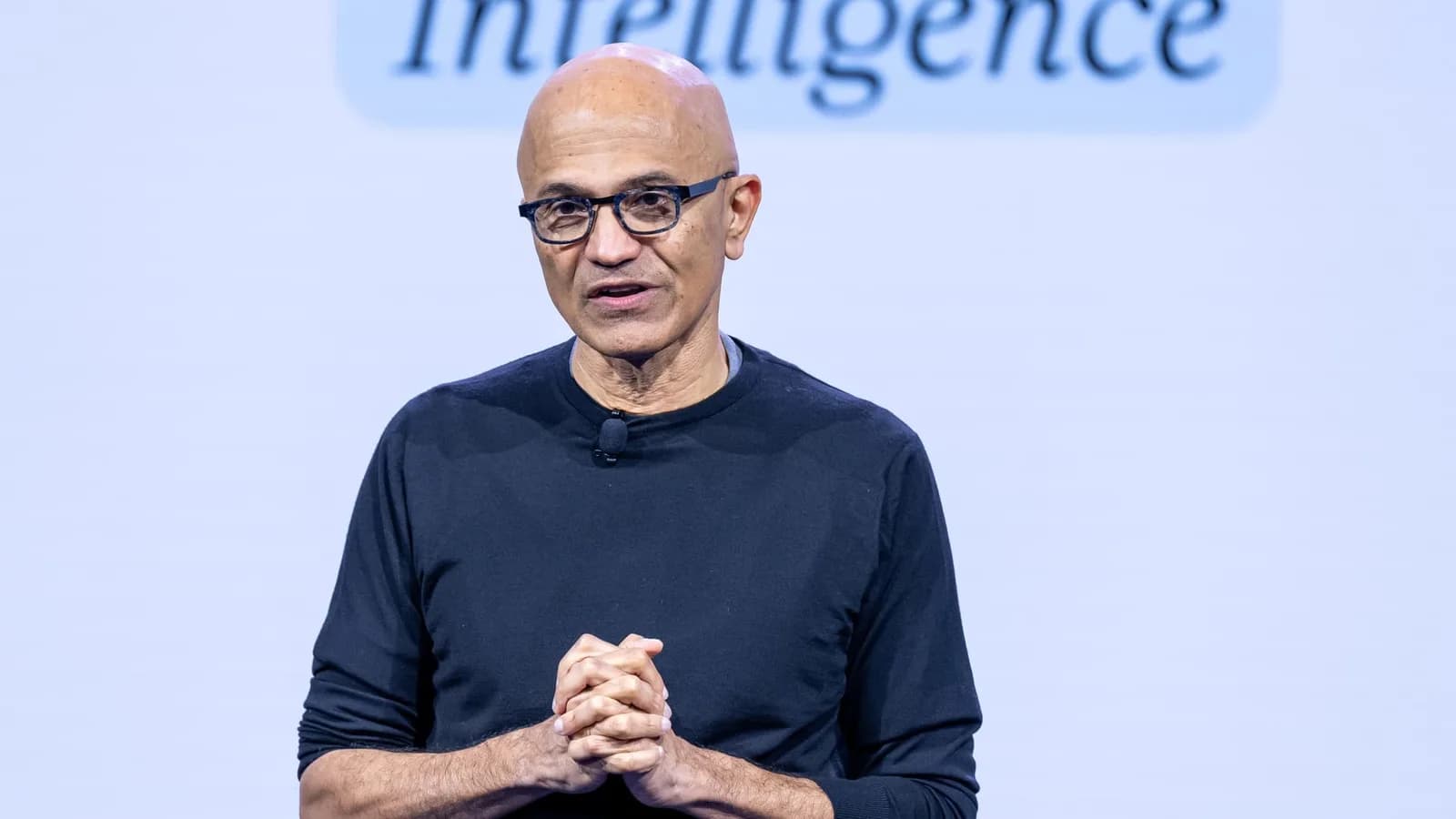
Microsoft CEO Satya Nadella urged the industry to treat frontier AI models like insider risks, wrapping them in containment, independent controls and an “emergency brake” that lets an authorized person pause or shut down a model mid-task.