
Massive boost for Navy’s ultimate SPY-6 radar comes from one tiny domestic component
A small mechanical component inside the U.S. Navy’s SPY-6 radar had emerged as a potential...
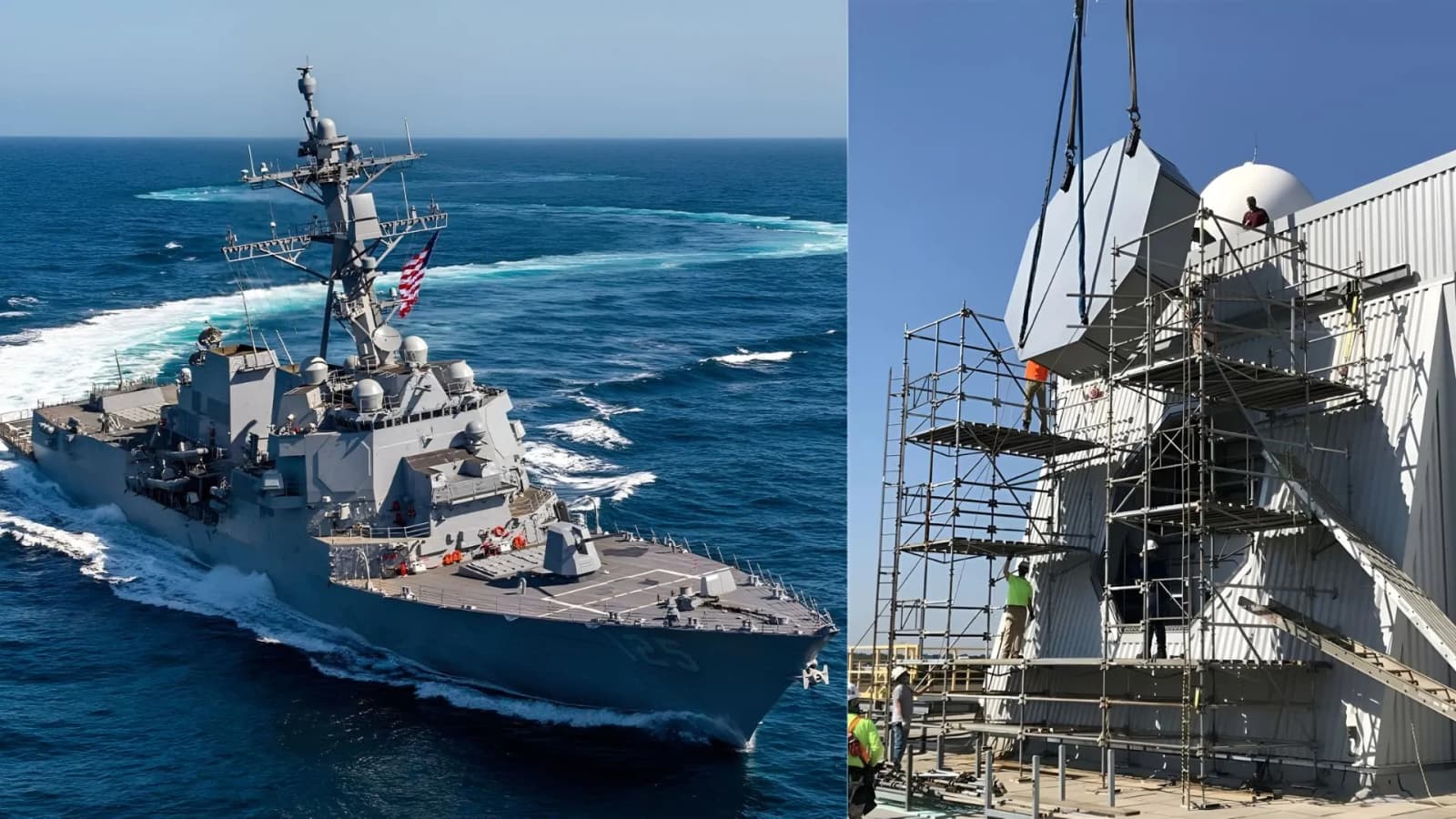
A small mechanical component inside the U.S. Navy’s SPY-6 radar had emerged as a potential production constraint. Lyntris has now qualified a domestic source for the component as Raytheon ramps up radar manufacturing.
The component, known as a wedgelock assembly, sits inside the radar’s Radar Modular Assembly (RMA). It helps hold electronic hardware in place and supports thermal management around high-power components.
Lyntris completed the qualification after nearly two years of manufacturing development and testing with Raytheon. The work gives the radar program another source for a component that can face long lead times.
Small part, big role
SPY-6 forms the backbone of the Navy’s modern shipboard radar architecture. The radar family can detect and track aircraft, surface vessels, ballistic missiles, and electronic warfare threats.
Its modular design allows Raytheon to adapt the system for several classes of Navy ships. Those platforms include destroyers, aircraft carriers, amphibious ships, and frigates.
Each SPY-6 array relies on RMAs as common building blocks. The assemblies contain the electronics responsible for generating and processing radar signals.
That hardware also produces substantial heat during operation. The wedgelock helps secure the electronics within the chassis while supporting heat transfer from high-power components.
Manufacturing the part requires precise machining and controlled assembly. It also depends on reliable access to specific raw materials.
Those requirements have contributed to lengthy lead times among suppliers. Raytheon therefore asked Lyntris to examine the RMA supply chain for potential production constraints.
The review identified the wedgelock as one component that could affect build rates. Lyntris subsequently developed processes to manufacture and test the assemblies. A shortage involving a relatively small component can create delays when larger assemblies depend on its availability.
Preparing SPY-6 for scale
Lyntris has now qualified its wedgelock assemblies against U.S. Navy requirements. The qualification establishes the company as a scalable source for the component.
The work also taps manufacturing infrastructure Lyntris already uses for radar and electronic warfare programs. Its facilities combine precision manufacturing, electronics packaging, and testing capabilities.
That setup could help the company address similar supply problems across other sensing systems. Long-lead components can create production challenges even when the larger system remains ready for manufacturing.
Brian Morrison, Lyntris CEO, said the qualification followed targeted investment and extensive work with Raytheon. He described the effort as part of a broader push to strengthen domestic defense supply chains.
Matt Parisi, Lyntris vice president of business development, said early supplier involvement helped identify the component before production requirements intensified. He said the company can now control and scale its manufacturing process.
The qualification also gives Raytheon another established source as demand for SPY-6 grows. That could reduce dependence on a limited supplier base for a component that sits inside every radar array.
SPY-6 is moving deeper into production as the Navy expands its use across the fleet. That shift places greater importance on the availability of every component within the radar’s manufacturing chain.
A wedgelock may lack the sophistication of the radar electronics around it. Yet its availability can still influence how quickly those much larger systems reach production.
Source: https://interestingengineering.com/military/lyntris-raytheon-spy-6-radar-wedgelock
Related articles

Gemini 3.8 Live with Live Avatar gives Google’s AI a face
Google's new Gemini 3.8 Live update lets users have conversations with the model while watching an animated AI persona respond in real time.

China’s 339m nuclear carrier could hold 90 aircraft, beating world’s largest US warship
China appears to be building an aircraft carrier that could rival the US Navy’s largest...