
China’s 339m nuclear carrier could hold 90 aircraft, beating world’s largest US warship
China appears to be building an aircraft carrier that could rival the US Navy’s largest...
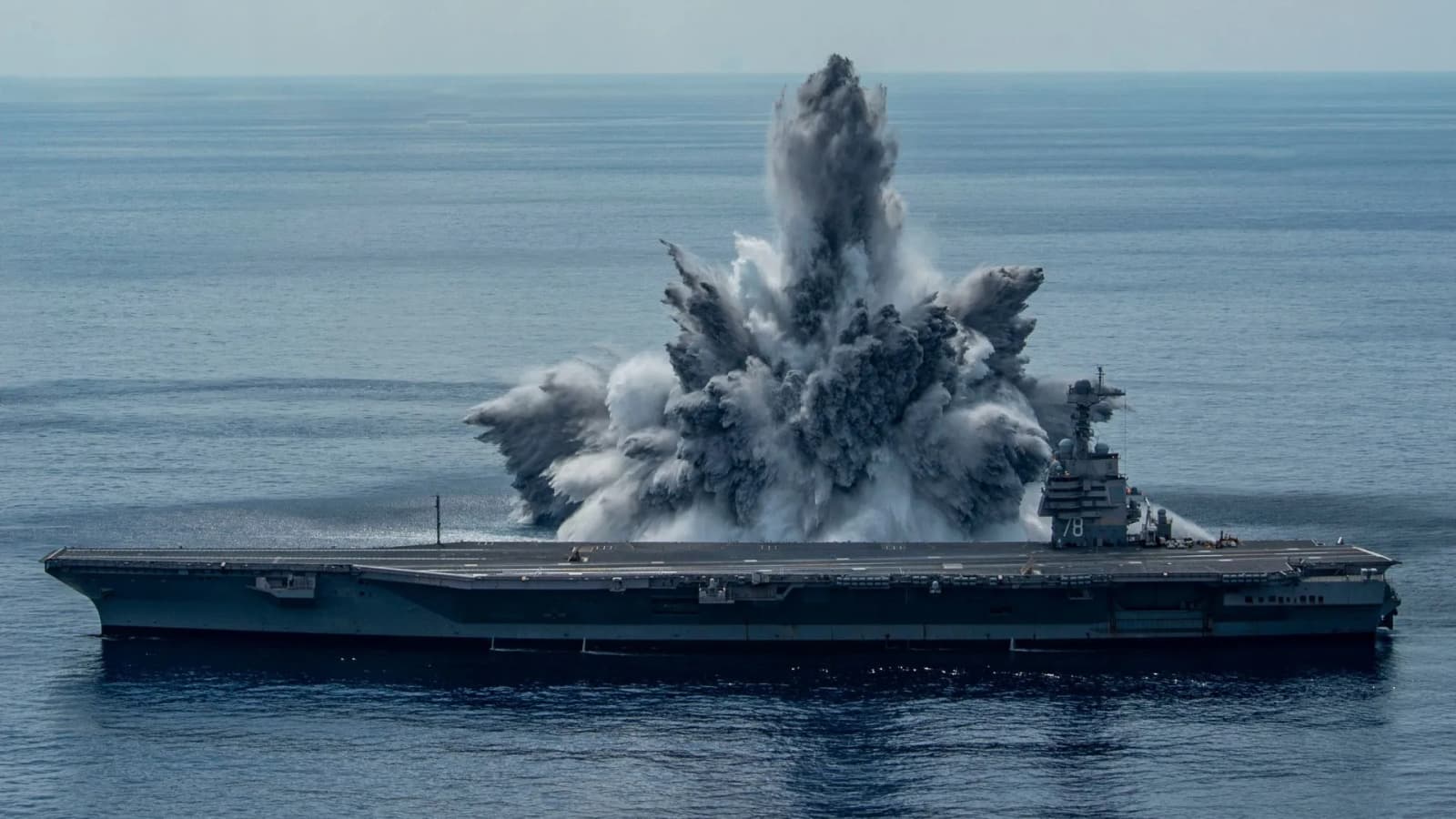
China appears to be building an aircraft carrier that could rival the US Navy’s largest warships in length. New satellite imagery also points to a growing logistics fleet designed to keep China’s future carrier groups supplied far from home.
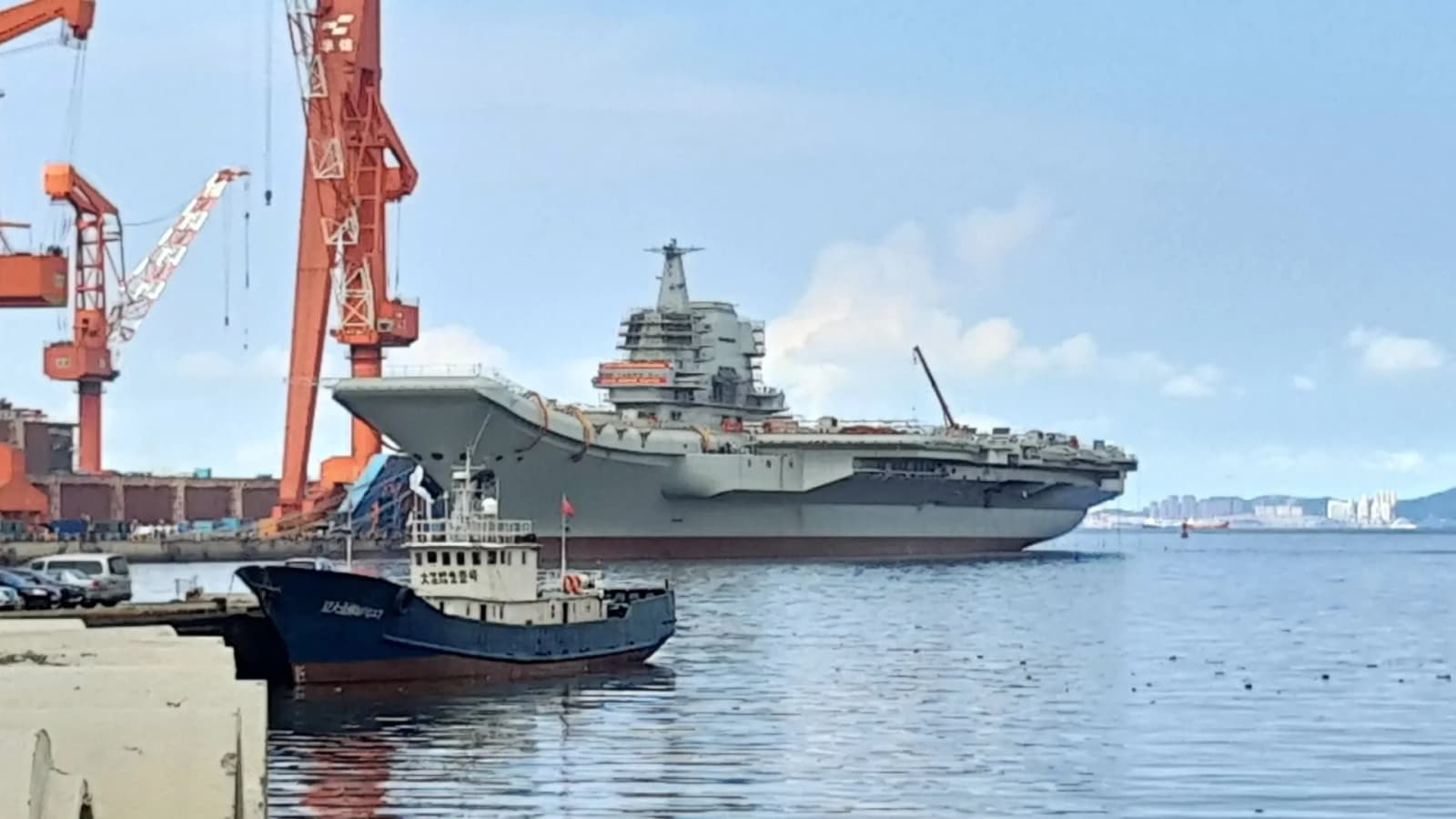
Imagery from September 4 shows work underway on the bulbous bow of the unidentified carrier at Dalian Shipyard. Measurements suggest the finished vessel could stretch between 336 and 339 meters.
That would put it close to the 333-meter USS Gerald R. Ford, according to Janes. At its projected maximum length, the Chinese carrier would slightly exceed the Ford by up to 6 meters. The ship would also exceed China’s Fujian by roughly 20 meters. Beijing has not confirmed the ship’s designation or specifications. Analysts generally refer to the vessel as the Type 004.
Larger carrier takes shape
The extra hull length could give China considerably more internal space. A larger ship can support additional aircraft and expand aviation fuel storage.
Lyle Goldstein, director of the Asia program at Defence Priorities, estimated a potential air wing of 75 to 90 aircraft. He compared that with roughly 50 to 60 aircraft for the Fujian.
The larger hull could also accommodate stronger defensive systems. However, another analyst familiar with China’s naval development cautioned against reading too much into the length increase. The propulsion system could prove more important. Janes has reported that the ship’s size supports earlier indications of nuclear propulsion.
Goldstein told South China Morning Post that nuclear power could represent a significant step in China’s carrier development. It could improve the ship’s endurance, speed and ability to sustain operations.
Nuclear propulsion would also free some space otherwise needed for conventional propulsion systems. That space could support additional aviation fuel or ammunition.
Logistics reveal bigger ambitions
A carrier’s range depends on more than its reactor or fuel tanks. Aircraft operations consume large amounts of fuel and ammunition. Escort ships also require regular replenishment during extended deployments.
China appears to be preparing for that challenge. Satellite imagery from July showed a large support ship under construction at the Comec Longxue shipyard near Guangzhou.
The vessel measures roughly 271 meters long and 37 meters wide. Workers launched it between July 9 and July 12. New imagery from September 15 appears to show another hull taking shape at the same shipyard. An open-source imagery analyst identified it as a second ship of the same design.
The support ships could become important assets for future carrier groups. The first vessel appears to be a larger version of China’s Type 901 fast replenishment ship.
Sustaining operations far offshore
China has fewer overseas military bases than the United States. That makes underway replenishment particularly important for extended naval deployments.
Goldstein said China has steadily expanded its replenishment fleet over many years. The navy also regularly trains to resupply ships at sea. Those capabilities could support carrier deployments across the wider Asia-Pacific. They could also extend operations toward the Indian Ocean.
The carrier’s eventual size alone does not determine its reach. Its aircraft, escorts, replenishment ships and propulsion system will collectively shape how long it can remain deployed.
Even a nuclear-powered carrier would still need frequent resupply during sustained combat operations. The emerging support fleet suggests China is preparing for precisely that challenge.
Related articles

Technology-facilitated trafficking: How Bangladeshi migrants become victims of recruitment in Cambodia
Thousands of Bangladeshis travelled to Cambodia for promised jobs, only to encounter Technology-facilitated trafficking and cyber-scamming networks, with 98 percent reportedly failing to receive the work they were promised.

China showcases Type 99B tank in live-fire drills after 2025 parade debut
China has released footage of live-fire drills of its Type 99B main battle tank roughly...

China fears US deployment of space weapons raises risks of fresh arms race: Report
The United States has publicly acknowledged that it has weapons deployed in orbit, marking a...

Lockheed Martin rolls out first F-35A stealth jet for Germany to replace aging Tornados
Germany has unveiled its first F-35A Lightning II as it prepares to field 35 fifth-generation...
US, allies can implement five ways to hold China’s aircraft carrier fleet at risk: Report
China has spent years building a force designed to keep U.S. aircraft carriers at risk...
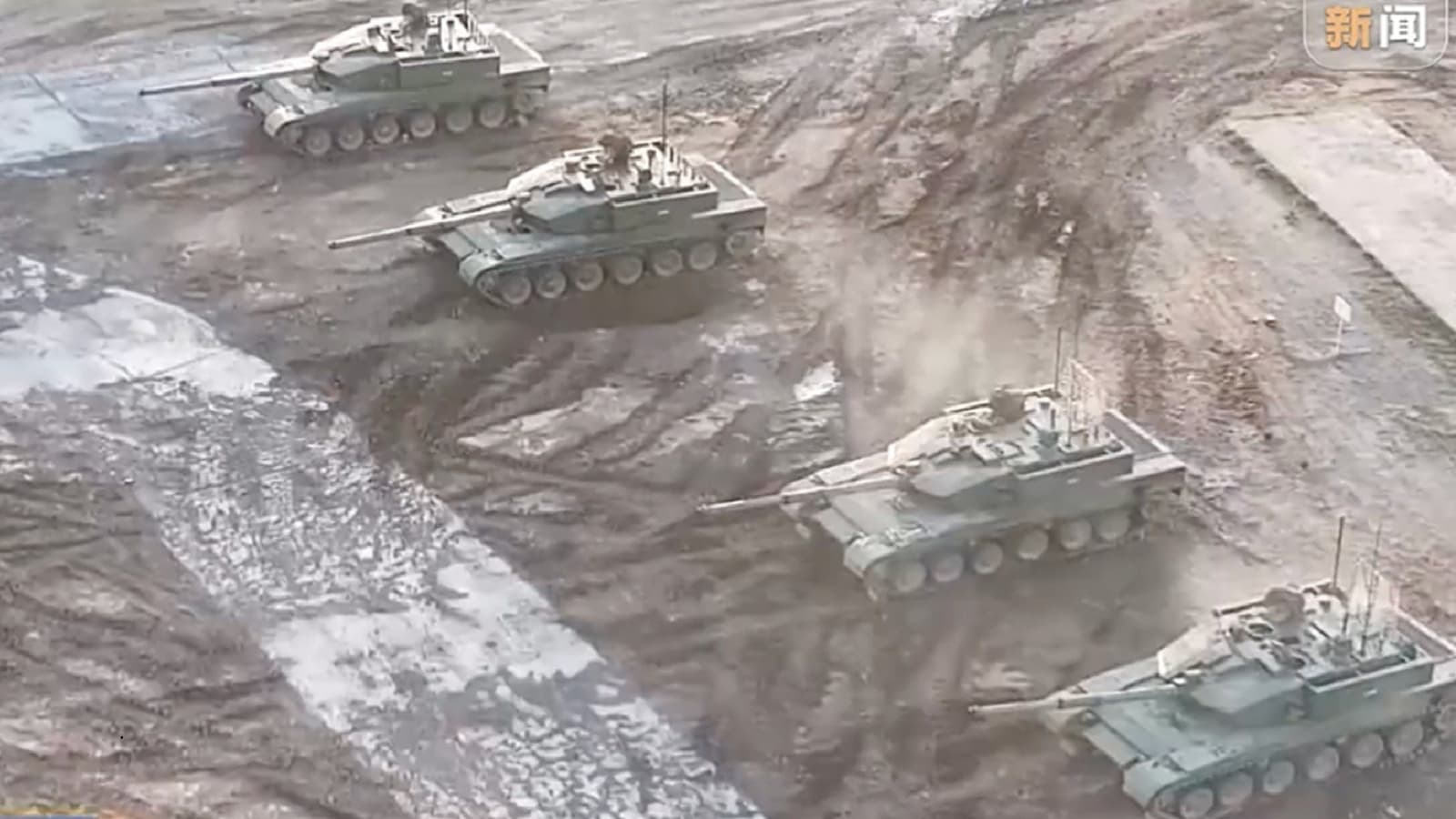
Rare footage reveals China’s Type 99B tank striking targets 4,000 feet downrange in combat test
China’s state broadcaster has released rare footage of Type 99B main battle tanks in live-fire...