MIT-founded startup aims to modernize US metal casting with 3D printing, software
Fabri, a startup founded by MIT alumni, is using 3D printing and software to skip...
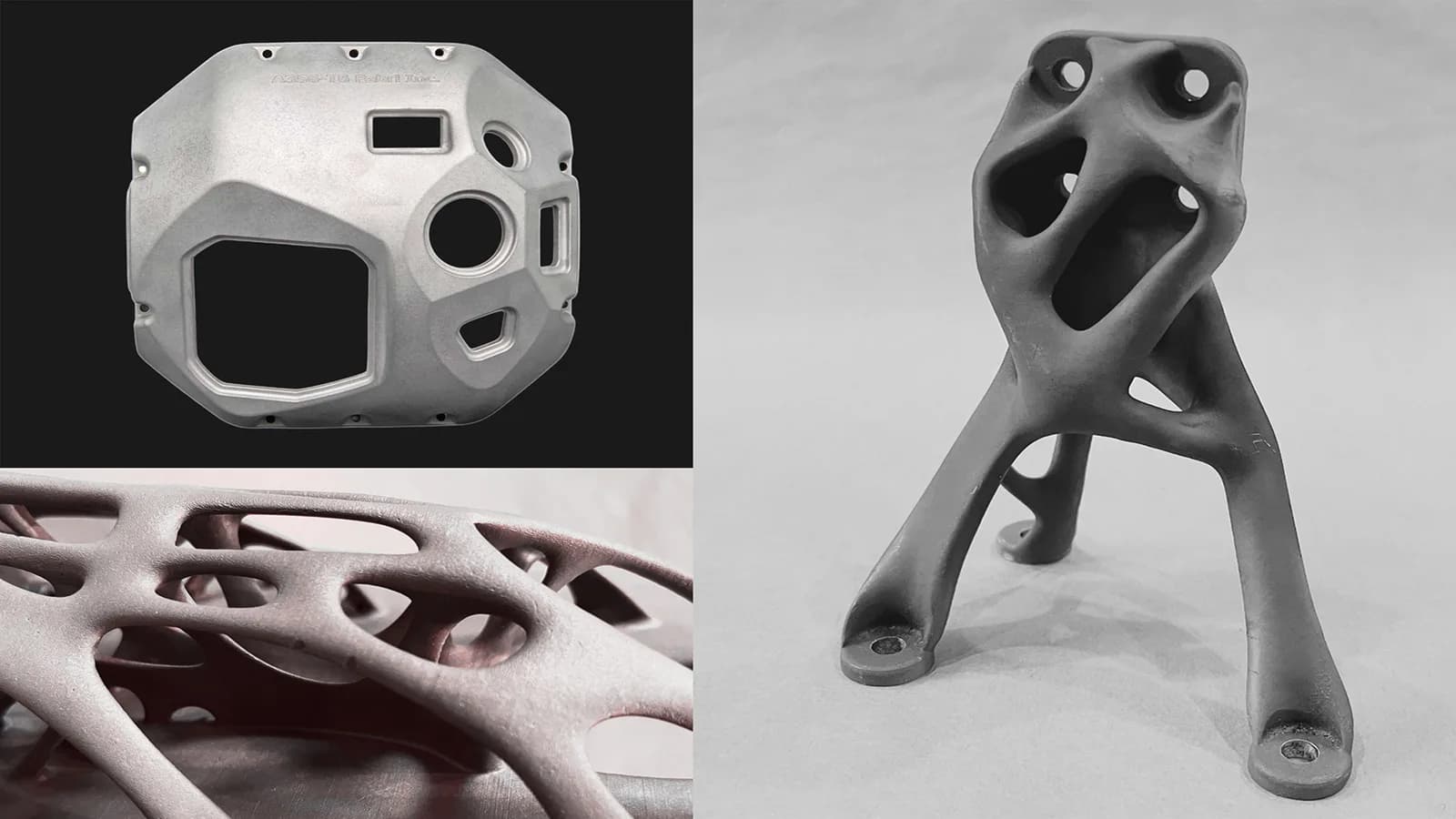
Fabri, a startup founded by MIT alumni, is using 3D printing and software to skip several of the slowest, most labor-intensive steps in metal casting, according to an MIT News feature.
Casting pours molten metal into a mold to harden into a part, and it supplies parts for jet engines and medical devices. The feature said more than 70% of US casting plants have closed since the industry peaked in the 1950s, while China and India now lead global production.
Fabri runs a 16,000-square-foot (about 1,500-square-meter) plant in Billerica, Massachusetts. It uses investment casting, a multistep method that builds a ceramic shell around a pattern, then pours metal into the shell. The feature said that Fabri works with customers including Raytheon and Lockheed Martin and is moving through qualification for aerospace and defense parts. Co-founder Steven Davis, who graduated in 2024, said casting takes deep expertise.
Printing the pattern instead of cutting a tool
Traditional investment casting starts with a hard tool cut from steel, Davis said in the MIT News feature. Wax patterns are injection molded in it, glued into a cluster called a tree and dipped in ceramic slurry and sand seven or eight times to form the mold. Davis said tooling for complex designs can cost upward of $1 million and take many months.
Fabri starts with a computer-aided design (CAD) file instead. Iits software, FoundryOS, designs a pattern for each part, which Fabri prints in resin using stereolithography, a method that cures liquid resin with light. The software also feeds data from each step into machine learning models meant to improve later castings.
Davis said the approach lets Fabri iterate on parts in days and go from design to finished part in as little as a week. Foundries “all have huge ‘Help Wanted’ signs out front,” he said, and he cited the American Foundry Society as reporting that workers retire at a 3-to-1 rate.
Early production and open questions
Fabri opened its first foundry in Ashland, Massachusetts, in 2025 and moved production to Billerica in spring 2026. Fabri’s first foundry was designed to be replicated. It casts aluminum, copper alloys and stainless steel for defense and aviation customers. The company plans to begin casting nickel superalloys in early 2027, the feature said. Those metals go into turbine blades, which can currently have four-year wait times, according to the feature.
Most claims come from Davis through the feature, which cites no independent test data. Qualification is under way, not finished, for critical aerospace and defense parts. The feature gives no production volumes, per-part prices or measured lead times beyond Davis’s estimates. His claim that the process makes shapes hard tooling can’t produce is also untested, and the retirement figure reaches readers secondhand through him.
Customer demand is pushing Fabri to build a larger plant in 2027 for bigger parts at higher volume as customer programs move into production, the feature said. The report appeared on MIT News on Nov. 10.
Source: https://interestingengineering.com/science/mit-alumni-startup-fabri-moves-toward-aerospace
Get the latest news delivered to your inbox.
Related articles