Neuralink wins FDA approval for first pivotal brain-computer implant trial in the US
Neuralink has received US Food and Drug Administration (FDA) approval to launch LINK, the first...
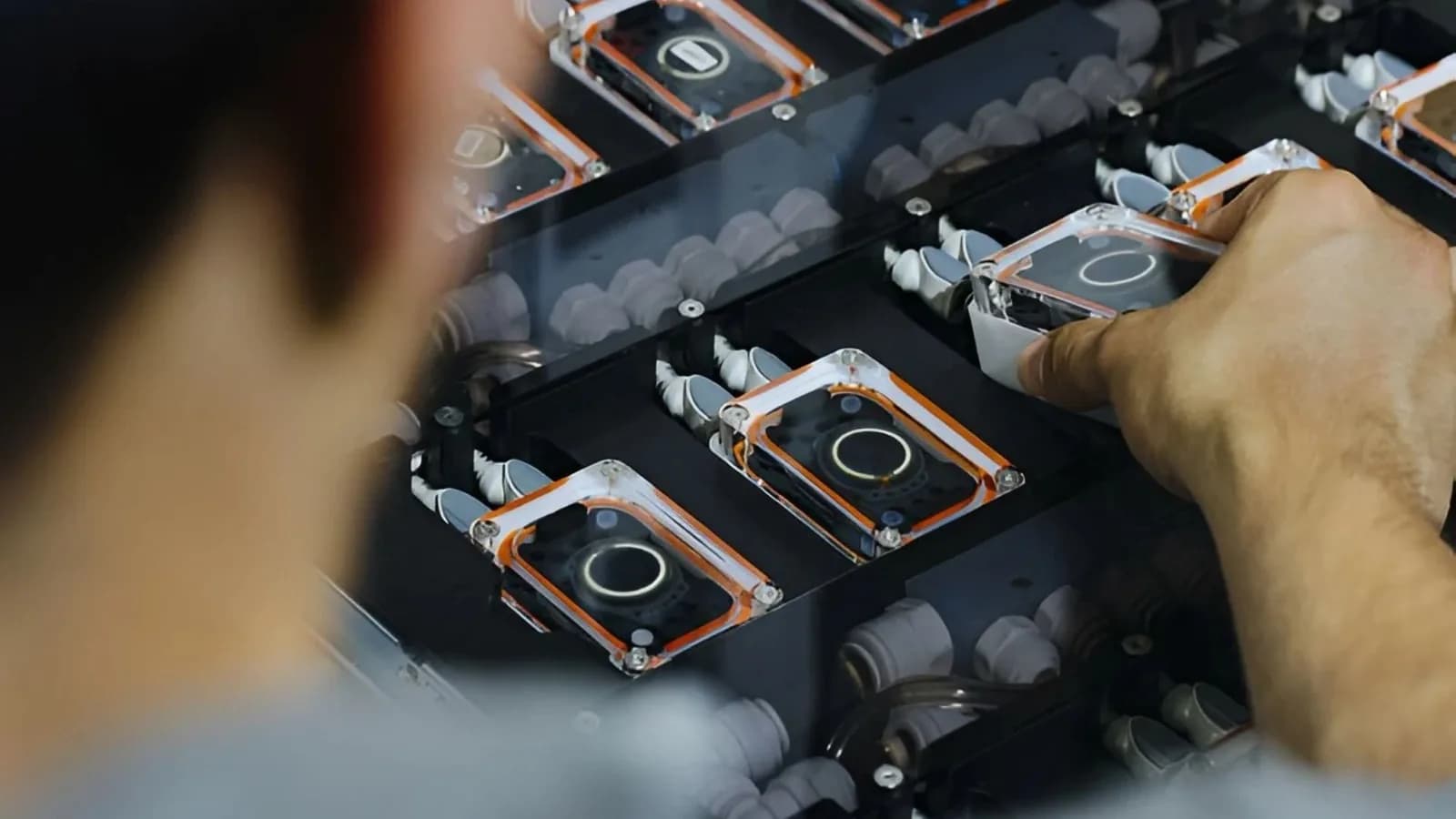
Neuralink has received US Food and Drug Administration (FDA) approval to launch LINK, the first pivotal clinical trial in the country for an implantable brain-computer interface (BCI). The study will evaluate the safety and effectiveness of the company’s technology in people with severe paralysis caused by amyotrophic lateral sclerosis (ALS).
Announcing the development on November 25, Neuralink said the trial builds on its ongoing early feasibility studies in the US, Canada and the UK, which have involved more than 30 implanted participants. Together, these participants have contributed thousands of hours of real-world use of the company’s brain-computer interface.
The LINK Pivotal Study will examine how effectively participants can use the Neuralink system to control digital devices through thought. The company said the research would focus on functional outcomes that could improve independence in everyday life, alongside the long-term safety and reliability of the implant.
Neuralink said enrolment for the study is now open, with the programme expected to expand across multiple clinical sites in the US.
Implant reads brain signals
The system being evaluated uses Neuralink’s N1 Implant, which records neural activity through fine electrode threads placed in the brain’s motor cortex, the region associated with movement.
The implant detects electrical signals associated with intended movements and translates them into commands that allow users to interact with digital devices. Participants can learn to move a computer cursor by imagining moving their hand, without physically moving their limbs.
Neuralink’s existing Telepathy programme has demonstrated cursor navigation and mouse functions, including left, right and middle clicks. Participants have also used the technology for activities such as messaging, browsing the internet, writing code, creating digital artwork and playing video games.
The implant is inserted using the company’s R1 surgical robot, which places the fine electrode threads into the brain. The N1 device sits within the skull, with no external wires or battery pack. It communicates wirelessly with a computer and can also be charged wirelessly through the scalp.
Neuralink’s clinical-trial information says participants undergo surgery under general anaesthesia. The company’s published study pathway includes health screening, brain imaging, implantation, device training and follow-up assessments.
Pivotal trial marks milestone
The new study represents a move beyond Neuralink’s earlier-stage human testing. Its PRIME programme was designed as an early feasibility study to evaluate the initial safety and functionality of the N1 Implant, R1 Robot and associated software in people with paralysis.
A pivotal trial is a later-stage clinical investigation intended to generate evidence about a medical device’s safety and effectiveness for a specific intended use. Such evidence can support a subsequent regulatory application, although successful completion does not guarantee marketing authorisation.
Importantly, the FDA’sapproval to launch LINK does not mean the Neuralink implant has been approved for general medical use. The company continues to describe its devices as investigational and available only through authorised clinical research.
Neuralink’s trial information identifies adults living with ALS as eligible for the pivotal study. Its published participation pathway also outlines follow-up assessments extending to 24 months after implantation, allowing researchers to monitor device performance and participant safety over time.
The company’s announcement did not disclose the planned number of participants or provide a detailed breakdown of clinical sites.
The milestone could bring Neuralinkcloser to establishing the clinical evidence needed for a future regulatory submission. However, the pivotal study will need to demonstrate that the implant can provide reliable digital-device control while maintaining an acceptable safety profile over an extended period.
Source: https://interestingengineering.com/health/neuralink-fda-approval-link-pivotal-brain-implant-trial
Get the latest news delivered to your inbox.
Related articles