SpaceX wins FCC approval for one million satellites to build data centers in space
SpaceX has received federal approval to pursue one of the largest satellite infrastructure projects ever...
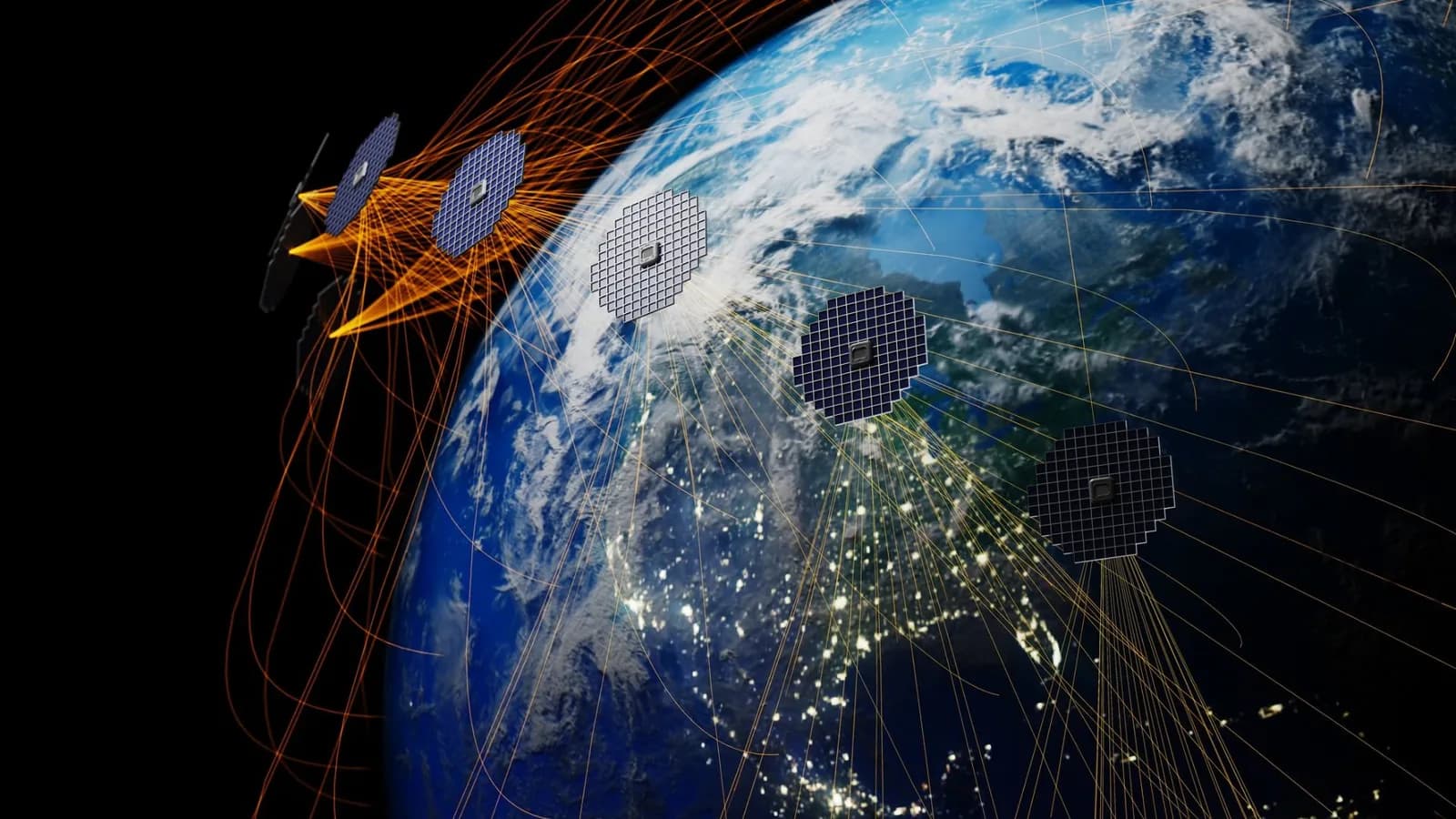
SpaceX has received federal approval to pursue one of the largest satellite infrastructure projects ever proposed. The Federal Communications Commission (FCC) has authorized Elon Musk’s company to deploy up to 1 million satellites under its Starmind orbital computing initiative. The network would move substantial computing workloads beyond Earth’s atmosphere as demand for advanced computing infrastructure continues to grow.
The authorization marks the first time the FCC has approved an entire constellation dedicated to space-based data centers. SpaceX wants to distribute computing hardware across orbit and use the resulting processing capacity to support applications on Earth.
How Starmind will process data
Starmind would operate as an interconnected network of orbital computing modules. Each satellite would process information in space before transmitting results back to Earth. The architecture would shift some computing workloads away from conventional terrestrial data centers.
SpaceX plans to connect the satellites through optical inter-satellite links. These laser-based connections would allow spacecraft to exchange information without depending entirely on ground stations. Radiofrequency communications would provide additional connectivity when necessary.
The FCC has also authorized backup radio links for telemetry, tracking, and command operations. These connections would help SpaceX monitor its satellites and maintain control during emergencies. The approval covers the 18.8–19.3 GHz downlink and 28.6–29.1 GHz uplink frequency bands.
Moving computing infrastructure into orbit could address several limitations facing terrestrial data centers. Large facilities require substantial electricity and sophisticated cooling infrastructure to handle demanding computing workloads. SpaceX argues that orbital facilities could harness solar energy more efficiently while reducing some of these requirements.
However, operating powerful computers in space introduces significant engineering challenges. Electronic hardware generates considerable heat during intensive processing. Satellites must dissipate that heat without conventional air-based cooling systems.
SpaceX must also demonstrate that it can manufacture, launch, and maintain such an enormous satellite network. The company’s developing Starship rocket could play an important role in making deployment economically viable.
Massive deployment challenge
The FCC’s authorization does not mean SpaceX can immediately deploy its entire proposed constellation. The company must meet several deployment milestones over the coming years.
SpaceX must place its first operational satellite in orbit by November 2033. The authorization requires 100,000 operational satellites by November 2035. The company must reach half its approved constellation by November 2038.
Full deployment must follow by November 2040. Even with regulatory approval, achieving those targets will require substantial advances in launch capacity and satellite manufacturing.
The FCC also left certain aspects of SpaceX’s proposal unresolved. The company must address additional regulatory requirements concerning satellite disposal. The agency will continue reviewing other orbital data center proposals through its established procedures.
SpaceX also announced Wednesday that it would contribute one newly issued Class A common share to every active Trump Account. These tax-advantaged investment accounts help American children build long-term savings.
SpaceX is building the infrastructure of the future and working to make life multiplanetary. We believe ownership of the company creating these systems should extend to the next generation of Americans.
Today, we are committing one SpaceX share to millions of American children…
— SpaceX (@SpaceX) November 25, 2026
Musk will personally match the number of shares contributed by SpaceX. The commitment fulfills a pledge he made on X in October 2026 to give one SpaceX share to every child in the United States. At the time, the proposed contribution covered approximately 73 million children and carried an estimated value of $10.7 billion.
SpaceX President and Chief Operating Officer Gwynne Shotwell separately announced a personal contribution exceeding 2 million company shares. The commitments extend the company’s ownership initiative to younger Americans as it pursues its ambitious plans across space transportation and orbital computing.
Source: https://interestingengineering.com/space/spacex-million-satellites-data-centers-fcc
Get the latest news delivered to your inbox.
Related articles