Stanford uses 7-Tesla MRI to build predictive model of human brain in new project
In a unique merger of neurology and artificial intelligence, Stanford University has launched a five-year...
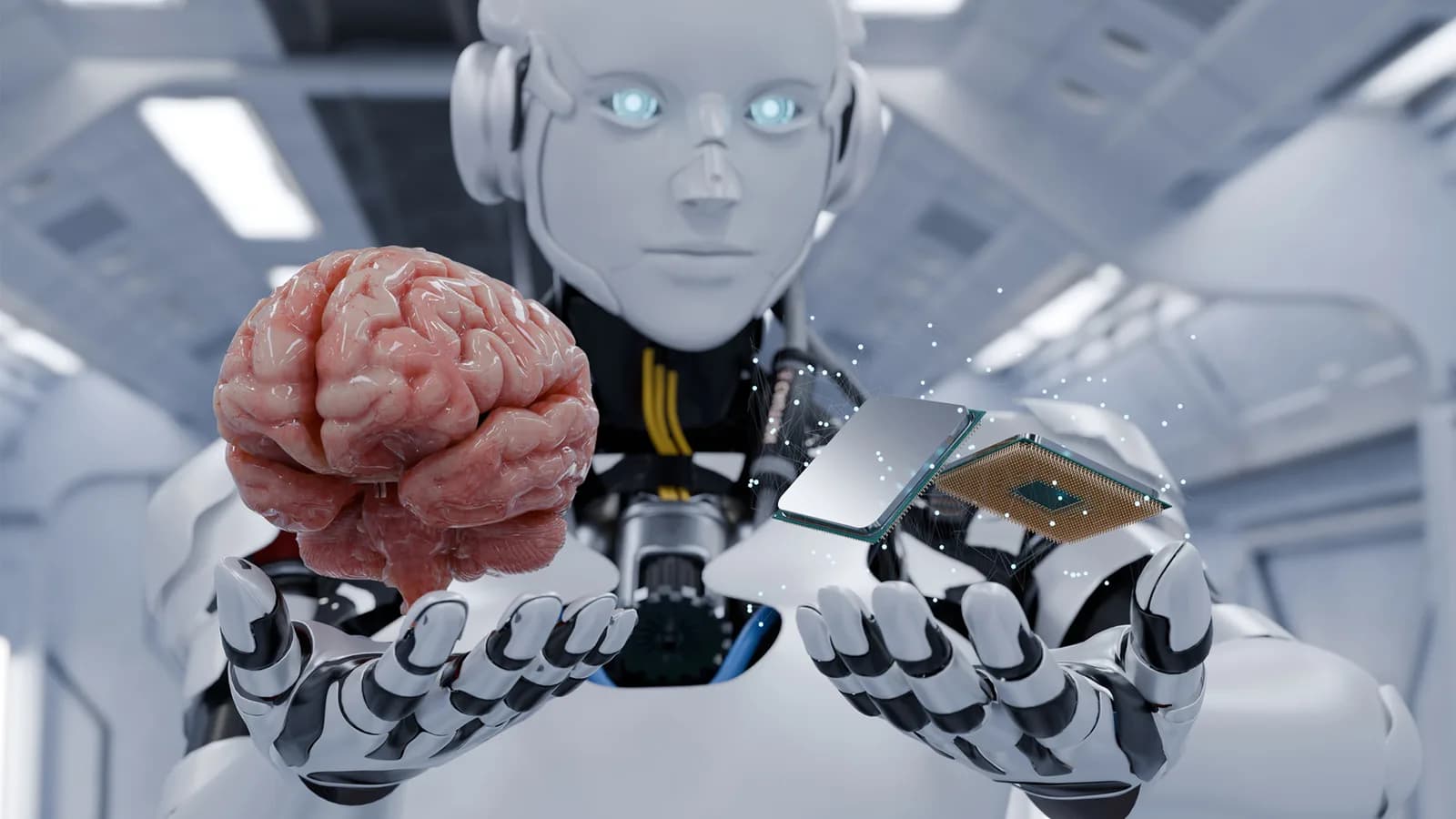
In a unique merger of neurology and artificial intelligence, Stanford University has launched a five-year effort called the Stanford Digital Brain Project. For the initiative, researchers have utilized a next-generation 7-Tesla MRI scanner in hopes of creating an AI foundation model of the human brain.
Using major philanthropic funds from technology investors, they aim to create comprehensive neuroimaging datasets that will train algorithms to predict how the brain functions and accelerate treatments for disorders such as depression and Parkinson’s disease through targeted brain stimulation.
Training foundation models on neuroimaging
Unlike large language models, which are generally trained on text, the Stanford Digital Brain Project will train its machine learning models on specially prepared neurological imaging data.
Researchers at the Wu Tsai Neurosciences Institute at Stanford will launch several experimental campaigns, in which they will document brain activity related to human vision, memory, language, movement, attention, perception, and social understanding. From this brain activity, they will extract wide statistical patterns so the system can generate outputs related to unprecedented brain activity prompts.For documentation, the team harnesses a next-generation 7-Tesla MRI scanner at the Lucas Center for Imaging, alongside a state-of-the-art portable OPM-MEG system. With these high-resolution tools and a wide database of videos viewed, described, and recalled, they can track exact spatial locations and timing of neural activity down to milliseconds.
Jonathan Polimeni, an associate professor in the radiology department at Stanford, noted that each system is among the most powerful brain imaging tools in the world and that combined they will produce an unparalleled view of brain activity. This data will then be processed via cutting-edge computational methods at Stanford’s high-powered Marlowe GPU computing cluster.
Simulating treatments for neurological disorders
After training, the AI models are effectively a digital observatory that uses generative modeling as a lens into human biology. Just like meteorologists use complex computer simulation models to create predictions of atmospheric conditions, medical researchers will apply this brain modeling system to verify their hypotheses virtually. Scientists can run thousands of simulations overnight to discover minor network dysfunctions that lead to medical disorders, testing concepts an order of magnitude faster than with conventional laboratory methods.
Brain models hold promise for treating conditions like major depressive disorder, which remains a leading cause of disability around the world. Brain imaging models are expected to diminish delays by determining which treatments would deliver the greatest help, guiding electrical stimulation to targeted areas of the brain to shift key neural circuits back into a healthy state.
“The best way to figure out how to fix a system – whether it’s a car, a heart, or the brain – is to build a detailed model that lets you compare what it looks like when it’s in working condition and when it’s not,” said Dan Yamins, an associate professor of psychology and computer science. He noted that Stanford possesses both the neuroscientific expertise and the necessary hardware computing power to carry out a fully operational digital brain.
Following their research, Stanford will make these systems and datasets available for free to researchers worldwide as an open science resource. This work will build on open-access platforms like OpenNeuro to accelerate the global pursuit of therapies for autism, Alzheimer’s disease, and related conditions.
Source: https://interestingengineering.com/ai-robotics/stanford-digital-brain-project-mri-machine-learnin
Get the latest news delivered to your inbox.
Related articles