US zinc mine could host Alaska’s largest solar farm with 15,000-plus panels
A remote zinc mine in northwest Alaska could host the state’s largest solar farm, with...
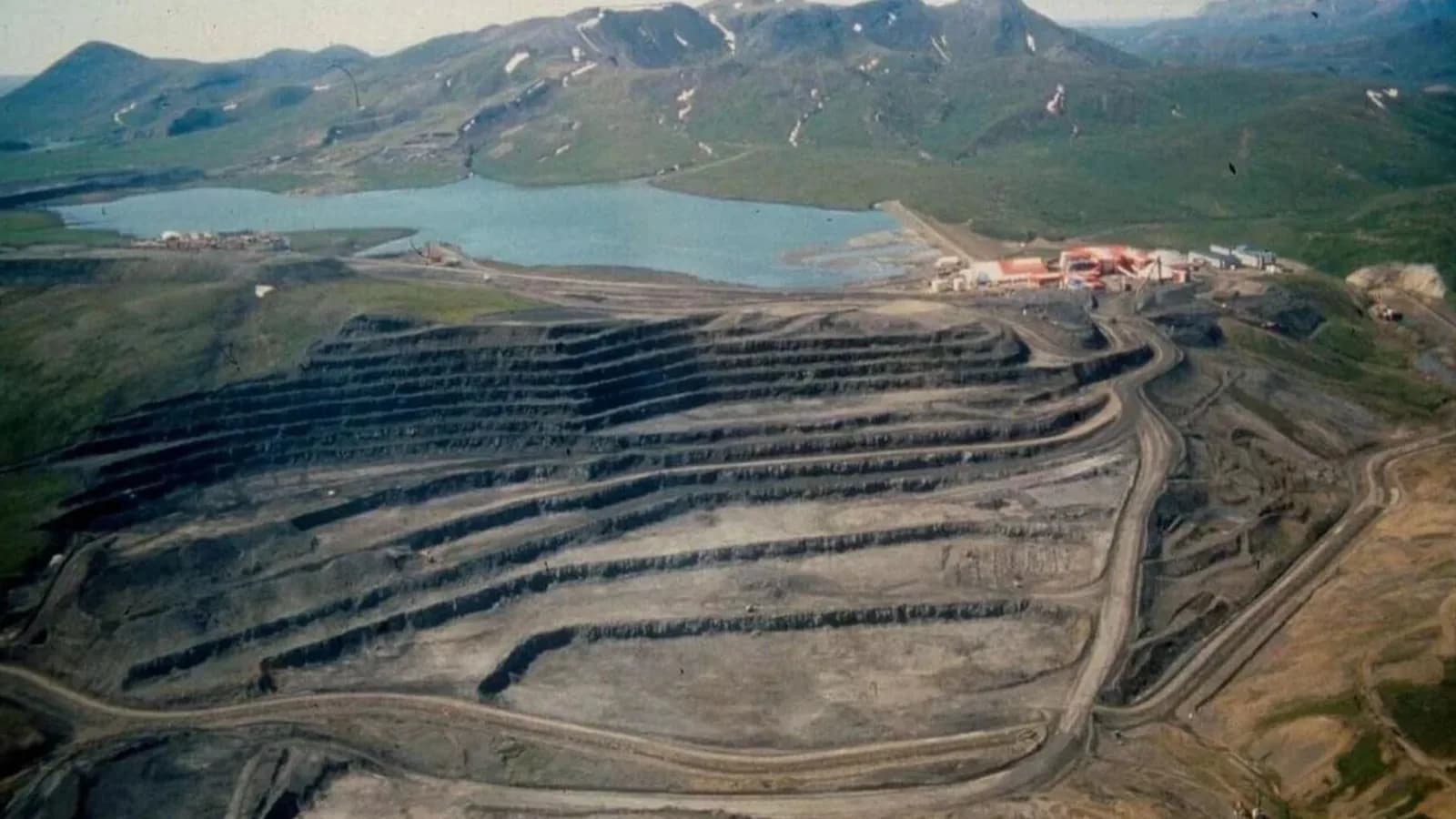
A remote zinc mine in northwest Alaska could host the state’s largest solar farm, with more than 15,000 panels spread across about 30 acres.
The Alaska Energy Authority (AEA) announced Tuesday that it would lend $4.9 million toward the $35 million project at Red Dog Mine, which relies on diesel shipped to its port near Kivalina.
The solar farm would have a peak output of 8.8 megawatts (MW), more than any solar farm currently operating in Alaska.
It is expected to be completed in late 2028 and would displace some of the diesel the mine burns to generate electricity. Plans filed with the state put the array’s footprint at about the size of 23 football fields.
A small share of a large power bill
Red Dog, one of the world’s largest zinc mines, typically draws about 25 MW of power, roughly seven times the city of Kotzebue’s peak demand.
Its eight diesel generators burn about 40,000 gallons of fuel a day, or nearly 15 million gallons a year, according to previously published figures from Teck.
The company’s Alaska subsidiary, which operates the mine, expects to spend $40 million to $45 million on energy this year.
AEA Executive Director Curtis Thayer estimates the solar farm would supply about 5% of the mine’s current power needs.
The 8.8-MW figure represents the array’s maximum output. The amount of electricity it can supply over time depends on how much sunlight reaches the panels.
“It’s nice to have renewables supporting a mining activity. It’s a balance,” Thayer said. “The one thing is it displaces diesel, and diesel is very expensive.”
Solar power for cleanup after closure
Red Dog is expected to close in 2031 unless Teck develops nearby deposits. Closing the mine would sharply reduce electricity demand.
Once mining stops, Thayer estimates the solar farm could meet about 90% of the site’s remaining power needs, most of which would come from cleanup work.
“There’s remediation that has to be done once the mine is closed, and so this will pay for that,” Thayer said.
A state loan for a privately operated array
The loan will go to Tugliq RedDog1, a subsidiary of Canadian energy company Tugliq. The subsidiary will build, own and operate the solar farm and sell the electricity to Teck.
Thayer said the loan carries a 5.5% interest rate, compared with a market rate of about 6.6%. He said he believes this is the first time the AEA’s Power Project Fund has lent money to support a mine.
The agency offers below-market financing to help make energy more affordable and reliable in Alaska. Thayer said the AEA expects the loan to be repaid even if Red Dog closes on schedule.
Teck has been looking at renewable power for Red Dog for several years. It installed a weather tower in 2024 to assess the site’s potential for wind power and first proposed the solar farm in March.
The original proposal called for construction to begin by June to qualify for federal tax credits that were set to expire in July.
Source: https://interestingengineering.com/innovation/zinc-mine-hosts-solar-farm
Get the latest news delivered to your inbox.
Related articles