
Video: US firm shows off humanlike five-finger hand ahead of new humanoid robot launch
Clone Robotics demonstrated a human-controlled robotic hand while announcing a November launch target for Torso...
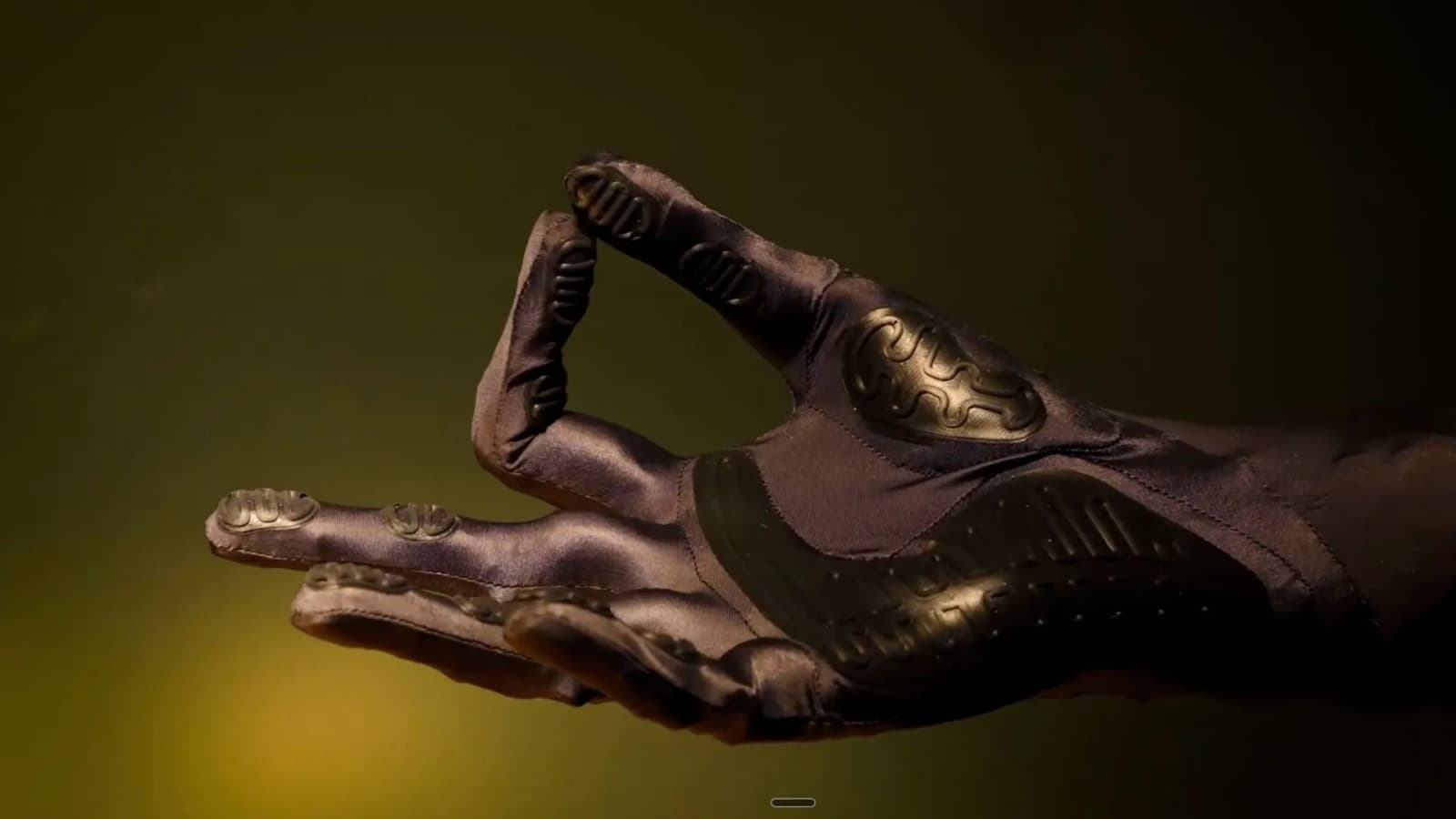
Clone Robotics demonstrated a human-controlled robotic hand while announcing a November launch target for Torso 4, its redesigned platform for stationary workplace tasks involving both arms.
The October 1 video shows the hand of Torso 3 operating through teleoperation, meaning a human controls its movements remotely. The demonstration features an older hand design rather than hardware from the forthcoming platform.
In a follow-up post, the company said the hand was built in April 2026 and was the last of its legacy designs. Since then, Clone says it has spent six months redesigning the entire system from the ground up.
Human-controlled hand shows older hardware
Clone explicitly labeled the footage “Teleoperation of the Hand of Torso 3.” That description establishes what the demonstration shows: a robotic hand operated remotely by a human.
The distinction matters because the video does not demonstrate autonomous operation. It also does not establish what the redesigned Torso 4 can do.
Clone’s approach follows human anatomy, using five fingers pulled by artificial muscles and tendons. The arrangement reflects the company’s pursuit of humanlike manipulation, although the latest clip concerns a hand built before its system overhaul.
The company said the redesign prioritizes making its hardware easier to simulate and control while aiming to retain human-level capabilities. However, this clip does not establish the redesigned system’s performance.
The footage therefore offers a look at the company’s earlier hand hardware, while the accompanying posts outline the direction of its next platform.
Teleoperation of the Hand of Torso 3. pic.twitter.com/ebN3c589VQ
— Clone (@clonerobotics) October 1, 2026
Torso 4 targets two-arm workplace tasks
The six-month overhaul culminates in Torso 4, which Clone revealed is scheduled to launch in November.
Its stated goal is to automate stationary bimanual tasks for enterprises. These are activities performed in one place using both arms, giving the forthcoming platform a specific commercial focus.
The announcement moves beyond demonstrating an individual hand to outlining how the redesigned torso could be used at work. However, it does not identify specific tasks that Torso 4 has successfully completed or explain how much human assistance it requires.
Clone’s ambition to automate stationary two-arm work remains a product goal. The Torso 3 footage shows the company’s earlier hardware, but it cannot serve as evidence of the successor’s performance in the workplace.
Different hand designs share a control priority
The update also offers a comparison with Boston Dynamics’ new four-finger hands for Atlas.
While Clone has pursued a hand modeled on human anatomy, Boston Dynamics omitted a fifth finger to limit cost, size, and potential failure points. The two designs reflect different approaches to building robotic hands for useful manipulation.
Despite that difference, both companies emphasize making their hardware easier to simulate and control. For Clone, those priorities are central to the redesign described in its latest posts.
The November launch should offer a clearer basis for evaluating Torso 4.
Details about demonstrated tasks, autonomous operation, and the need for human intervention would help establish how closely the platform matches its stated enterprise ambitions.
For now, Clone has shared a teleoperated demonstration of a legacy Torso 3 hand alongside a launch target for its redesigned successor.
Related articles

New center bids to supercharge nuclear isotope production for deep-space missions
Canada is moving to expand its role in supplying nuclear isotopes that could power spacecraft...
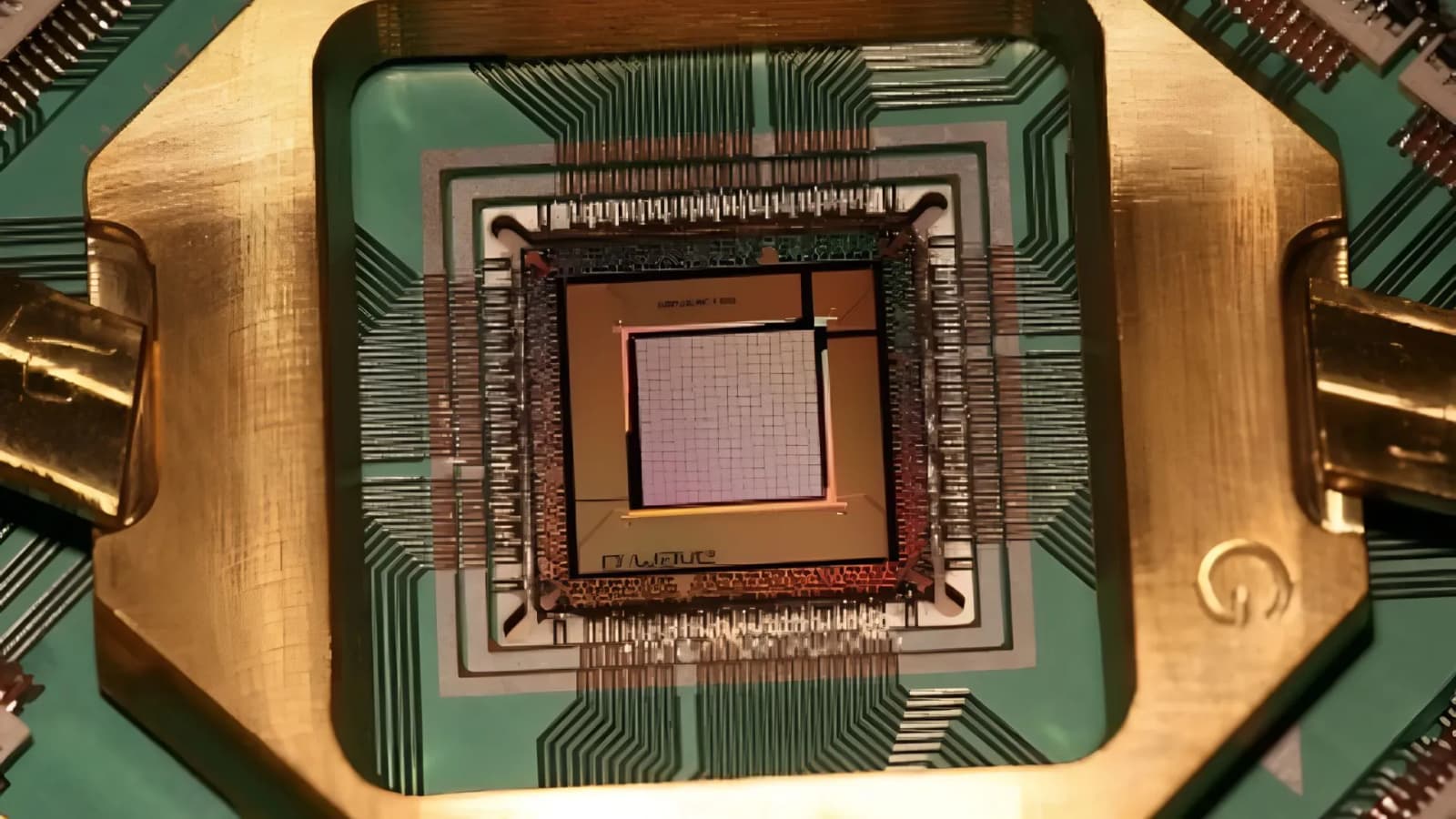
Schneider tests quantum chip that improves home energy forecasting by up to 41%
Australian government-backed Silicon Quantum Computing (SQC), whose investors include telecom giant Telstra and Commonwealth Bank,...

Digital twin tech from US, Korea could predict toxic ammonia leaks on new ships
The US, South Korea and Germany have recently joined forces in order to develop a...
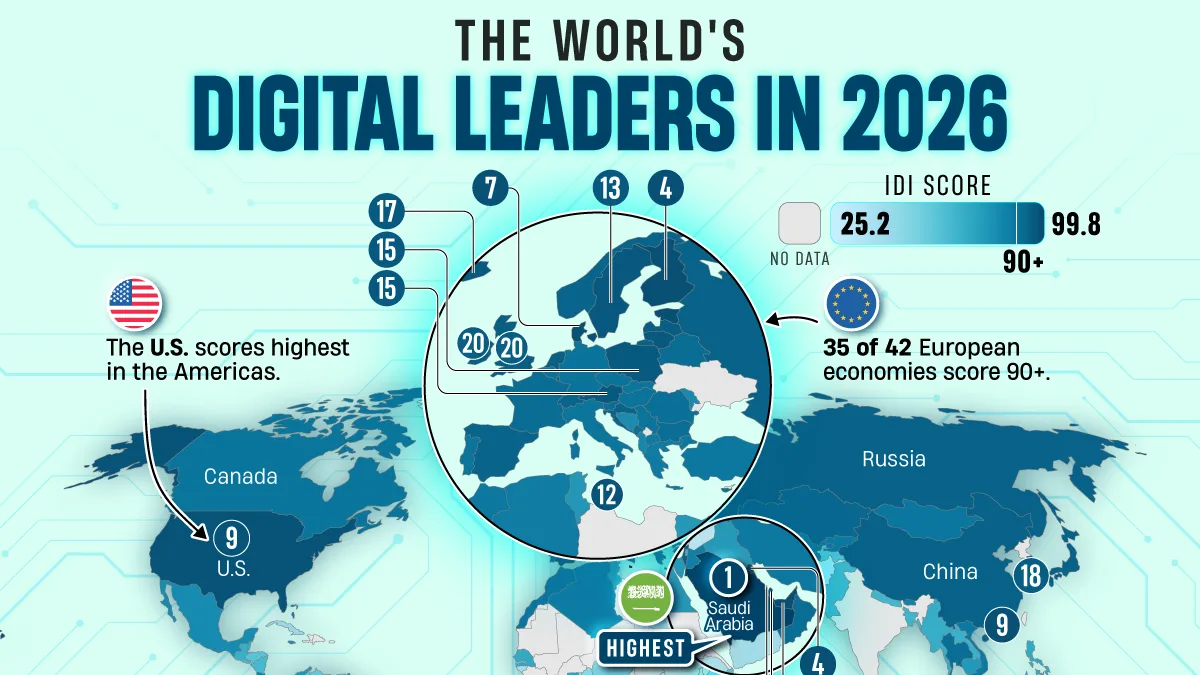
Mapped: The World’s Digital Leaders in 2026
Which economies are the most digitally connected? See how 159 economies rank in the ITU’s 2026 ICT Development Index.

Breaking up (with Elon Musk) is hard to do
In a throwback to MySpace-style internet drama, Shivon Zilis announced that she and the father of four of her children, Elon Musk, had broken up on X.

OpenAI’s Dot agent is enterprise software that can also order your dinner
It's a tale as old as last week: OpenAI's new agent platform, called Dots, is full of cute little guys who can do your bidding.