Zero-electricity wind sprayer cools solar panels by 48°F and boosts output 18.6%
Researchers in Iran have built an off-grid cooling and cleaning system for solar panels that...
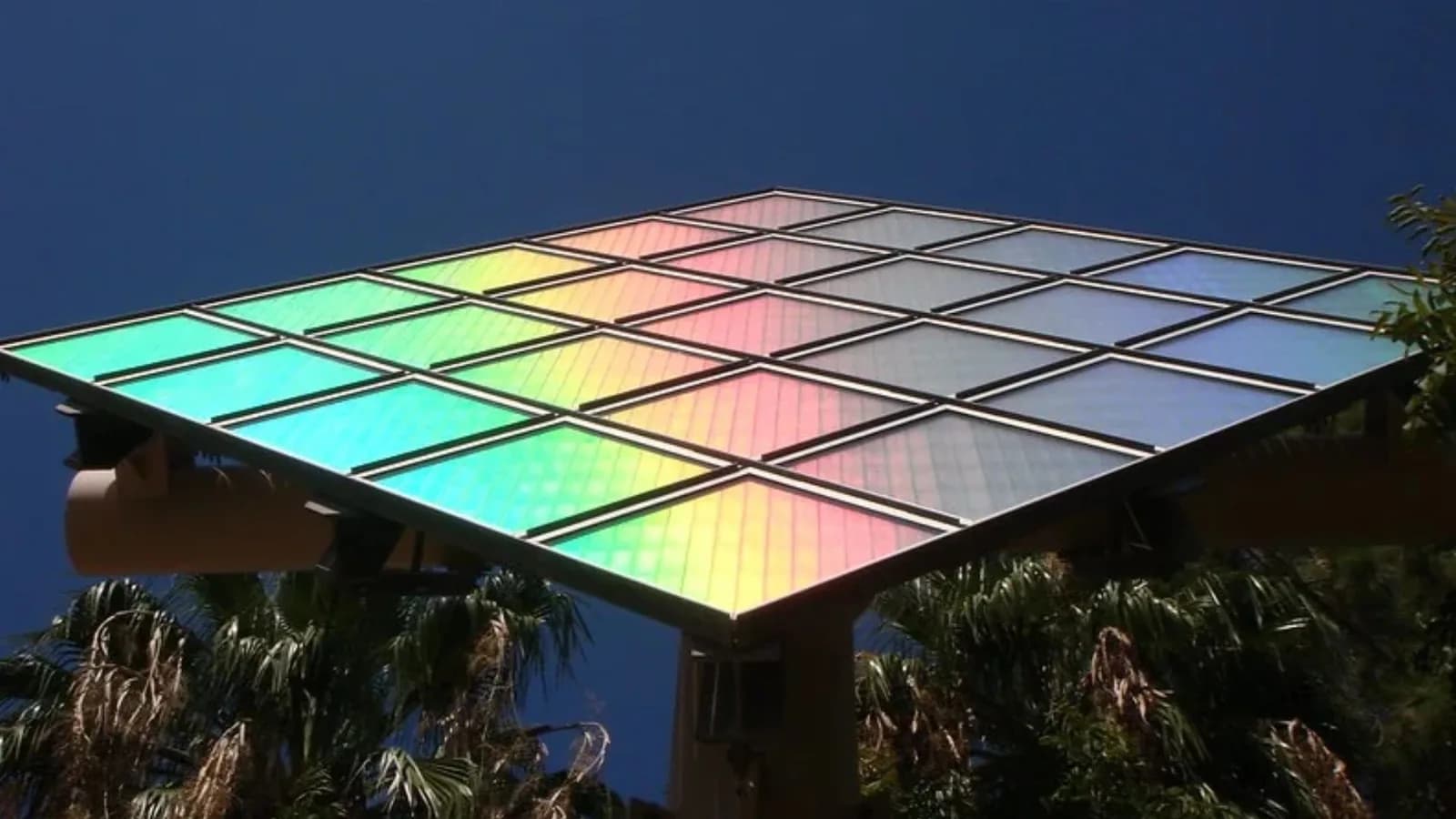
Researchers in Iran have built an off-grid cooling and cleaning system for solar panels that uses a small vertical-axis wind turbine mechanically coupled to a water pump, cutting module temperatures by up to 48 degrees Fahrenheit (26.7 degrees Celsius) and lifting peak electrical output by 18.6 percent during rooftop tests.
Because the turbine drives the pump directly via a belt rather than generating electricity first, the setup consumes zero power from the solar array or the utility grid, addressing a major efficiency drawback of conventional active cooling systems.
Direct mechanical drive from repurposed hardware
In a study published in Results in Engineering, scientists from Shahid Chamran University of Ahvaz and Iran’s Technical and Vocational University (TVU) detailed how they constructed the prototype from low-cost, readily available materials. The Savonius-style vertical-axis wind turbine was assembled using two secondhand bicycle rims, a central connecting rod, and a metal support frame.
For the rotor blades, the team sliced 110-millimeter PVC pipes lengthwise into 27.5-inch (70-centimeter) half-pipe sections and sealed the ends. A drive belt transfers rotational torque from the turbine shaft straight to a mechanical pump, which draws water from a storage reservoir and feeds a spray nozzle aimed across the front glass of the photovoltaic (PV) module.
According to PV Magazine, the pump starts operating at wind speeds around 2.2 miles per hour (1 meter per second) and continues running at even lower speeds once inertia is established.
Eliminating electric motors, batteries, inverters, and charge controllers avoids parasitic electrical loads that typically eat into the net energy gains of active water-spray cooling setups. At the same time, the water mist serves a dual purpose by rinsing away settled dust and particulate matter. This is a persistent problem in arid, high-irradiance regions where soiling and heat simultaneously degrade solar generation.
Rooftop testing and economic performance
To evaluate real-world performance, the team installed two identical 60-watt polycrystalline silicon panels, each measuring roughly 27.5 by 27.5 inches (70 by 70 centimeters), on a rooftop in Farrokhshahr, Iran.
One panel operated with the wind-driven spray mechanism while the second served as an uncooled control unit during a May-to-June field campaign, with researchers logging electrical output, cell temperature, solar irradiance, wind speed, and water usage from 7 a.m. to 6 p.m. daily.
Most commercial silicon solar cells lose roughly 0.3 to 0.5 percent of their power output for every degree Celsius rise above 77 degrees Fahrenheit (25 degrees Celsius), meaning afternoon heatwaves can substantially depress yield even under clear skies. During peak midday radiation and moderate-to-high winds, the evaporative spray reduced cell temperatures by up to 48 degrees Fahrenheit (26.7 degrees Celsius), an approximate 36 to 37 percent drop compared with the dry control panel.
That thermal relief pushed peak power output from 50.1 watts to 59.42 watts, an 18.6 percent gain, while low-irradiance output rose by up to 25 percent. Average daily energy efficiency climbed from 10.37 percent to 11.47 percent, representing a 10.6 percent relative improvement, while annual energy production was projected to rise by 13.7 percent.
In their multi-dimensional economic and environmental assessment, the researchers estimated that adding the mechanism increases initial and maintenance costs by less than 2 percent while reducing the levelized cost of energy by 11.4 percent and boosting net present value by 29 percent.
While scaling the design to utility-scale solar farms will require managing water consumption and nozzle maintenance in desert climates, the prototype demonstrates a practical passive-mechanical pathway for boosting rooftop PV efficiency without electrical overhead.
Source: https://interestingengineering.com/energy/wind-driven-spray-system-cools-cleans-solar-panels
Get the latest news delivered to your inbox.
Related articles