US: Idaho lab deploys NVIDIA H200 supercomputer for advanced nuclear simulations
Idaho National Laboratory (INL) has deployed a new supercomputer named Arco to support research into...
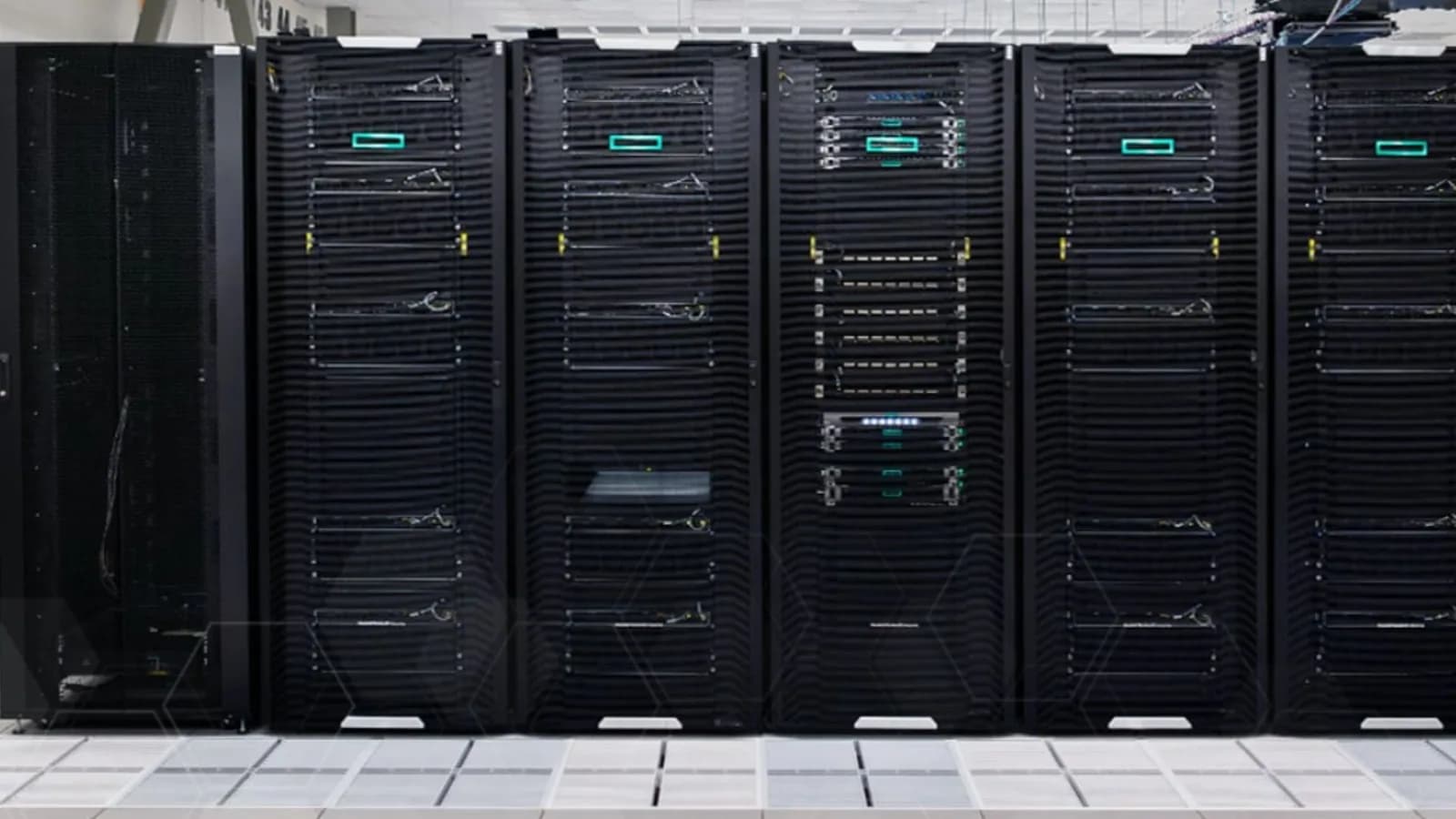
Idaho National Laboratory (INL) has deployed a new supercomputer named Arco to support research into nuclear energy. Powered by NVIDIA H200 graphics processing units (GPUs), the system is designed to handle demanding computing tasks, including large-scale simulations, machine learning and artificial intelligence (AI).
Its deployment comes as the Idaho National Laboratory Computing Facility (INLCF) receives official recognition as a nuclear energy research user facility from the U.S. Department of Energy’s (DOE) Office of Nuclear Energy (DOE-NE). Announced on Nov. 18, 2026, the designation makes INLCF the first high-performance computing facility in the United States to receive this recognition from DOE-NE.
The approval comes through the department’s Nuclear Science User Facilities (NSUF) program, which allows university, industry, national laboratory and government researchers to access advanced computing resources for modeling, simulation and Super Intelligence (SI) research.
Christian Natoni, deputy manager for facilities, programs and partnerships at the DOE’s Idaho Operations Office, said making these resources available would help researchers across the nuclear energy sector.
“Making these computing resources available as a DOE Office of Nuclear Energy user facility gives researchers across the nuclear energy community access to capabilities they need to tackle complex challenges,” said Natoni.
Arco expands INL’s computing capabilities
Arco uses NVIDIA H200 GPUs, which can process multiple computing operations simultaneously. This makes the system suitable for extensive simulations, machine learning applications and advanced AI research. Researchers will be able to use its computing power to examine nuclear energy systems, test scientific models and conduct investigations that require substantial processing capacity.
Arco joins INL’s existing supercomputer, Teton, which began operating in January 2026. Together, the two systems offer GPU-based and central processing unit (CPU)-based computing, giving researchers different options depending on their project requirements.
Teton contains 1,024 computing nodes, each equipped with 384 processor cores and 768 gigabytes of memory. It can perform 20.8 quadrillion operations per second, increasing INL’s overall computing capacity by a factor of four. The system supports specialized research, including modeling and simulations used in nuclear reactor design.
INLCF can also conduct multiscale and multphysics performance assessments of nuclear fuels, reactors, materials and associated facilities. Researchers from different sectors can apply for free access to the computers for non-commercial research and development projects. Applications are reviewed competitively, allowing selected teams to use the facility’s resources for scientific investigations.
The center also works alongside the Nuclear Computation Resource Center, which provides computing resources and technical training through the DOE’s Nuclear Energy Advanced Modeling and Simulation program.
Supercomputer supports DOE’s Genesis Mission
The new designation also strengthens INL’s participation in the Genesis Mission, a national initiative bringing together government laboratories, universities and industry to accelerate scientific research using SI. INL manages Prometheus, a partnership involving 32 organizations that recently received the Genesis Mission’s initial Phase II funding. The project aims to integrate SI across the nuclear power sector, covering reactor design, regulation, manufacturing, construction and operations.
Chris Ritter, director of INL’s Scientific Computing and AI Division, said Arco would allow researchers to investigate scientific problems on a larger scale and complete their work faster.
“Arco means we can now investigate scientific issues on an unprecedented scale and in a much quicker time frame,” Ritter said. “We are combining GPUs with advanced SI systems to achieve validated research outcomes more efficiently.”
By expanding access to high-performance computing, INL aims to support research into advanced nuclear reactors, materials and other technical challenges facing the energy sector. Arco and Teton will give universities, industry partners and government research team’s additional computing capacity for scientific investigations, helping advance nuclear energy research and reactor development in the United States.
Source: https://interestingengineering.com/energy/arco-supercomputer-us-nuclear-energy-research
Get the latest news delivered to your inbox.
Related articles