
100-megawatt solar launch sets stage for 100% carbon-free Ford vehicles in Michigan
Every time a new Ford truck rolls off a Michigan assembly line by the end...
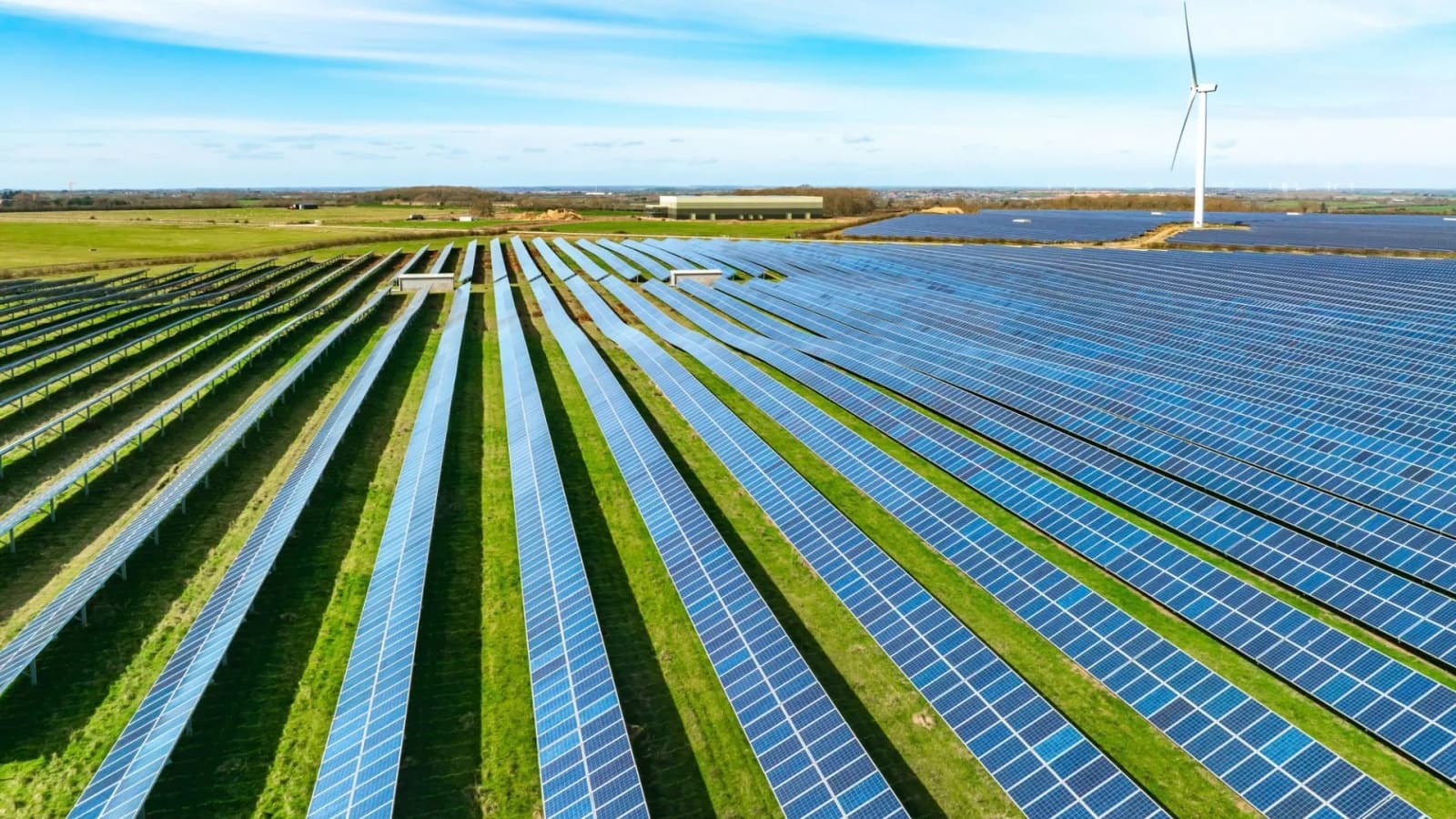
Every time a new Ford truck rolls off a Michigan assembly line by the end of 2027, it will have been built entirely on sunshine and wind.
U.S. firm DTE Energy officially completed construction of the Cold Creek Solar Park, a massive 100-megawatt facility near Coldwater.
The park is a project funded through Ford Motor Company’s commitment to purchase up to 650 megawatts of clean power. This partnership ensures that by the end of 2027, every Ford vehicle built in Michigan will be manufactured using 100% carbon-free electricity.
Major funding
Cold Creek is part of a broader solar boom in Michigan. Capable of generating enough clean power to supply roughly 23,000 to 25,000 homes across the state, the new solar facility is a major milestone in driving local clean power production.
Ford Motor Company is funding the $194 million Cold Creek Solar Park through its enrollment in DTE’s voluntary CleanVision MIGreenPower program. Through this partnership, Ford committed to purchasing up to 650 megawatts of renewable power.
This initiative enables both major corporations and residents to connect their electricity consumption directly to Michigan-based renewable energy sources.
For Michigan, the benefits extend well beyond the factory floor.
Projects like Cold Creek bring tax revenue into rural host communities, create local jobs, and shore up grid resiliency for the surrounding neighborhoods. As automakers pivot toward electric vehicles, ensuring the factories themselves run on clean energy solves a part of the decarbonization puzzle.
This initiative is a key step toward reaching full carbon neutrality across its vehicles, factories, and supply chain no later than 2050.
“Cold Creek Solar Park represents more than a new renewable energy project. It reflects what’s possible when customers and energy providers work together to accelerate Michigan’s clean energy future,” said Matt Paul, president and chief operating officer, DTE Electric. “Through MIGreenPower, we’re helping companies like Ford achieve their sustainability goals while building the renewable energy infrastructure that will power generations to come.”
Ford’s clean energy goal
The target timeline has slipped. Although Ford and DTE originally aimed for a 2025 launch when signing the agreement in August 2022, neither company explained the shift of the deadline to 2027.
According to EPA estimates, Ford’s participation in the MIGreenPower program will offset up to 600,000 tons of carbon dioxide emissions annually once fully implemented.
Ford’s Michigan electricity purchase advances the company’s broader effort to transition all global manufacturing facilities to 100% carbon-free power by 2035.
A 75-megawatt battery energy storage system is scheduled to come online at the Cold Creek site. This addition will allow the park to store excess solar power generated during peak daylight hours and dispatch it to the grid during evening peak demand.
Running assembly plants on solar power directly supports Ford’s effort to reduce lifecycle emissions across its entire vehicle lineup. This approach lowers the total carbon footprint of traditional gas vehicles and electric models like the F-150 Lightning and Mustang Mach-E.
With Cold Creek now online, DTE’s clean energy portfolio expands to 20 wind parks and 36 solar parks across the state — enough capacity to power roughly one million homes.
Related articles
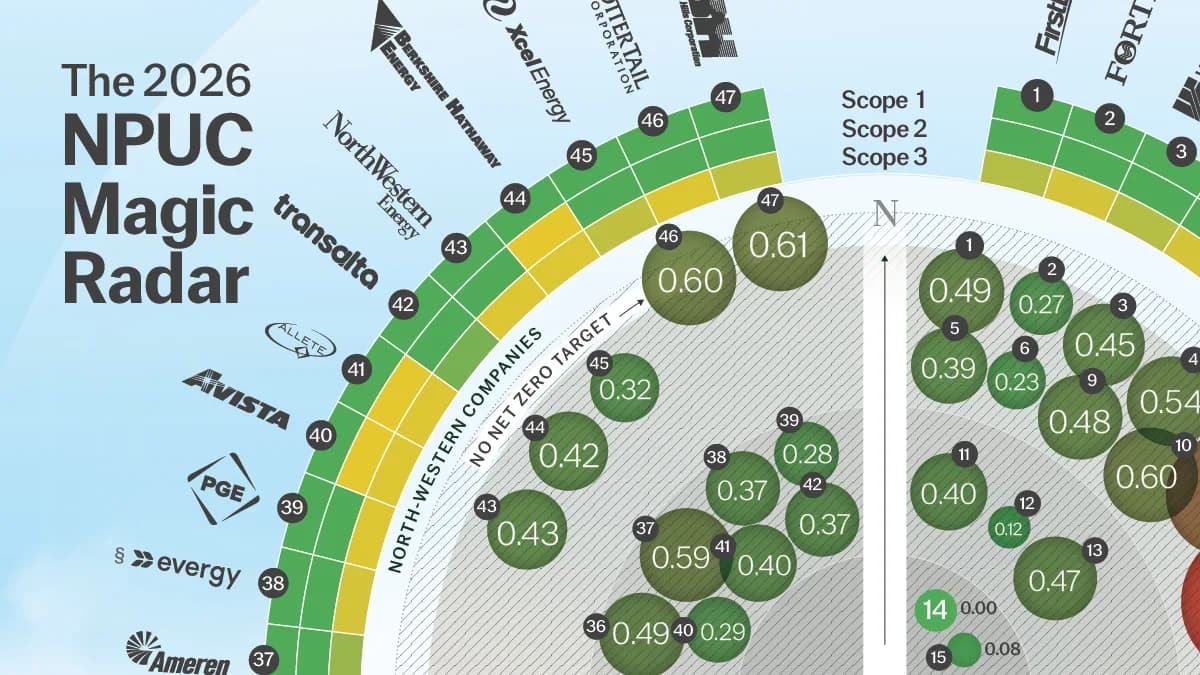
Magic Radar 2026: How Do U.S. Utilities Compare on Decarbonization?
See how U.S. carbon offsets break down by project type in 2026, from forestry to methane, refrigerants, and wind.
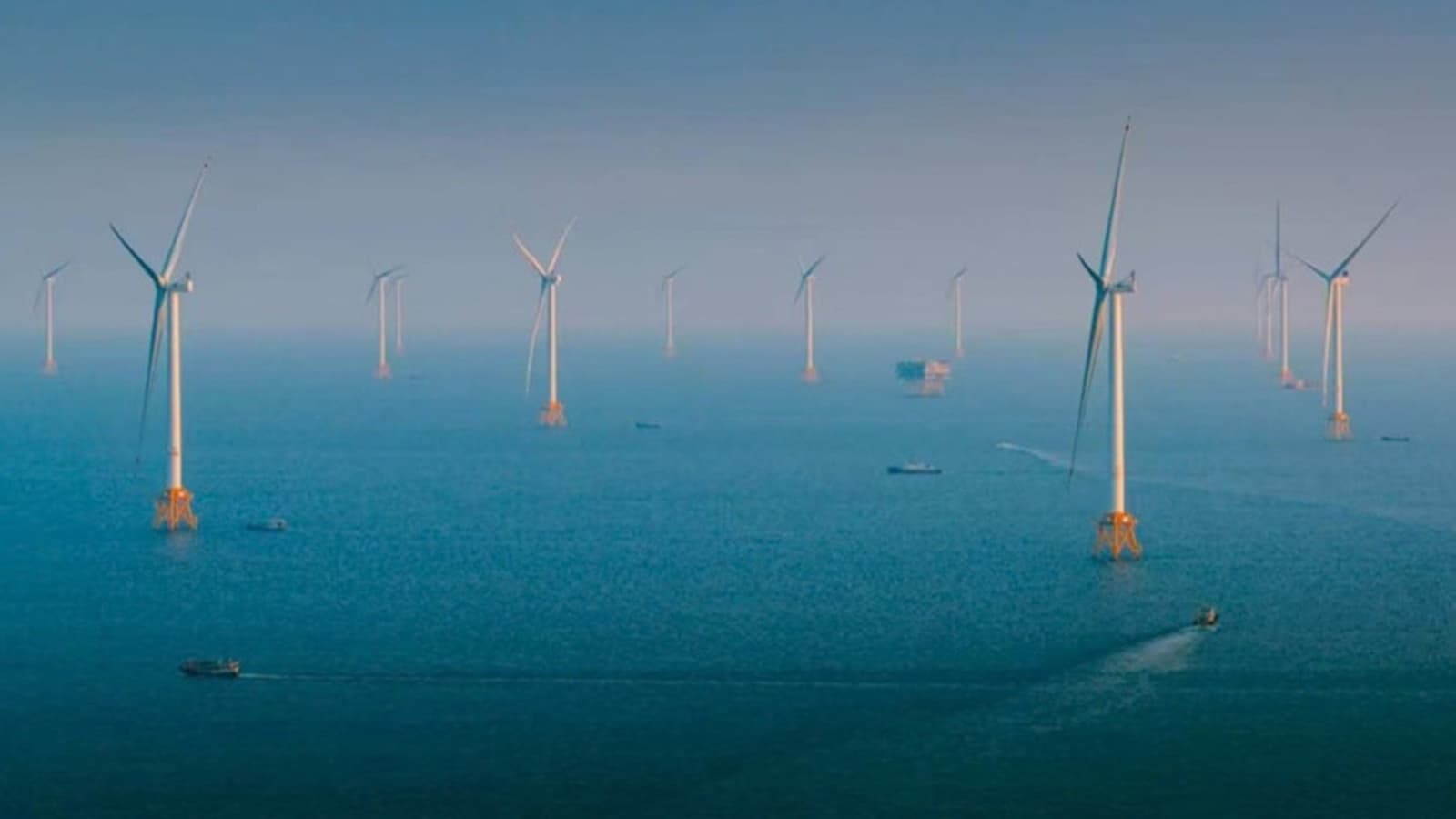
With 33 18-MW-class turbines, China’s largest wind farm promises 6.6 billion kWh yearly
China’s first large-scale offshore wind power project built around 18-megawatt ultra-large turbines reached full-capacity operation...
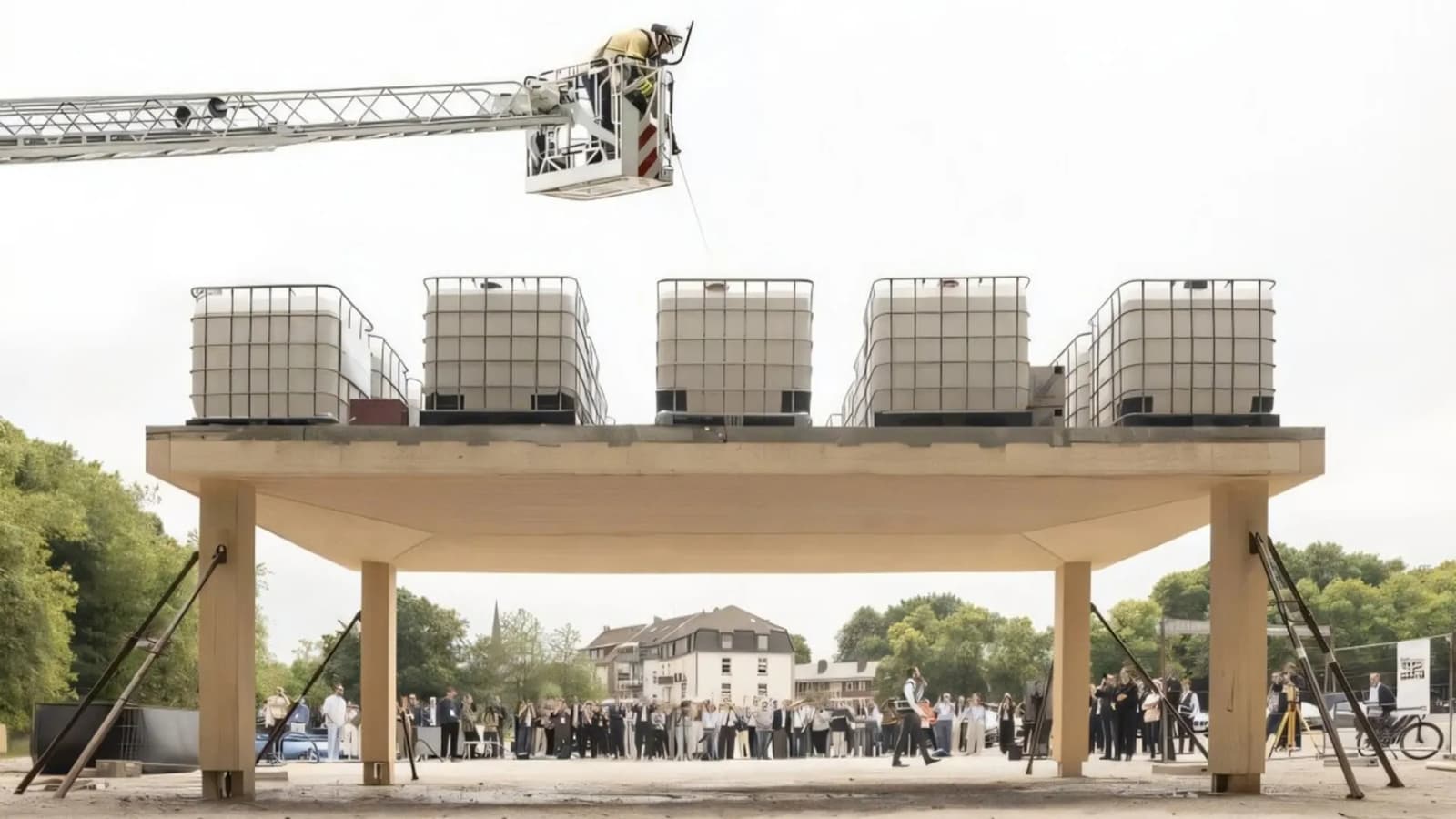
14-inch timber slab holds 20 metric tons, could shrink building’s carbon footprint
Reinforced concrete floor slabs account for roughly 40% of a building’s embodied carbon emissions, yet...
US backs Quaise Energy to unlock world’s first commercial superhot geothermal power plant
A geothermal project under construction in central Oregon is aiming to generate more than 50...
US firms join hands to turn 565,000 tons of food waste into renewable natural gas
Vanguard Renewables is set to acquire Generate Upcycle’s North American operations in a deal that...
140,000 home batteries generated 580 MW to save California grid during heat wave
In a clean energy milestone, Sunrun and Tesla coordinated the release of more than 580...