China: World’s largest renewable energy system reaches 60.1% of power capacity
China is making significant changes to its energy sector through investment in renewable power, modern...
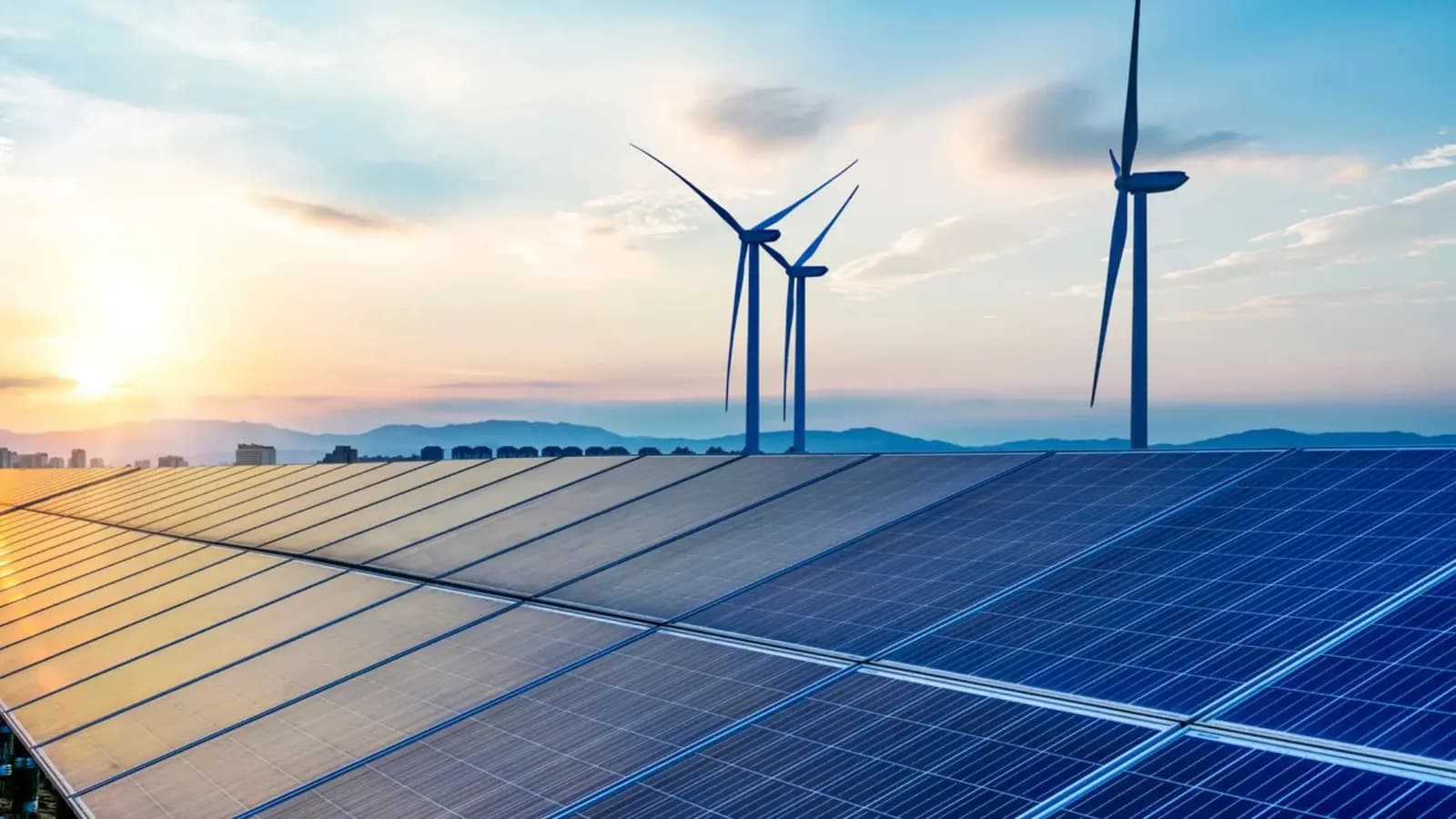
China is making significant changes to its energy sector through investment in renewable power, modern infrastructure and cleaner electricity generation. Its renewable energy system, the largest in the world, is expanding rapidly and strengthening the country’s influence in the international clean energy market. A report released by the China Enterprise Reform and Development Society (CERDS) highlights these developments, including falling carbon emissions, growing electricity capacity and China’s contribution to renewable energy manufacturing.
The findings come as fossil fuel-related carbon emissions continue to rise. In 2025, worldwide carbon dioxide (CO₂) emissions from energy consumption increased by 0.4 percent to 38.4 billion tons. During the same period, China’s energy-related emissions declined by 0.5 percent, while those of the United States rose by 2.4 percent. Changes are also visible in China’s electricity generation mix. Coal accounted for 49.7 percent of the country’s total electricity generation during the first half of 2026, bringing its share below the 50 percent mark. The growing availability of wind and solar power has contributed to this shift. However, coal-fired plants continue to support the electricity system by providing a dependable source of power when renewable generation fluctuates.
Renewable energy gains a larger share of China’s power capacity
As of the end of 2025, global installation of renewable energy had increased to 5,149 GW, up 15.5 percent from the previous year. For the first time in a century, the global supply of electricity from green energy sources (33.8 percent) exceeded the supply from coal (33.0 percent). In China, renewable energy capacity had reached 2.337 billion kW by the end of 2025, accounting for 60.1% of the country’s total electricity generation capacity. China’s newly added renewable energy capacity also made up 63.6 percent of the global total. This growth brings new requirements for electricity infrastructure. Wind and solar generation can vary depending on weather conditions, making grid flexibility and energy storage important for maintaining a stable supply. Improving connections between power generation facilities and consumption centers will also be necessary as more renewable electricity enters the system. Financial investment is expected to support these developments. According to the CERDS report, China’s energy investment is projected to reach $940 billion in 2026. The funding reflects the scale of activity across the country’s energy industry, including the development of power infrastructure and new generation facilities.
China’s renewable energy manufacturing expands its international reach
China’s role in the energy transition extends well beyond its domestic market. It supplies approximately 70 percent of the world’s wind power equipment and 80 percent of solar photovoltaic (PV) modules, making it a leading manufacturer for the global renewable energy industry. Its production capabilities have helped increase the availability of equipment used in wind and solar projects across different countries. The report also highlights the decline in renewable electricity generation costs. Global wind power costs have fallen by more than 60 percent, while solar PV costs have decreased by over 80 percent. These reductions have improved the economic competitiveness of renewable technologies and made clean electricity more accessible to energy markets worldwide. China’s manufacturing base has contributed to this progress by supplying a substantial share of the equipment required for new installations.
Get the latest news delivered to your inbox.
Related articles