BAE Systems opens UK’s first fully automated factory to boost 155mm shell output 16-fold
BAE Systems has officially opened the United Kingdom’s first fully automated large-caliber munitions facility at...
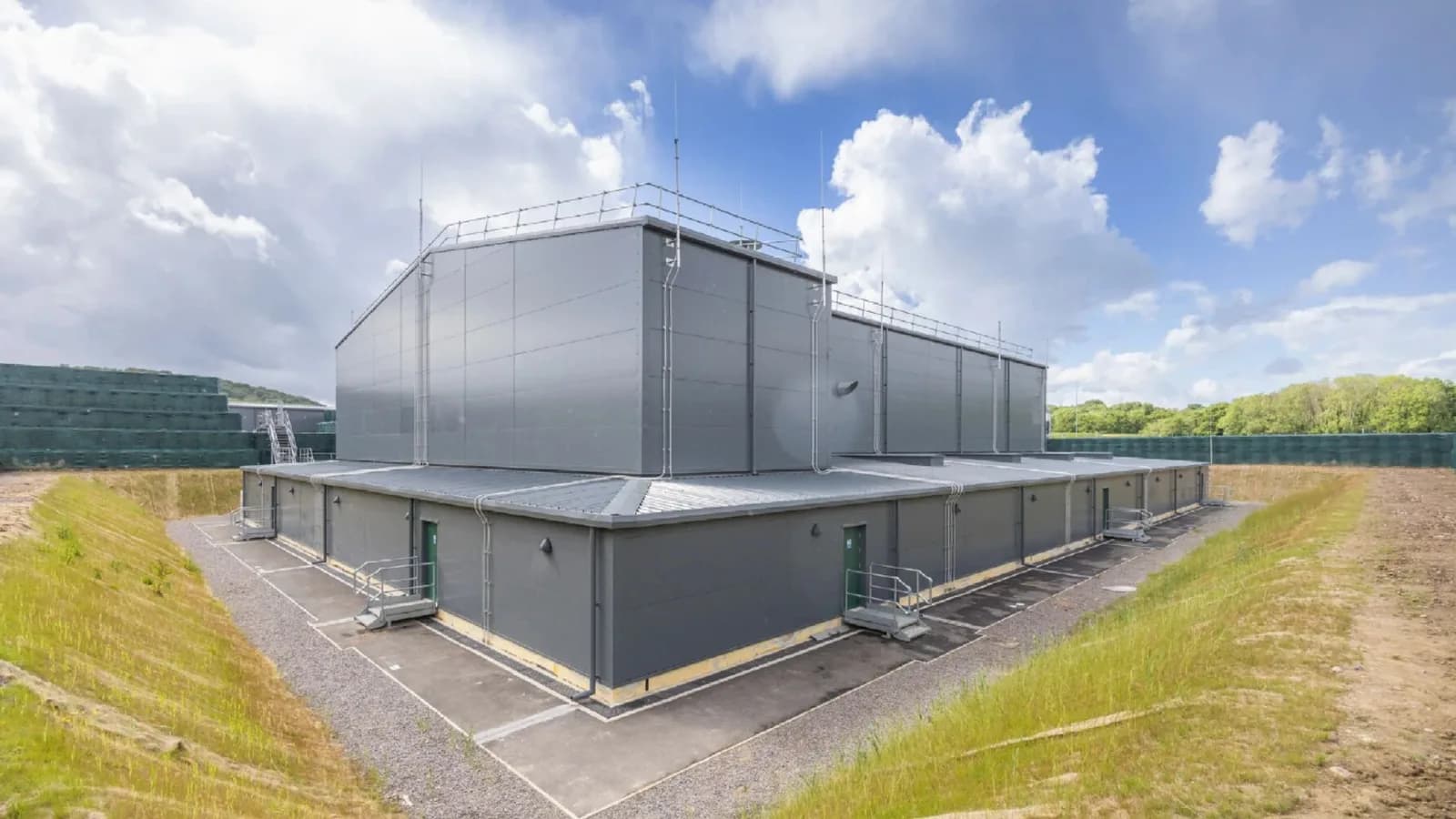
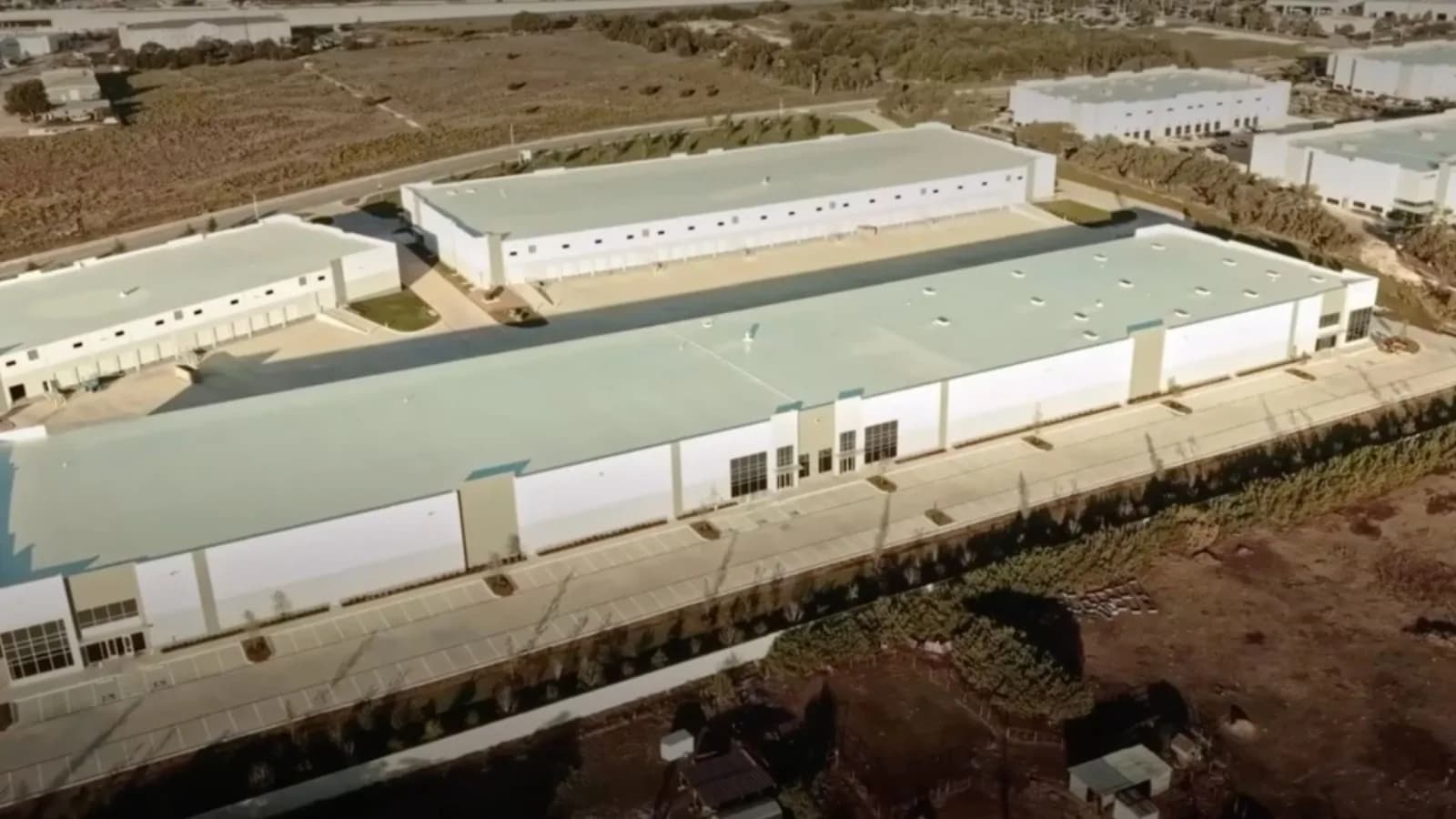
BAE Systems has officially opened the United Kingdom’s first fully automated large-caliber munitions facility at its historic manufacturing complex in Glascoed, South Wales. Funded by a £180 million (roughly $228 million) investment, the new melt-cast explosive-filling plant is engineered to expand the defense contractor’s 155mm artillery shell production capacity sixteen-fold compared to 2023 output levels.
The opening addresses a pressing industrial bottleneck across Western defense supply chains, where high-intensity artillery consumption in Ukraine has strained allied ammunition stockpiles.
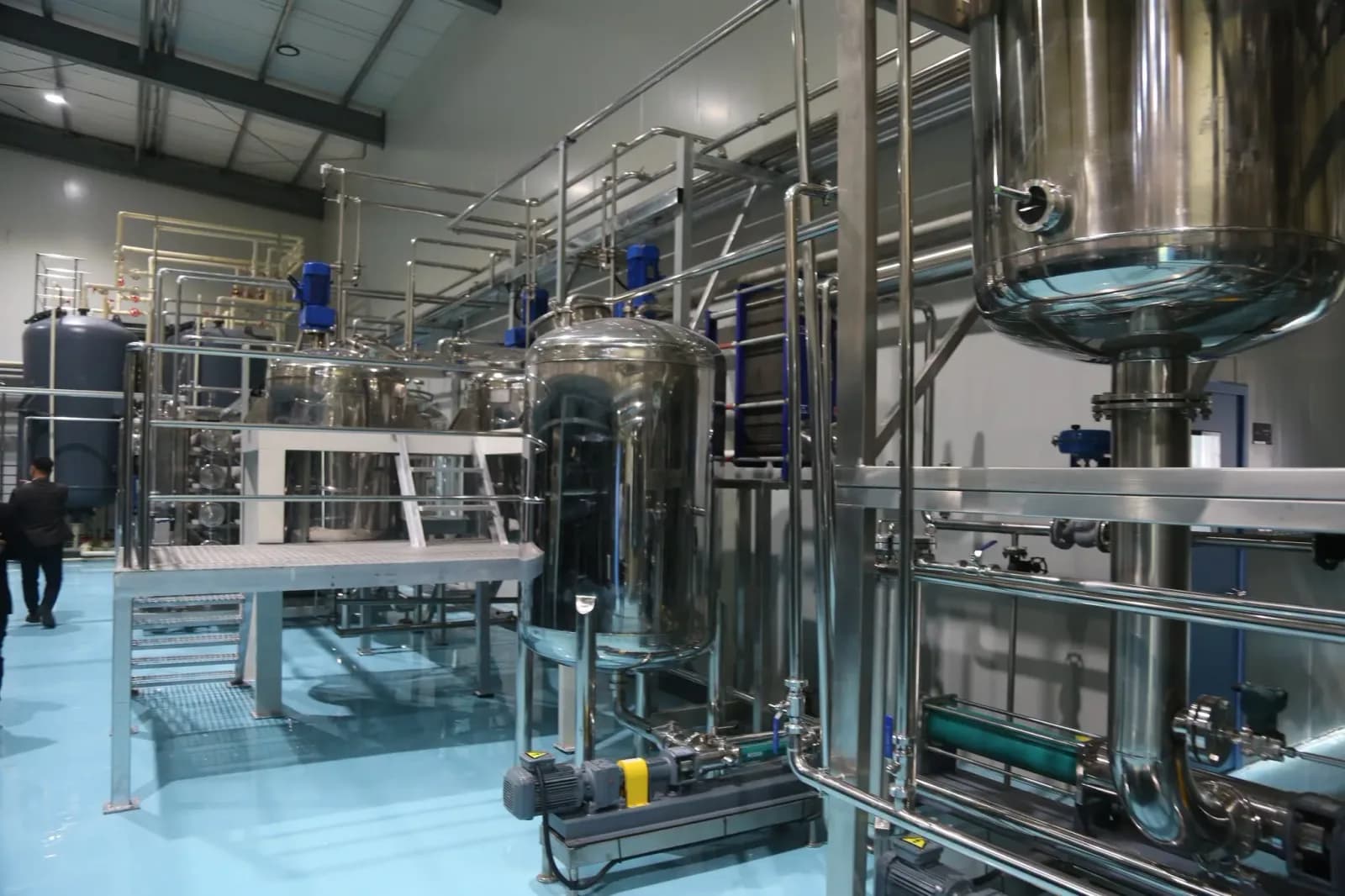
By replacing labor-intensive manual handling with industrial robotics and autonomous transport, the facility is designed to run extended production shifts while keeping human technicians outside volatile high-explosive zones.
Inside automated facility
According to a BAE Systems announcement on November 20, 2026, the plant relies on a coordinated network of industrial robotic systems and autonomous guided vehicles (AGVs) to move, position, and fill steel artillery casings without direct human intervention inside hazardous bays.
Empty 155mm shell bodies machined at BAE Systems’ facility in Washington, northeast England, are transported south to Glascoed to receive their high-explosive payloads.
At the core of the operation is an automated melt-cast process. During production, solid energetic compounds are carefully heated until liquefied, poured directly into the empty 155mm steel casings, and cooled under tightly controlled thermal profiles until solidified before moving on to final fuzing and assembly.
Uniform solidification is critical in melt-cast munitions manufacturing because trapped air pockets, shrinkage voids, or hairline cracks inside the explosive core can cause erratic detonation or premature barrel failures when fired from high-pressure howitzers.
“Glascoed has been at the center of the UK’s munitions capability for generations,” said Andrea Thompson, Group Managing Director of BAE Systems Digital Intelligence & Land. “By combining our extensive experience with advanced automation, we’re creating a facility that delivers significantly greater capacity, improves resilience of supply and supports the UK’s defense needs long into the future.”
Delays, capacity upgrades, and UK supply resilience
Spread across a 1,000-acre (405-hectare) complex in Monmouthshire that has produced munitions since the 1940s, Glascoed employs roughly 870 staff and anchors Britain’s domestic energetics sector. The automated plant arrives more than a year after its originally targeted summer 2025 debut.
According to reports, construction schedules were extended after BAE Systems made a strategic mid-project decision to double the plant’s planned capacity from an eightfold increase to sixteen-fold. A scale-up is expected to lift annual 155mm production from roughly 3,000 to 5,000 shells to around 80,000 rounds.
The upgrade also fits into a much bigger modernization effort across Britain’s artillery supply chain. Alongside the Glascoed filling line and its shell-forging site in Washington, BAE Systems has reopened gun-barrel manufacturing in Sheffield and invested in continuous-flow processing for explosives and propellants to reduce British reliance on imported energetic materials from the United States and France.
While the Glascoed facility is now officially open, full-scale mass production will ramp up following an initial phase of live safety and process qualification trials.
Get the latest news delivered to your inbox.
Related articles