China activates first phase of 500 MW wind farm at 16,732 feet, set to power 175,000 homes
At 5,100 meters (16,732 feet) above sea level, the air is thin enough to make...
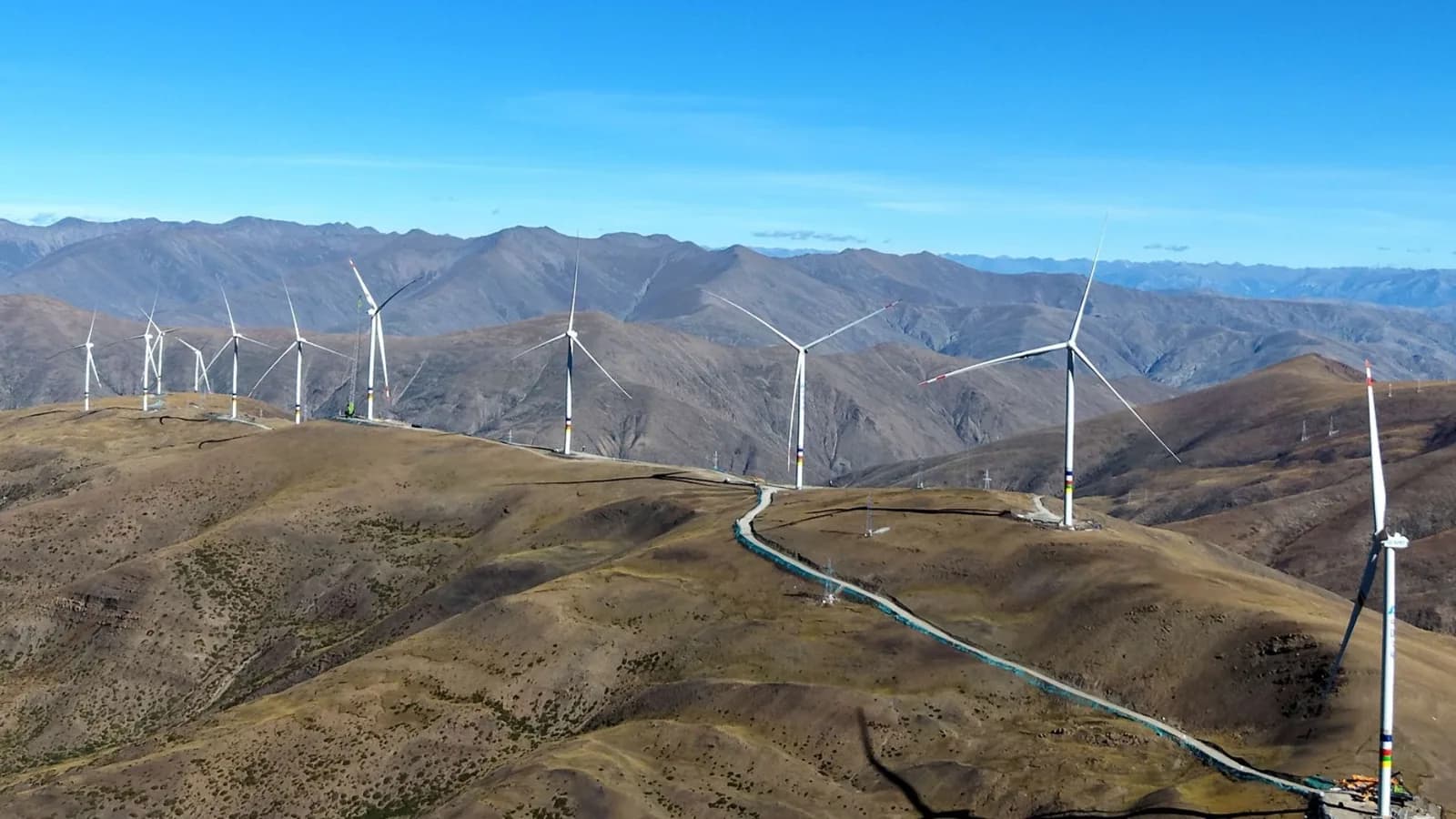
At 5,100 meters (16,732 feet) above sea level, the air is thin enough to make simple physical tasks exhausting, but giant turbine blades are now spinning against the Himalayan sky.
China’s Xizang Autonomous Region has reportedly switched on the first units of its largest wind farm on Monday, feeding clean electricity into the regional grid just before winter arrives.
The newly activated turbines form the 150-megawatt first phase of the Qiongjie wind base in Shannan City. Once fully built, the site will reach a planned capacity of 500 megawatts. It is the largest wind project under construction in the region and the only local wind initiative selected by the National Energy Administration for a national pilot program.
The wind base is operated by China Huadian Corporation Ltd. (a major state-owned power generation enterprise) and contracted to the China Construction Second Engineering Bureau.
Engineering on the edge
Clean energy on the plateau solves a major seasonal problem. Solar power drops to zero every night, and hydropower slows to a trickle during the freezing winter months. The Qiongjie base fills that gap. Upon completion, the facility will generate 394 million kilowatt-hours of electricity each year. It is expected to supply roughly 175,000 households and eliminate about 330,000 tonnes of carbon dioxide emissions.
Phase one comprises 24 turbines rated at 6.25 megawatts each, perched along mountain ridges where average wind speeds exceed 8 meters per second. The machinery is massive. Individual tower sections weigh over 101 tonnes, blades stretch 97.3 meters long (roughly 318 feet), and hubs sit 113 meters (370 ft) above the rocky ground.
Building a wind farm of this size on the roof of the world tested engineering crews at every turn. Oxygen levels sit at half of what they are at sea level. Temperatures swing by more than 20 degrees Celsius in a single day, sudden gusts whip across the peaks without warning, and the viable construction window lasts just five months a year.
Smart integration
Construction progressed rapidly during the project’s final stages. Workers raised the first turbine on June 18, 2026, and wrapped up the entire phase’s installation just four months later in October, bringing the units online right before winter arrived.
Project teams adapted quickly to survive the terrain. To navigate shifting winds, teams set up on-site weather stations for live monitoring and scheduled every delicate crane lift hour by hour, one turbine at a time.
Engineers also designed single-blade hoisting techniques above 5,000 meters last year. This development shrank the required crane footprint by two-thirds and raised the safe operating wind threshold to 10 meters per second. Overall, it has created a blueprint for future high-altitude builders.
Furthermore, smart technology keeps the turbines running safely in the harsh climate. Each unit features an intelligent forecasting system that blends radar, terrain modeling, and live operational data to account for unpredictable mountain wind patterns. The system flags blade icing and high-wind shutdowns before damage occurs.
Reports suggest that the grid-forming batteries and an expanded220-kilovolt substation form the backbone of the site, delivering a smooth flow of mountain-generated electricity to homes below.
Source: https://interestingengineering.com/energy/chinas-biggest-wind-base-goes-live
Get the latest news delivered to your inbox.
Related articles