China combines giant offshore wind turbines with tourism to boost green growth
Pingtan Island in southeastern China is combining offshore wind power, coastal tourism and environmental restoration...
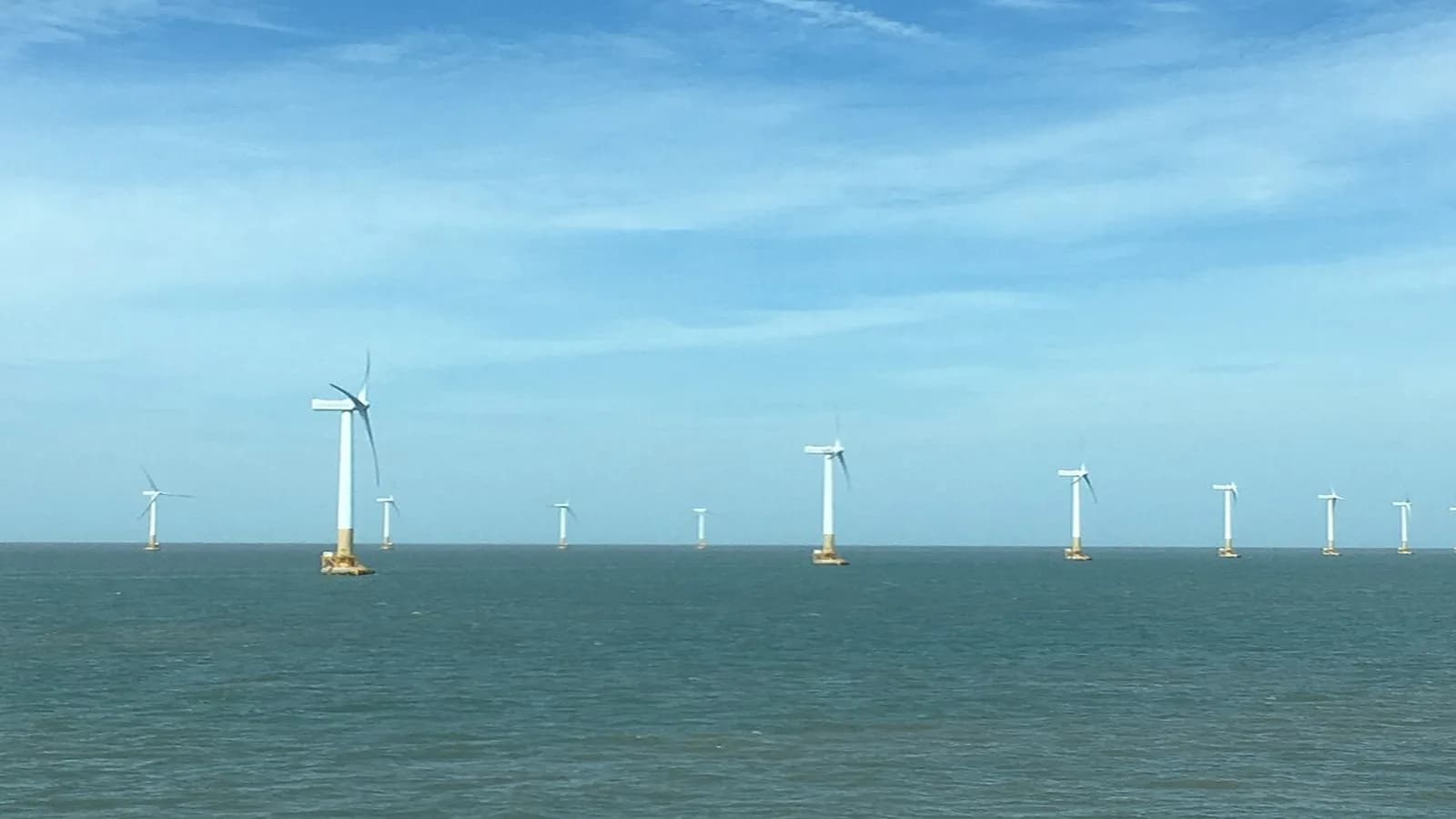
Pingtan Island in southeastern China is combining offshore wind power, coastal tourism and environmental restoration to create economic opportunities while protecting its marine environment.
Located in Fujian province, the island is known for its strong coastal winds and beaches. Its development strategy connects renewable energy production with tourism, waste management and businesses built around environmental protection.
Offshore wind power creates tourism opportunities
One example is Datang’s Xianmei offshore wind farm, located east of Changjiang’ao. The site experiences winds of force six or above on more than 300 days each year.
The wind farm covers about 5 square miles (13 square kilometers) and operates 26 turbines with a combined installed capacity of 185 megawatts. It generates approximately 820 million kilowatt-hours of electricity annually, avoiding about 550,000 metric tons of carbon dioxide emissions, Zhu Guangyao, a shift supervisor at the facility, told the Global Times.
Some turbines stand about 377 feet (115 meters) high at the hub, with rotor diameters of 607 feet (185 meters). A single 10-megawatt turbine can generate around 40 million kilowatt-hours annually, enough to supply approximately 20,000 three-person households, according to the company.
Beyond generating electricity, the turbines have become a coastal attraction, drawing hundreds of thousands of visitors each year and supporting nearby guesthouses and tourism operators.
Technology has also changed wind farm operations. Rail-mounted inspection robots can check equipment in designated areas within two hours and automatically generate reports, doubling inspection efficiency, Zhu said. An artificial intelligence-powered forecasting model combining marine weather data with radar-based wind measurements has improved the accuracy of power generation forecasts for the next four hours by 20 percent.
Local entrepreneurs are also building businesses around the island’s landscape. Huang Xiaoxi, who runs Pingtan Lingdong Island Cultural Tourism, opened a cafe in March 2022 before expanding into tourism ventures, including a surfing club. Village authorities helped arrange utilities and built a wooden walkway based on his design, which they leased to him.
Tourism growth increases pressure on coastal ecosystems
Pingtan recorded more than 12 million tourist visits in 2025, its third consecutive year exceeding 10 million. Tourism accounted for 14 percent of the island’s gross domestic product, according to China Media Group.
The increase has also strained waste collection and wastewater treatment. Marine litter from offshore aquaculture, tourists and coastal communities remains a persistent challenge, Huang Jifu, an official with the local natural resources and ecological environment bureau, told the Global Times.
Authorities have established dedicated coastal cleaning teams. In 2026, 77 government departments, public institutions and businesses also joined a volunteer campaign to adopt sections of beach for regular cleanups.
The average area covered by marine litter per mile of coastline declined from approximately 765 square feet in 2021 to 270 square feet in 2025, according to Huang.
Wastewater infrastructure has expanded, too. Pingtan’s five treatment plants now have a combined daily capacity of approximately 171,000 US tons (155,000 metric tons), compared with about 22,000 US tons (20,000 metric tons) at its single urban plant in 2014. Between 2021 and 2025, the island invested about 840 million yuan ($126 million) in rural wastewater projects.
Local businesses are also encouraging reuse. Ji Leilei operates a sustainable lifestyle store where visitors can exchange collected litter for a drink. The store also sells crafts made from discarded fishing nets, with elderly villagers paid to produce them.
Pingtan’s approach shows how renewable energy, improved waste management, and local businesses can support a more sustainable coastal economy.
Source: https://interestingengineering.com/energy/china-pingtan-wind-tourism-energy-economy
Get the latest news delivered to your inbox.
Related articles