Why copper is hard to 3D print, and how a graphene oxide coating helped it melt better
A Chalmers University of Technology doctoral thesis describes coating metal powder particles with graphene oxide,...
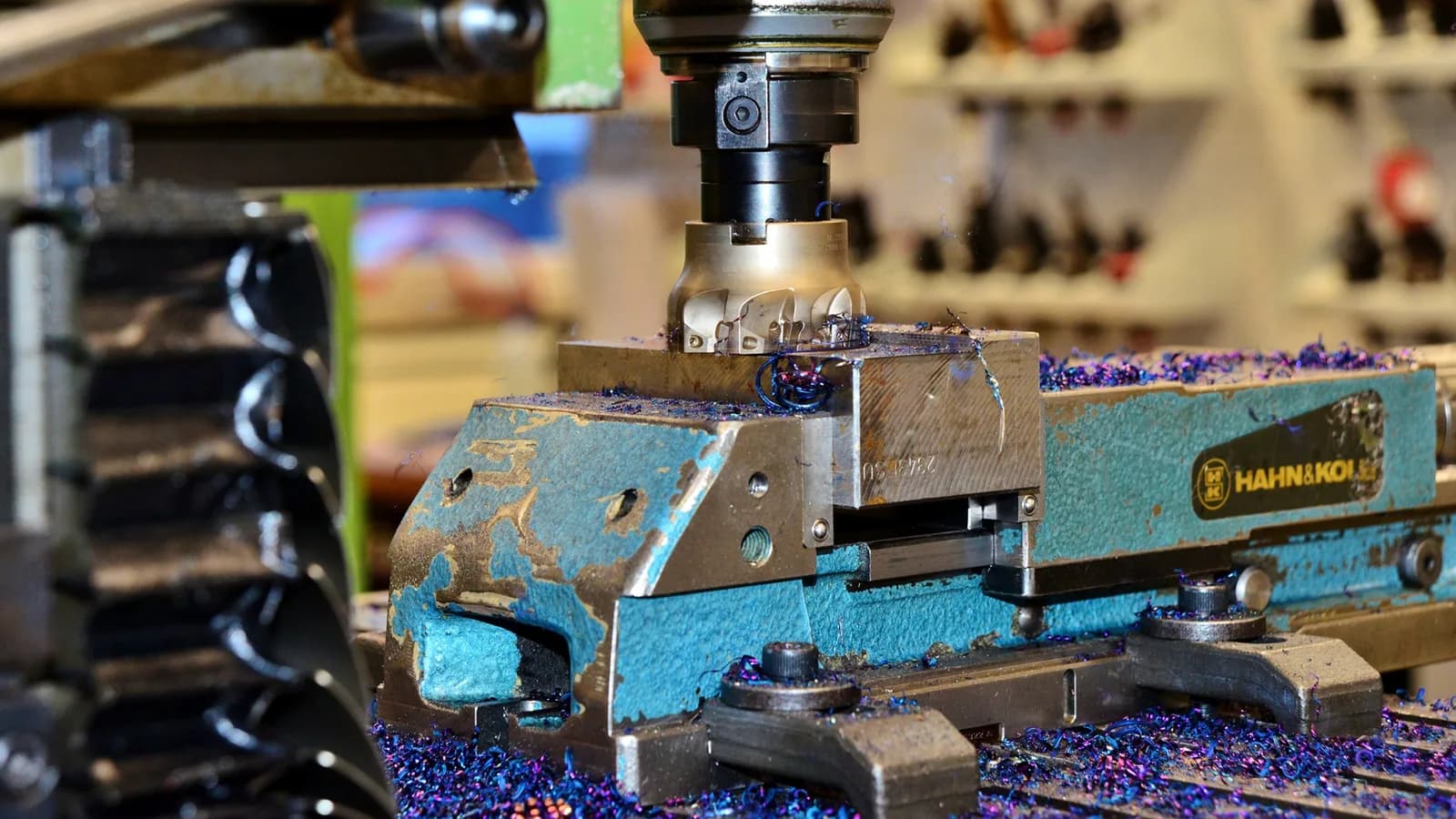
A Chalmers University of Technology doctoral thesis describes coating metal powder particles with graphene oxide, a step that made pure copper easier to 3D print with a laser. Plinio Fernandes Borges Silva developed the method while studying how graphene-based materials can be built into powder-based manufacturing processes.
Graphene offers high electrical and thermal conductivity and mechanical strength. Using it in real manufacturing is hard, though, because graphene sheets tend to clump, may bond poorly with other materials, and can be damaged during processing.
Coating powder at scale
The key challenge was spreading graphene evenly on metal powder and getting strong interaction between the two. Silva developed a molecular-level mixing method that deposits graphene oxide on powder particles using a coupling agent called APTES.
By changing the APTES concentration and the amount of graphene oxide, he could control the coating’s characteristics and how much of each particle it covered.
By adapting the mixing conditions and chemistry, the method grew from 0.7-ounce (20-gram) batches to 1.1-pound (500-gram) batches. Those were reused to make 22 pounds (10 kilograms) of graphene oxide-coated copper powder.
Taming reflective copper
Pure copper is hard to process with lasers because it reflects much of the laser energy. In laser powder bed fusion, a form of metal 3D printing, the graphene oxide coating reduced the powder’s reflectance and changed how the copper melted.
A separate study of graphene oxide-treated copper powder reported printed density rising from about 90% to 99.8% with 0.1 weight percent graphene oxide and a 500-watt laser. Another thesis on copper printing put copper’s reflection of near-infrared laser light at roughly 95%.
X-ray radiography during laser processing showed shallower, less slender keyholes, the narrow vapor cavities a laser digs into molten metal. Examination of samples from a commercial printer suggested wider melt pools, hinting that the molten copper spread more sideways.
Graphene oxide-coated copper formed thin walls over a broader range of settings and reached higher relative density than uncoated copper under the conditions studied. Some thin-wall structures could not be produced from pure copper under those conditions, Silva said.
Most of the added carbon was removed during processing, and the oxygen content of the final parts fell substantially. Silva called that “a significant reduction in the oxygen content” of the components.
The results suggest the coating may act as a sacrificial layer that helps remove oxygen from copper oxides, which could improve how molten copper wets and spreads.
Graphene in wear coatings
Silva also tested graphene-based materials in thermal spray coatings. Graphene nanoplatelets in alumina coatings and graphene oxide in WC-Co-Cr coatings were both retained after deposition but changed structurally and chemically during sliding wear.
In the WC-Co-Cr coating, graphene oxide reduced the average coefficient of friction, though the lubricating effect faded with prolonged wear.
Heat exchangers and next steps
The improved copper processing could help make complex copper parts with thin features, such as heat exchangers for advanced cooling. The work is linked to Chalmers’ Centre for Additive Manufacture-Metal (CAM2), which is funded by VINNOVA.
Silva is nearing his doctoral defense and described himself as “nervous and excited.” Associate Professor Ashish Ganvir will serve as a faculty opponent. Next, Silva plans to look for roles in industry, particularly in materials science, additive manufacturing, and materials characterization.
Source: https://interestingengineering.com/science/graphene-oxide-copper-laser-3d-printing
Get the latest news delivered to your inbox.
Related articles