
China conducts satellite-to-satellite refueling operation in high Earth orbit: Report
China has successfully refuelled one of its BeiDou satellites in high orbit, according to reports. The...
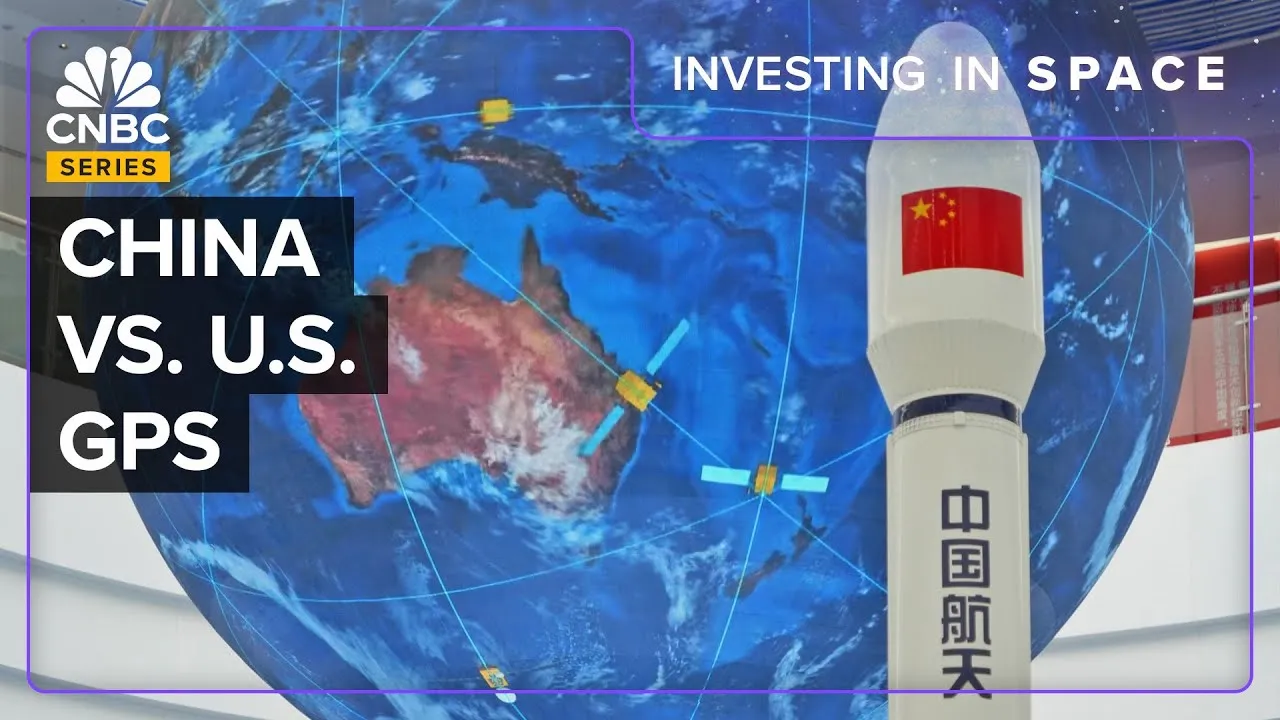
China has successfully refuelled one of its BeiDou satellites in high orbit, according to reports. The operation — occurred in February this year, but for whatever reason — has only just been submitted for peer review with the Chinese Journal of Deep Space Exploration.
In case you are unaware, these satellites are China’s answer to the US Global Positioning System (GPS). They are vital for positioning, navigation, and timing for things like smartphone maps, military drones, and missile guidance on Earth.
The operation involved the transfer of room-temperature propellant from one “tanker satellite” to a BeiDou satellite. If true, this means the nation is now capable of continuing to extend the lifespan of valuable spacecraft in space.
Satellites like the BeiDouare launched with a finite amount of propellant. This is needed for things like orbit corrections, station-keeping, attitude control, and collision avoidance.
Eventually, the spacecraft can still have perfectly functional electronics, solar panels, and atomic clocks, but if it runs too low on propellant, it becomes increasingly difficult to operate. Under normal circumstances, you would need to replace it with another satellite once the propellant is exhausted.
Mid-orbit refuelling is now a thing
However, the ability to top up propellant in orbit could rewrite the rules. It is also an impressive feat.
The servicing spacecraft has to find and approach a target travelling at kilometres per second, and match its orbit extremely precisely. Once there, it needs to get within centimetres or millimetres without smashing into it.
It then needs to mechanically connect (or otherwise create a fluid connection) and transfer fuel in microgravity without leaks, bubbles, contamination or destabilising either spacecraft.
All this with spacecraft operating in medium Earth orbit and geosynchronous-type orbits. So the servicing mission would have been operating thousands or tens of thousands of kilometres above Earth.
That makes communications, navigation, orbital rendezvous, and mission logistics substantially harder. As for the propellant itself, this was likely some form of storable chemical rather than cryogenic fuel such as liquid hydrogen or liquid oxygen.
Storable propellants can remain liquid for years without refrigeration. That’s why they’re common for satellite thrusters. From an engineering perspective, they are much easier to transfer than cryogenic propellants.
Cryogenic fuel is a completely different beast. It boils away, has to be kept incredibly cold, creates complicated pressure and thermal-management problems, and behaves strangely in microgravity.
Should other nations be worried?
While spacecraft-to-spacecraft cryogenic refuelling is yet to be achieved, the ability to refuel storable chemical propellant is still a game-changer. It now means China can extend the usable life of satellites like BeiDou, with each refuelling satellite likely able to service multiple satellites in one trip.
That translates to significant savings in satellite servicing, eliminating the need to develop and launch replacements. Other than the refuelling/servicing satellite(s), of course.
Very interesting, but there is another interesting angle here too. The capability to safely approach, dock with, and interact with another satellite in orbit has other implications too.
While not stated in reports, this capability could be used for offensive anti-satellite missions in orbit. The lessons learned here could be used to develop satellites that can knock out other nations’ satellites.
That’s not to say the tanker satellite in question has such capabilities. But it is not out of the question that future Chinese satellites could.
Source: https://interestingengineering.com/space/china-orbital-tanker-reshape-satellites-future
Related articles

Nuclear war, bioweapons, runaway AI: How researchers rank risks of smart systems
Artificial intelligence researchers have long warned the technology could wipe out humanity, whether by designing...
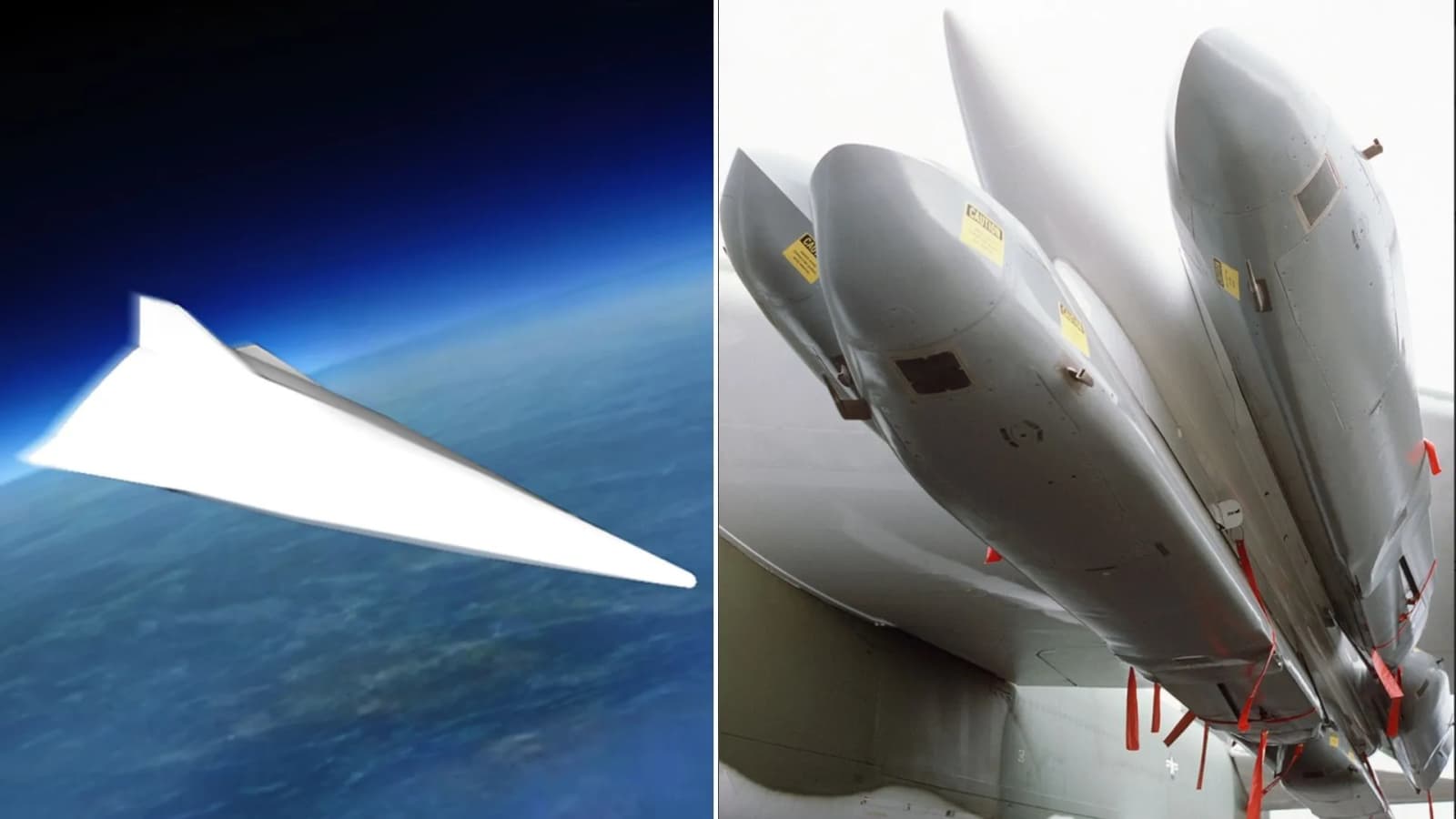
Hypersonic glide vehicles vs cruise missiles: How the weapons differ
Hypersonic weapons are designed to travel at speeds of Mach 5 or higher, or at...

First for US Army: MH-47G Chinook helicopter refuels from autonomous barge at sea
A U.S. Army MH-47G Chinook helicopter has landed on an uncrewed vessel at sea and...
US scientists’ new material could make next-gen microchip encryption faster, more secure
Researchers have defined a new material blueprint for the next-generation microchip encryption. The team of...

Why OLPC’s $100 laptop never stood a chance
The idea was big, exciting, and inspiring: What if we could get every kid in the world access to a computer?
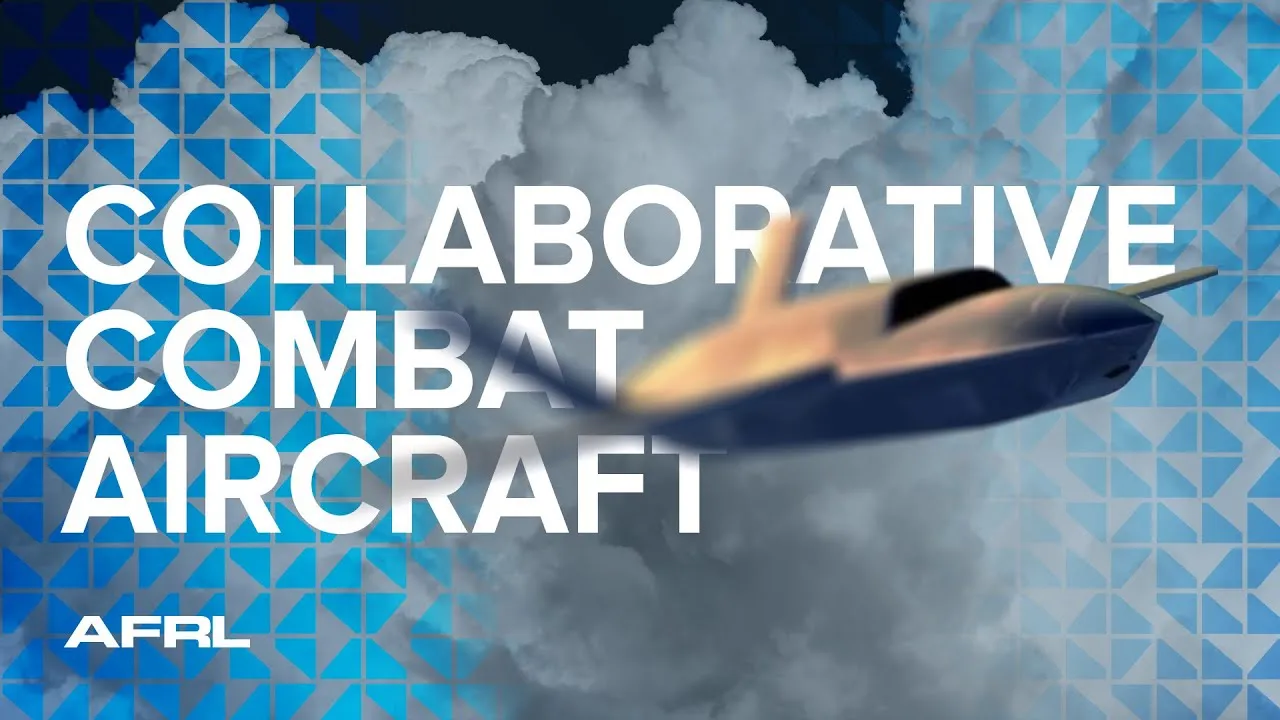
US Air Force receives first ‘robot wingmen’ drones to begin autonomous warfare trials
The United States Air Force (USAF) has taken delivery of the first batch of two...