China’s 1,300-mph J-20 stealth fighter flies alongside autonomous wingman drones
China is incorporating artificial intelligence and autonomous drone support into routine fighter pilot training, giving...
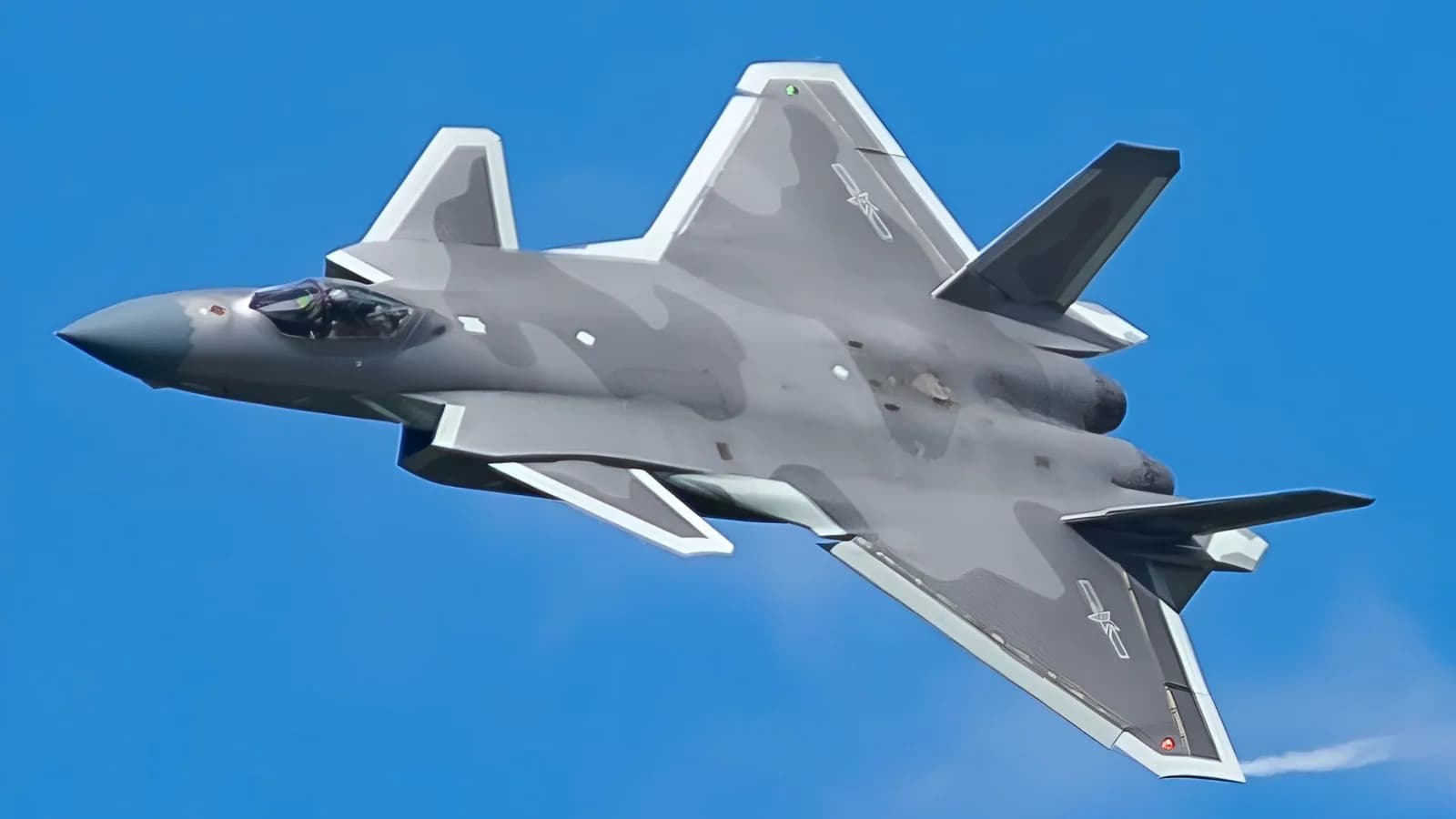
China is incorporating artificial intelligence and autonomous drone support into routine fighter pilot training, giving its aircrews experience with combat scenarios involving multiple aircraft. The approach pairs conventional fighter operations with unmanned wingmen, allowing pilots to practice coordinated missions inside advanced flight simulators.
The People’s Liberation Army (PLA) has begun integrating manned-unmanned teaming (MUM-T) exercises into training systems used by frontline aviation units. The simulations also introduce complex battlefield conditions designed to test how pilots respond to increasingly demanding combat situations.
Simulating drone-assisted combat
A report from the PLA Daily revealed that an aviation brigade under the Southern Theatre Command has incorporated MUM-T exercises into its ground-based flight simulators. The training targets younger pilots and introduces them to operations involving autonomous supporting aircraft.
Pilots can practice extended combat engagements with simulated adversaries while receiving assistance from unmanned loyal wingman drones. The system also generates changing battlefield conditions, including successive groups of approaching targets and electromagnetic interference.
These scenarios expose pilots to challenges beyond conventional air-to-air engagements. Electronic interference can complicate communications and sensor operations, forcing pilots to adapt their decisions during simulated missions.
The report did not identify the fighter aircraft involved in these exercises. However, its accompanying photograph showed a Shenyang J-16 assigned to the unnamed aviation brigade.
The training approach also builds on earlier simulator exercises involving geographically separated participants. A December 2025 PLA Daily report described a Central Theatre Command pilot conducting simulated engagements alongside personnel operating real military equipment thousands of kilometers away.
The exercise combined system-generated loyal wingman drones with live participants. It offered a way to recreate coordinated combat scenarios without requiring every participating aircraft to fly together.
J-20 enters the equation
China’s experiments with MUM-T extend beyond simulator training. Research published in June by the US Air Force’s China Aerospace Studies Institute (CASI) traced the PLA Air Force’s combat method validation efforts to 2024.
The study identified the Ninth Aviation Brigade as a participant in developing coordinated penetration tactics for the Chengdu J-20 stealth fighter. These operations involve manned and unmanned aircraft working together during missions.
Based at Wuhu airbase in Anhui province, the brigade operates within the Eastern Theatre Command. It also ranks among the earliest PLA Air Force units to receive the fifth-generation J-20.
China offered a public glimpse of these capabilities in November 2025. A promotional video marking the PLA Air Force’s 76th anniversary showed a Gongji-11 (GJ-11) stealth combat drone flying alongside a J-20.
The footage also featured a J-16D electronic warfare aircraft. The GJ-11, identified by the codename Xuanlong 08, demonstrated China’s interest in coordinating different aircraft through shared missions.
Autonomous wingmen take shape
Chinese state broadcaster CCTV aired additional footage earlier in November 2026. It showed the GJ-11 operating alongside a J-16 and separately alongside J-20 fighters.
The footage offers further evidence of China’s efforts to integrate unmanned aircraft into conventional air combat operations. Such arrangements could allow fighter pilots to coordinate with drones during missions without requiring every aircraft to carry a human crew.
China also displayed several autonomous combat drone designs during its September 2025 Victory Day military parade. These aircraft suggest that the country is developing multiple platforms for future manned-unmanned operations.
The broader engineering challenge involves coordinating aircraft with different capabilities through a shared operational network. Autonomous wingmen could eventually support crewed fighters during complex missions, expanding the number of aircraft available to commanders without increasing cockpit workloads proportionally.
Source: https://interestingengineering.com/military/china-1300-mph-j20-fighter-drone-wingmen
Get the latest news delivered to your inbox.
Related articles