China’s new humanoid robot features 1,500 tactile sensors and 76 degrees of freedom
XPENG has unveiled a new physical-intelligence architecture and its IRON humanoid robot, outlining plans to...
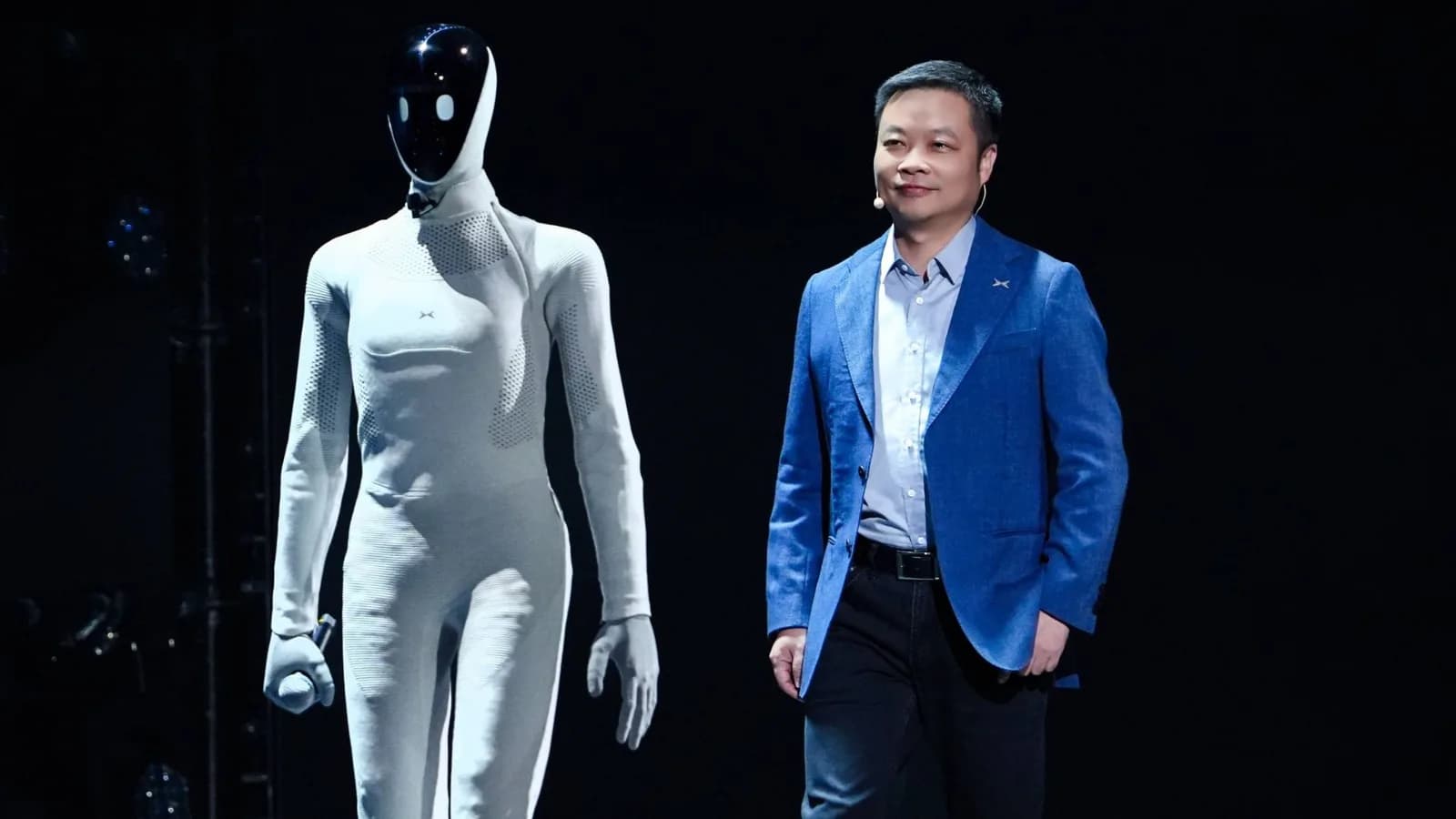
XPENG has unveiled a new physical-intelligence architecture and its IRON humanoid robot, outlining plans to bring the machine into its retail stores in 2027 as the Chinese automaker expands into robotics and autonomous mobility.
The company introduced its Turing Physical AI Architecture, also called VLA 3.0, at its eighth AI Day in Guangzhou on November 25. The framework connects AI models with computing, perception, control systems, and physical hardware across intelligent vehicles and humanoid robots.
XPENG said the architecture has three systems operating at different speeds. System 0 coordinates hardware functions, including power, energy, communication, and execution, while feeding information about the body’s state back into the AI loop.
System 1, powered by the company’s VLA 2.0 model, interprets the surrounding environment and translates it into real-time actions. System 2 handles higher-level cognition, using vision-language task planning and an agent runtime system to interpret objectives and coordinate complex tasks.
The company said the three layers create a feedback loop in which physical actions inform subsequent decisions. Its latest VLA 2.0 model, version 6.4.0, supports agent-driven closed-loop training, which XPENG said increases training speed by 10 to 12 times.
IRON targets retail roles
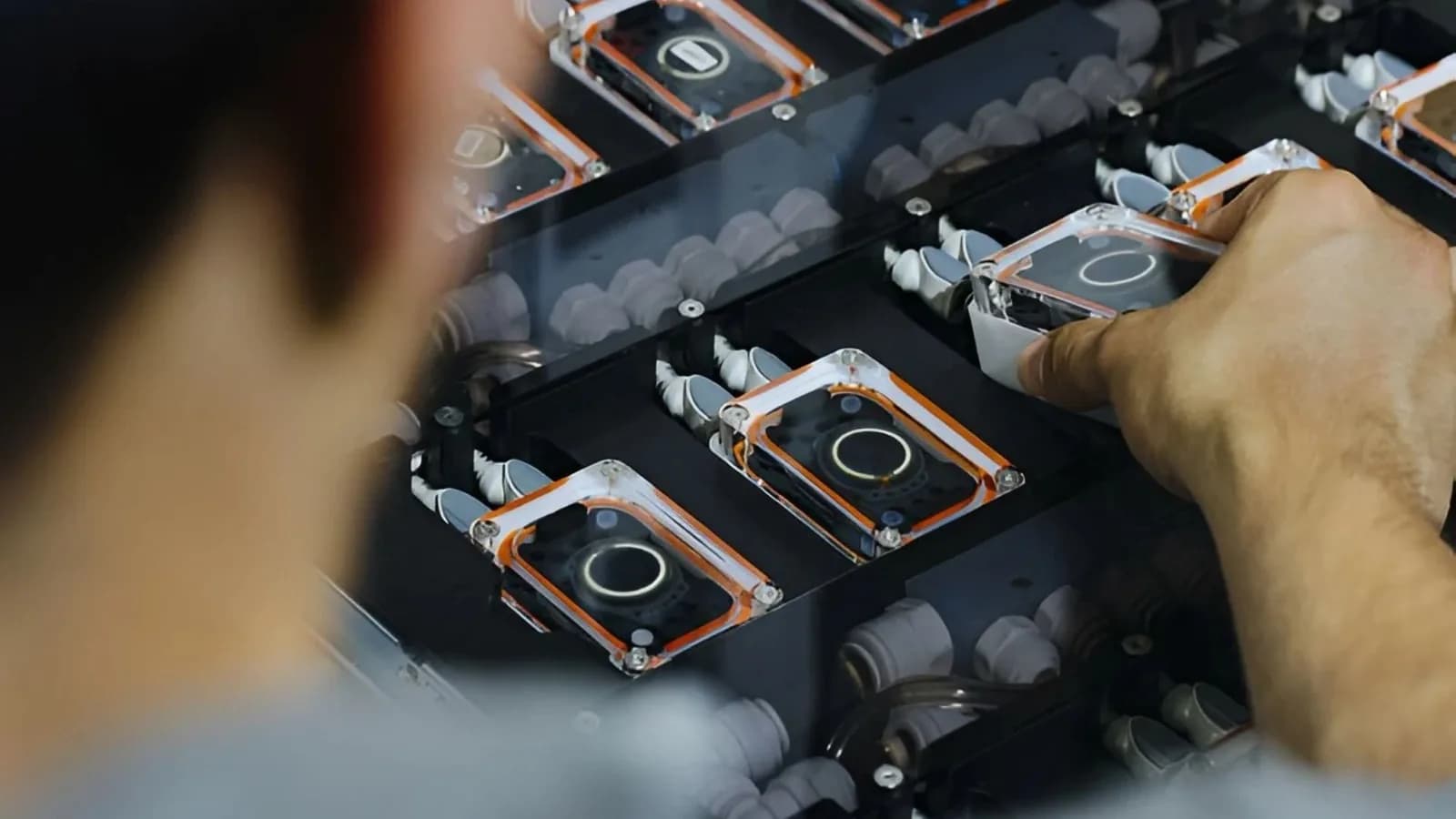
IRON, which made its first public appearance at the event, has 76 degrees of freedom and more than 1,500 tactile sensing points. XPENG said sensors cover more than 80 percent of key body areas, while three proprietary Turing AI chips support onboard models and whole-body control.
The robot combines multimodal understanding and task planning with navigation, manipulation, and safety monitoring. It can navigate autonomously, receive tasks through voice or app instructions, charge itself, and report abnormal conditions, according to the company.
XPENG plans to begin training IRON as a store assistant in its retail outlets in the first quarter of 2027. Its official public release is targeted for the second quarter.
The company has established a robot data factory covering more than 250 scenarios and 15 job categories. Its automated assembly line includes more than 600 holographic quality-inspection items and over 1,000 tests for complete robots and key components.
Vehicles join robotics push
XPENG is extending its physical-intelligence strategy into vehicles. Its X-VMC 2.0 motion-control system connects propulsion, braking, steering and suspension, allowing software to coordinate driving, safety, comfort and energy management.
A feature called VLA Adaptive Deceleration adjusts braking and energy recovery when a driver releases the accelerator. XPENG said tests in urban congestion showed a 12.4 percent increase in usable driving range compared with having energy recovery switched off. The feature is scheduled for its first over-the-air rollout in December 2026.
The company said its robotaxi program moved from staffed to driverless road testing in eight months and obtained an L4 demonstration-operation qualification in Guangzhou. Driverless passenger tests have begun, with demonstration operations in selected areas planned by the end of 2026.
XPENG’s first purpose-built robotaxi, the YOYO-01, is scheduled for release in 2027. Its ARIDGE business is advancing a manned electric vertical take-off and landing aircraft program towards airworthiness certification.
XPENGaims to use a shared technology foundation across vehicles, robots, and flying vehicles, while adapting systems for different hardware and tasks.
Source: https://interestingengineering.com/ai-robotics/xpeng-iron-humanoid-robot-1500-tactile-sensors
Get the latest news delivered to your inbox.
Related articles