Engineered E. coli duo makes 100% pure bioplastic ingredient from plant sugars
Researchers at Hubei University in Wuhan, China, have engineered two strains of Escherichia coli (E....
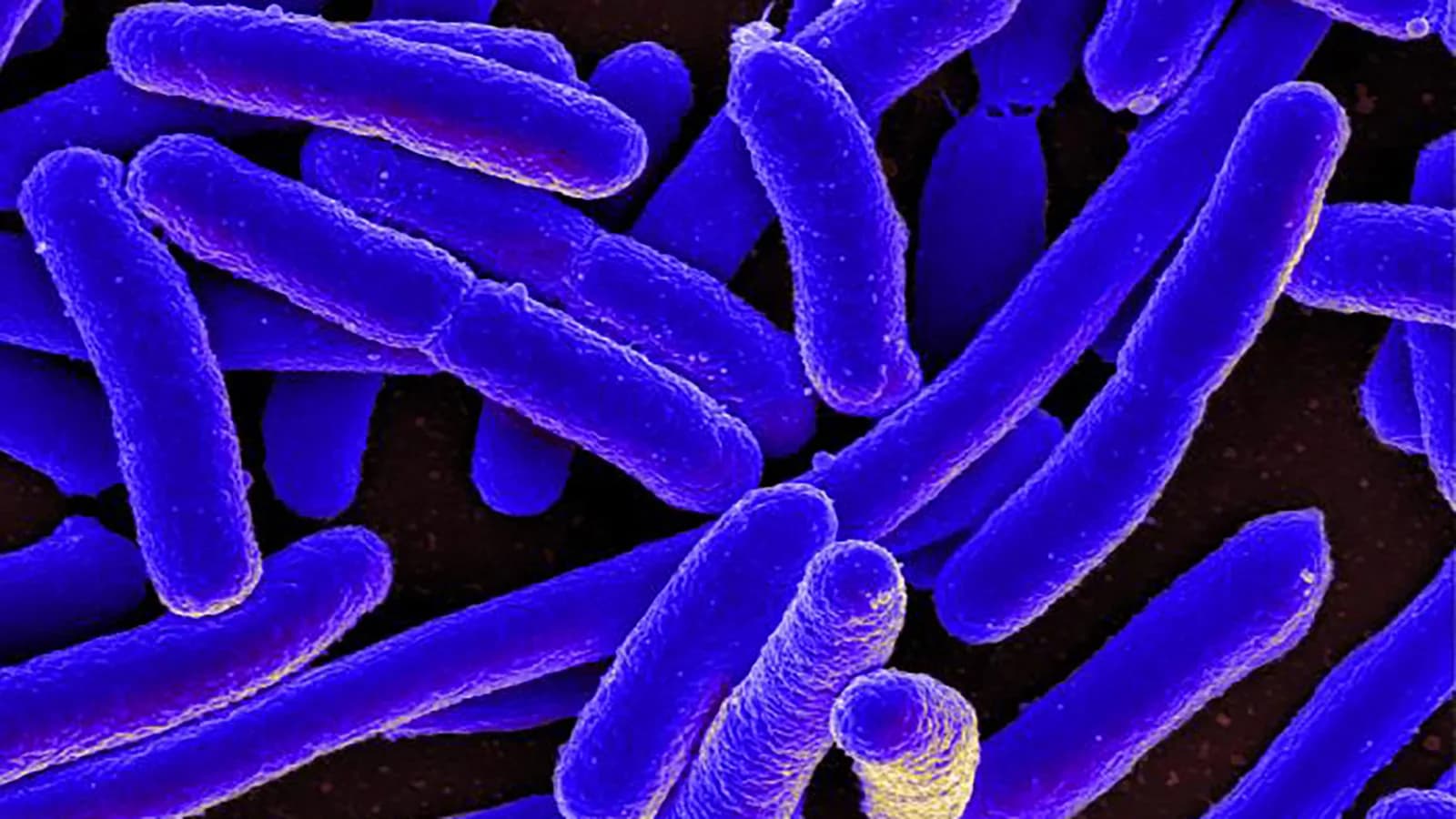
Researchers at Hubei University in Wuhan, China, have engineered two strains of Escherichia coli (E. coli) bacteria that split the job of eating plant sugars and make D-lactate, a plastic building block, with 100 percent optical purity, according to a paper in BioDesign Research.
D-lactate is one mirror-image form of lactic acid, used to make polylactic acid (PLA), a biodegradable plastic. The authors wrote that PLA’s properties depend on its stereochemistry, so optical purity, the share of a sample that is the D form, is a key hurdle. Microbes tend to eat glucose before xylose, two plant-waste sugars, a habit called carbon catabolite repression.
The team used the gene-editing tool CRISPR/Cas9 to build GL10, a glucose-handling strain, and XL12, edited to favor xylose. With 5 grams per liter (g/L) of each sugar, the pair made 3.76 g/L of D-lactate in 36 hours, 5.96 times the amount from unmodified E. coli.
Dividing the sugar work
Single strains can divert carbon into byproducts such as succinate. In the BioDesign Research study, both strains had genes deleted to block routes that make succinate, formate, ethanol and acetate. XL12 also lost two glucose-handling genes, ptsl and glk, which the authors said turned it into a xylose-preferring producer. GL10 alone made 3.15 g/L from glucose, a 63 percent conversion of the sugar supplied.
An outside lab, Wuhan ZymoBiotech, analyzed optical purity, and the study reports 100 percent for the mixed sugar runs. Mixing one part GL10 with five parts XL12 raised output to 4.53 g/L. In corn straw hydrolysate, a sugar-rich liquid made by breaking down plant material, the pair made 5.15 g/L, 41.87 percent more than unmodified E. coli. The liquid was treated with activated carbon first to remove phenolic compounds, which are toxic to E. coli. Other teams have used bacteria for plastics too.
Kobe University engineers used engineered bacteria to make a modifier blended with PLA, and Binghamton University researchers fed bacteria fermented food waste to make a different bioplastic.
Limits and next steps
The pair’s 3.76 g/L sits close to the 3.45 g/L that GL10 made alone in a separate mixed-sugar test, and the fold gains compare against unmodified E. coli, which made little D-lactate, not other engineered strains. Xylose use stayed partial: at the 1:1 ratio, the results text reports 1.22 g/L of the 5 g/L consumed by 36 hours, and at 1:5 only 4.05 percent was used.
The medium acidified to a pH near 4.5 to 5.0, which the authors said may inhibit xylose use. In hydrolysate, sugar use largely stopped after 12 hours, which they said was likely associated with acidification. That 5.15 g/L result used diluted, detoxified liquid, not raw feedstock. XL12 alone still made 0.72 g/L of succinate in mixed sugar, and the main text gives no byproduct figures for the pair. No scale-up tests are reported.
The authors said combining genetic changes with acid-resistance strategies may further improve acid resistance and D-lactate production. The study was published online in BioDesgin Research.
Source: https://interestingengineering.com/science/china-escherichia-coli-d-lactate-sugars
Get the latest news delivered to your inbox.
Related articles