High-density fuel plates built to strip weapons-grade uranium from German reactor
A major hurdle in global nuclear non-proliferation just got smaller inside a specialized manufacturing facility...
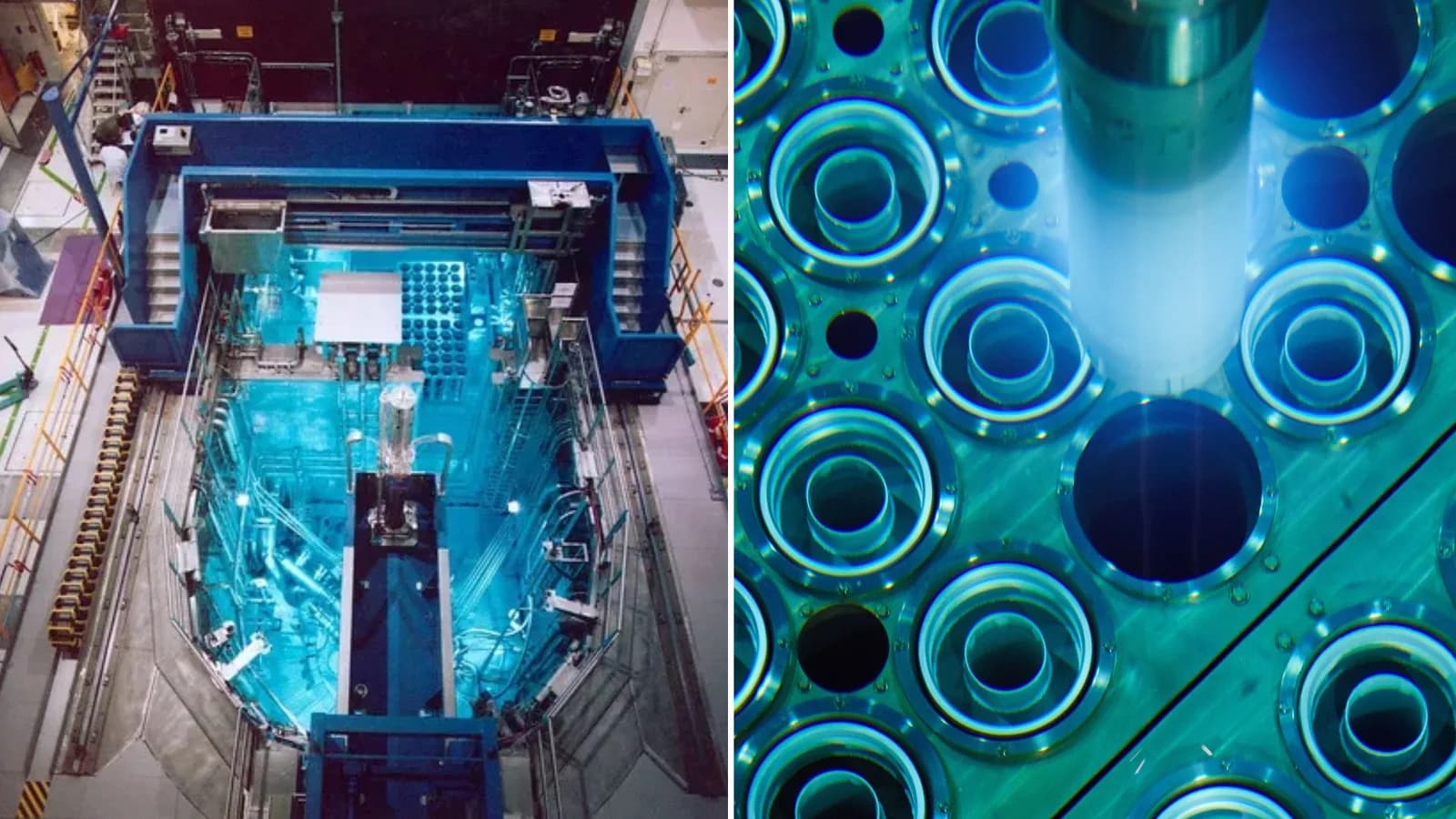
A major hurdle in global nuclear non-proliferation just got smaller inside a specialized manufacturing facility in southeastern France.
French firm Framatome has fabricated its first two depleted uranium fuel plates at its CERCA plant in Romans-sur-Isère. It will finally advance a years-long effort to transition a premier German research reactor away from highly enriched uranium.
Operating since 2005, the 20 MWt FRM II is a premier global source of high-flux neutrons used for scientific research, medical radioisotopes, and semiconductor silicon doping rather than electricity generation. However, achieving that intense neutron output currently requires highly enriched uranium containing over 95% uranium-235. This fuel type is widely viewed as a nuclear proliferation risk.
The new milestone directly supports the conversion program for the Technical University of Munich’s (TUM) FRM II research reactor.
Depleted uranium fuel plates
The Munich-based facility generates dense neutron beams for cutting-edge scientific experiments and life-saving medical radioisotopes. Maintaining that elite performance alongside lower enrichment levels has long been a complex engineering puzzle.
Standard low-enriched fuels simply lack the punch needed to keep the reactor running at peak capacity without major design compromises.
Framatome and TUM solved this problem by developing a molybdenum-uranium (U-Mo) monolithic fuel that packs the highest uranium density ever achieved in Europe. It also keeps uranium-235 enrichment below the 20 percent threshold.
Although these initial depleted uranium plates will never enter an active reactor core, but prove that the complex manufacturing process works at full scale. Producing them at their exact final dimensions confirms that the joint R&D concepts developed since 2019 are ready for heavy industrial production.
“This achievement demonstrates Framatome’s ability to transform an ambitious R&D program into an industrial reality. The successful manufacturing of these first molybdenum-uranium monolithic fuel plates validates the technological choices made together with TUM and represents an important milestone toward the future qualification of the FRM II low-enriched fuel,” said Ralf Gathmann, Vice-President of CERCA at Framatome.
Medical radioisotope supply
The partnership was formalized under a 2024 industrialization agreement. It will now pivot toward live nuclear materials. Engineers will next fabricate a Generic Test Assembly using U-Mo monolithic plates loaded with high-assay low-enriched uranium (HALEU). That assembly is scheduled to undergo extensive irradiation testing in 2028.
The Free State of Bavaria funds the conversion initiative through a direct contract with TUM, with additional support from the European Commission and Euratom via initiatives such as the EU-CONVERSION project.
Once fully qualified, the new fuel will secure Europe’s independent supply chain for advanced research fuels, and permanently reduce reliance on proliferation-sensitive materials.
Apart from nuclear physics, this fuel milestone is important for global healthcare. Europe stands as the world’s largest supplier and consumer of medical radioisotopes. These are basically short-lived radioactive elements used in cancer diagnostics and targeted therapies.
Rapid radioactive decay makes stockpiling these medical tools impossible, leaving hospitals reliant on a just-in-time supply chain. High-power research reactors like FRM II act as key production hubs, generating the intense neutron flux needed to manufacture vital isotopes such as molybdenum-99 and lutetium-177.
Millions of patients need timely scans and treatments, and qualifying this high-density, low-enriched fuel ensures FRM II can maintain its output long-term without triggering severe global shortages.
Source: https://interestingengineering.com/innovation/fuel-plates-to-strip-weapons-grade-uranium
Get the latest news delivered to your inbox.
Related articles