No open pit, no tunnels: How a Chinese uranium site pumps uranium out in solution
A uranium operation in China’s Ili Basin extracts the metal without open pits or tunnels,...
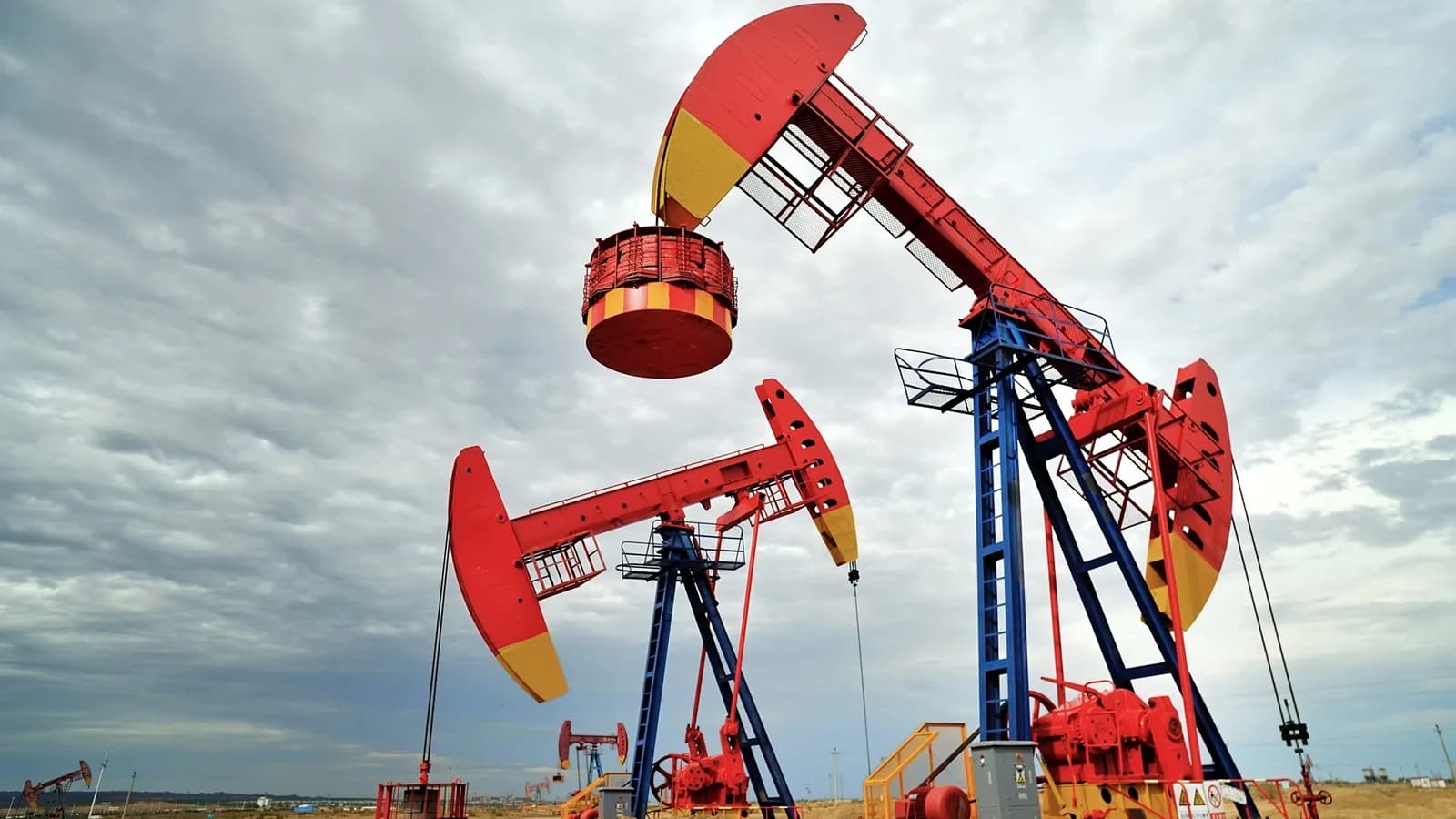
A uranium operation in China’s Ili Basin extracts the metal without open pits or tunnels, using wells to dissolve the ore underground. Global Times described the site in Xinjiang after a reporter visit, relying largely on engineers and managers from China National Nuclear Corporation (CNNC).
Visitors to the valley see no mining scar. A few other rigs stand near grazing sheep. One rig, about six stories tall, stands 66 to 98 feet (20 to 30 meters) from a cornfield.
Hunting a hidden ribbon
Uranium is plentiful in Earth’s crust, averaging about 2.5 grams per metric ton of rock, but it rarely concentrates into ore bodies rich enough to mine. On a geological cross-section, deposits in the Ili Basin look like a ribbon winding through the crust, so drilling slightly too deep or too shallow can miss one.
Prospectors use core drilling rigs to pull up cylindrical rock samples, which technicians check with handheld gamma radiation detectors. The visited rig joins three drill rods, each 15 feet (4.6 meters) long, into a single drill stand using trapezoidal threaded connections. Drilling at a spot does not guarantee uranium is there.
Drilling technician Wang Zhiru, who joined in 1996, handled more than 400 downhole drilling accidents and applied for 21 patents over 29 years.
Dissolving ore in place
Once exploration confirms a deposit is worth developing, the exploration boreholes become the basis for process wells. At Plant 735, blue-numbered posts mark injection wells and red-numbered posts mark extraction wells. The plant was once home to China’s first and largest standalone in-situ uranium leaching demonstration project.
A leaching solution goes down the injection wells into the ore-bearing layer and dissolves the uranium-bearing components. Extraction wells pump the uranium-rich liquid to a hydrometallurgical plant for purification. Plant officials describe it as a closed underground system with no visible tunnel excavation at the surface.
Deputy plant director Tang Yiwei said uranium extraction at the site has moved through three generations. Conventional methods recovered uranium from uranium-bearing lignite starting in 1964, and acid in-situ leaching trials began in 1987. Plant 735 now uses third-generation neutral in-situ leaching, with carbon dioxide and oxygen as the leaching agents.
Tang said some Ili Basin deposits contain high levels of carbonates, which suit neutral leaching. Adjusting the amounts of carbon dioxide and oxygen added can prevent chemical precipitation in the system, he said, making the process efficient and environmentally friendly.
The mining area uses a five-spot well pattern set according to groundwater flow direction. A central control room of more than 1,000 square feet (100 square meters) shows real-time conditions at each injection well and automatically adjusts leaching agent proportions.
Claims and open questions
CNNC says the environmental impact of its mining is fully controllable and calls the approach “green mining.” Those claims come from company representatives, and the report did not cite independent monitoring data on groundwater or land restoration.
Yikebali Xiamixiding, a 23-year-old drilling worker at Plant 735, told the reporter he once worried about drinking water and grassland damage, but said grass regrows where drilling occurred.
CNNC says it prioritizes hiring local villagers and their relatives and that its tax contributions help support local government finances.
Related articles