
Tesla close to making 1,000 Optimus humanoids a week, but robots struggle with tasks
Tesla has reported that it is now in a position to produce hundreds of its...
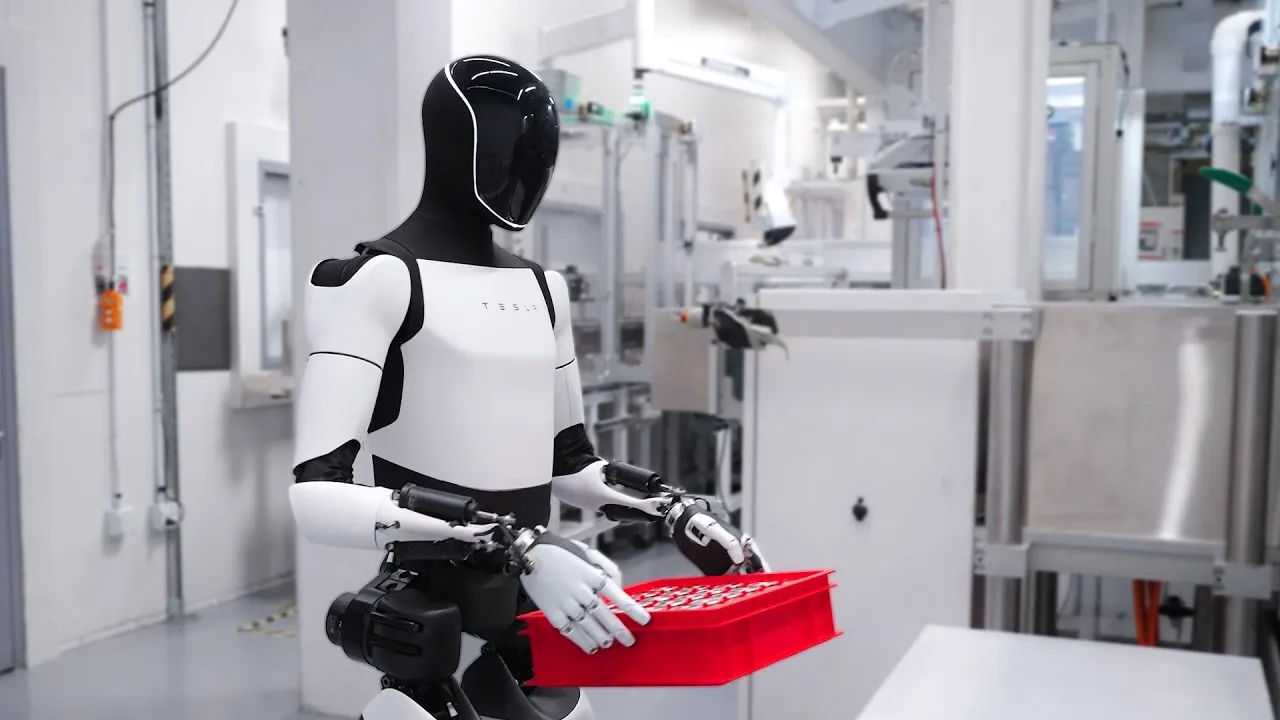
Tesla has reported that it is now in a position to produce hundreds of its Optimus humanoid robots. This, they report, is somewhere in the order of a tenfold increase from 2026 Q2 levels.
According to Tesla, if the current trend in production holds, they should be able to deliver around 1,000 units per week by year-end. But while physical production of robots is on the up, Tesla acknowledged that its Optimus robots are still a far cry from handling generalized tasks.
So, despite being able to produce large numbers of the robots, key issues with task learning still limit their usefulness. The report also highlights issues with suppliers, misaligned parts, and issues with Optimus’ hands.
So, Tesla has found that production volume isn’t the main bottleneck anymore. The apparent issue for Optimus’ rollout is not the body, so to speak, but rather its brain.
Tesla 10x Optimus production
For something like Optimusto be of genuine utility in industry, it needs to be capable of generalization. This means it should “hit the ground running” and handle simple tasks without needing extensive training for tiny variations in tasks.
In an ideal world, a freshly minted Optimus robot should be able to take simple commands and perform tasks much like a newly hired human worker. For example, it should understand and execute a request like “take all those boxes and put on shelf B.”
That relatively simple task will include the need for the robot to handle issues like boxes of different sizes and weights, pick up fallen boxes, walk around obstructions, etc. This is something that Optimus is not currently able to reliably do.
That said, Tesla’s system can perform tasks it has been specifically trained on, but unfamiliar situations can produce unpredictable behavior. But the report says even fairly basic new tasks may take several days of training.
Tesla is reportedly trying to solve this by creating a library of fundamental behaviors (like grabbing, lifting, walking, placing, manipulating) which the “AI brain” can eventually combine into novel actions.
It has reportedly accumulated more than 500,000 hours of training data and is collecting more with motion-capture suits and camera-equipped human workers. But that is only part of Tesla’s woes.
But robots are not reliable enough yet
The other issue is actually mechanical, relating to Optimus’ hands. Human hands are deceptively complex pieces of bioengineering that are capable of fine motor control, tactile sensing, and strength.
Replicating this in metal is a very difficult task and, in the case of Optimus, requires more than 100 separate components. Assembly of them is labor- and time-intensive, and even small errors can result in reworking.
There are also durability problems with touch sensors. Tesla’s proposed solution is apparently a replaceable sensor “glove,” so a failed sensor doesn’t mean replacing the whole hand.
That’s important commercially because a robot isn’t valuable simply because it can perform a job once. It needs to perform that job thousands or millions of times without breaking. For now, then, Tesla’s biggest challenge may no longer be building Optimus at scale, but making those robots useful at scale.
Until they can adapt to new tasks with minimal training and survive the demands of everyday industrial work, mass production alone won’t be enough to make humanoid robots truly transformative.
Related articles
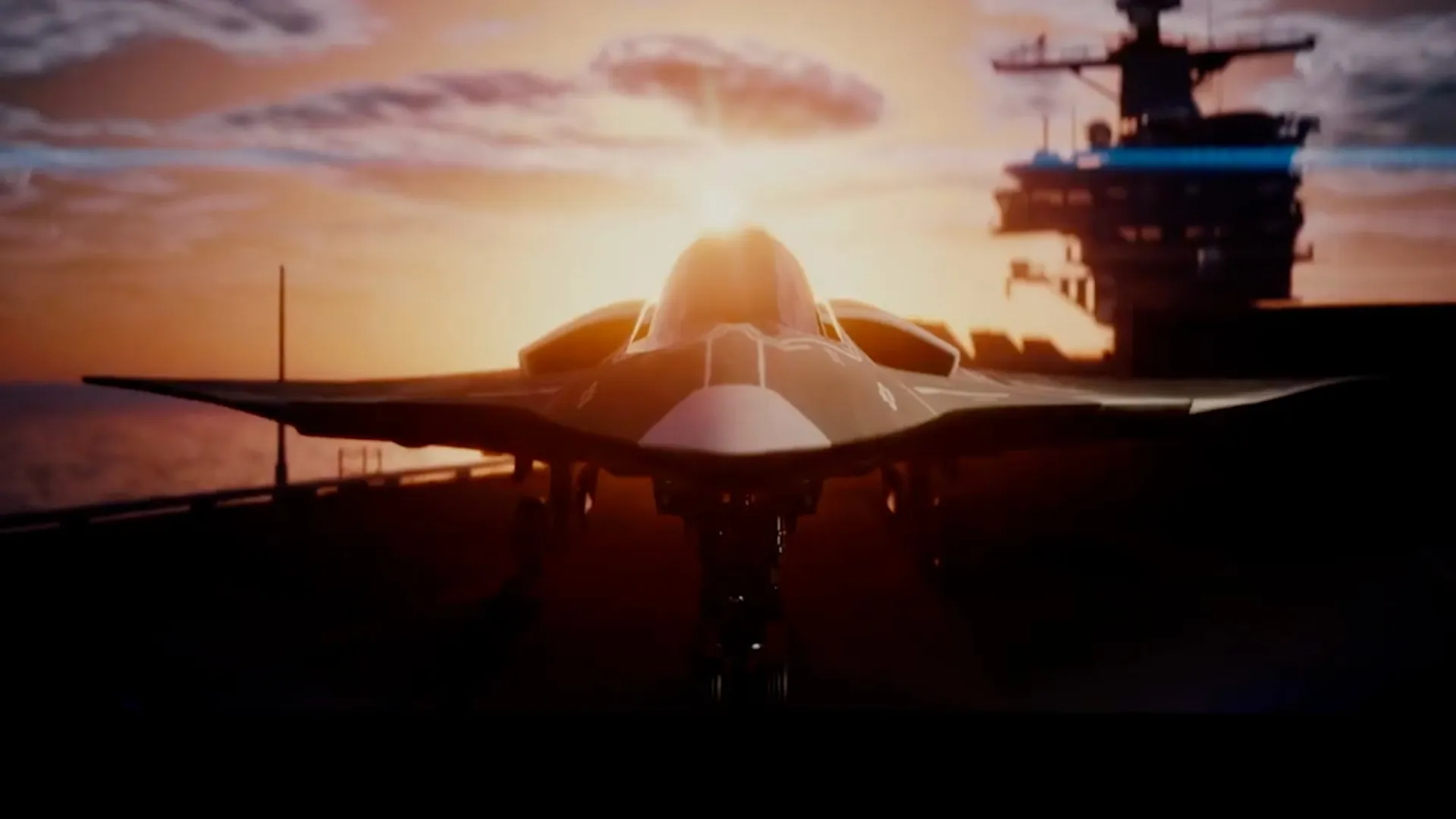
What Northrop Grumman’s F/A-XX concept reveals about the Navy’s future carrier fighter
An aircraft carrier gives a fighter a moving runway, but it also limits the space...
Wind turbines reduce radar coverage by 7% and increase blind spots by 15%, study finds
A new Chinese study has found that offshore wind turbines can confuse shore-based radar systems....
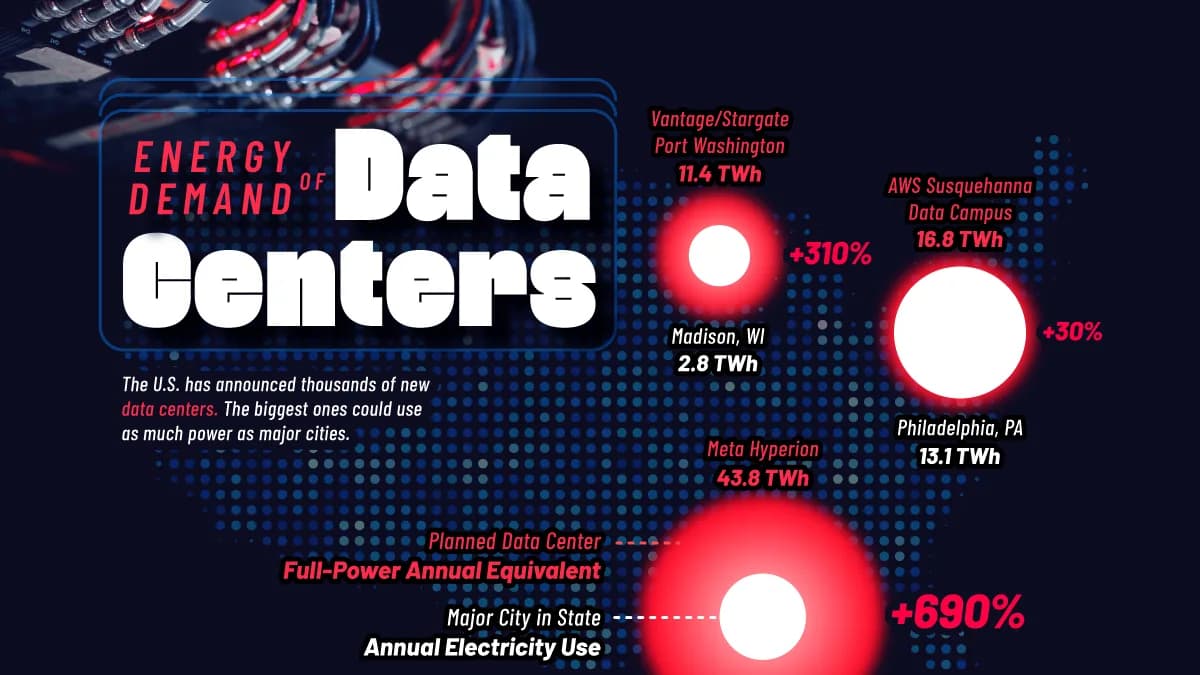
These Data Centers Could Use More Power Than Major Cities
Meta is building a data center in Louisiana which at full power could consume nearly as much energy as New York City.
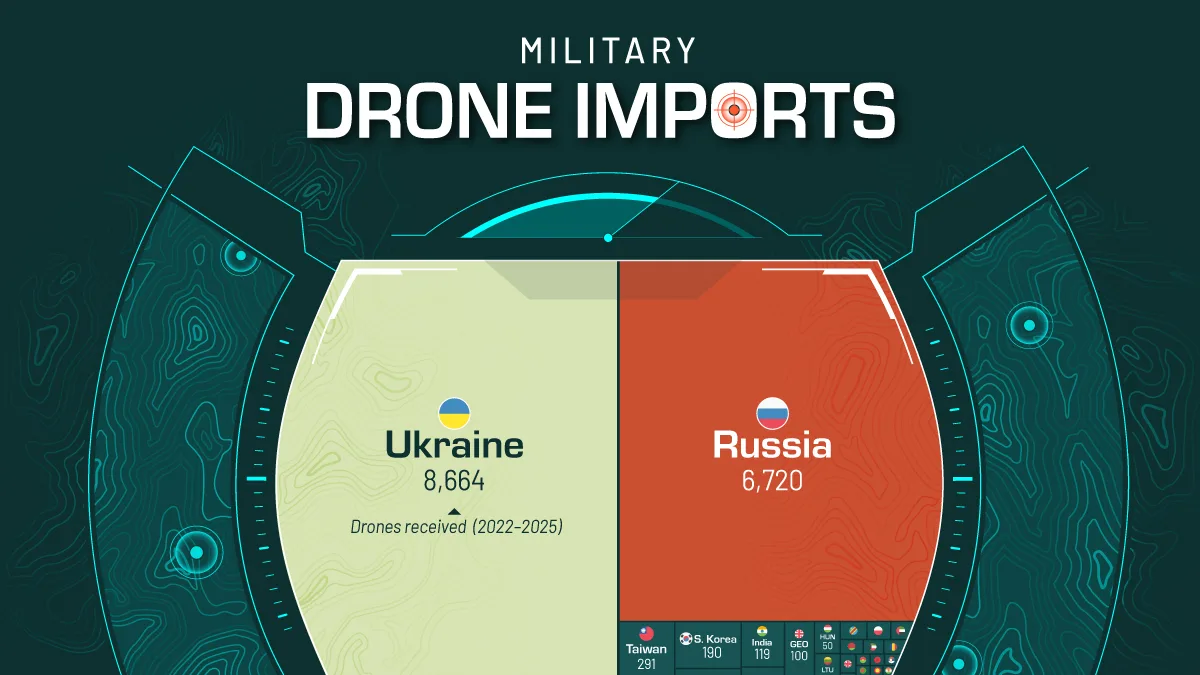
Ranked: Countries Importing the Most Military Drones
Ukraine and Russia received more than 91% of the 16,822 large military drones traded internationally from 2022 to 2025.

Can an ‘eSUV’ e-bike really go from trail to town?
Have you ever wanted an electric bike that easily transitions from the drudgery of urban asphalt to adventures in gravel and dirt?
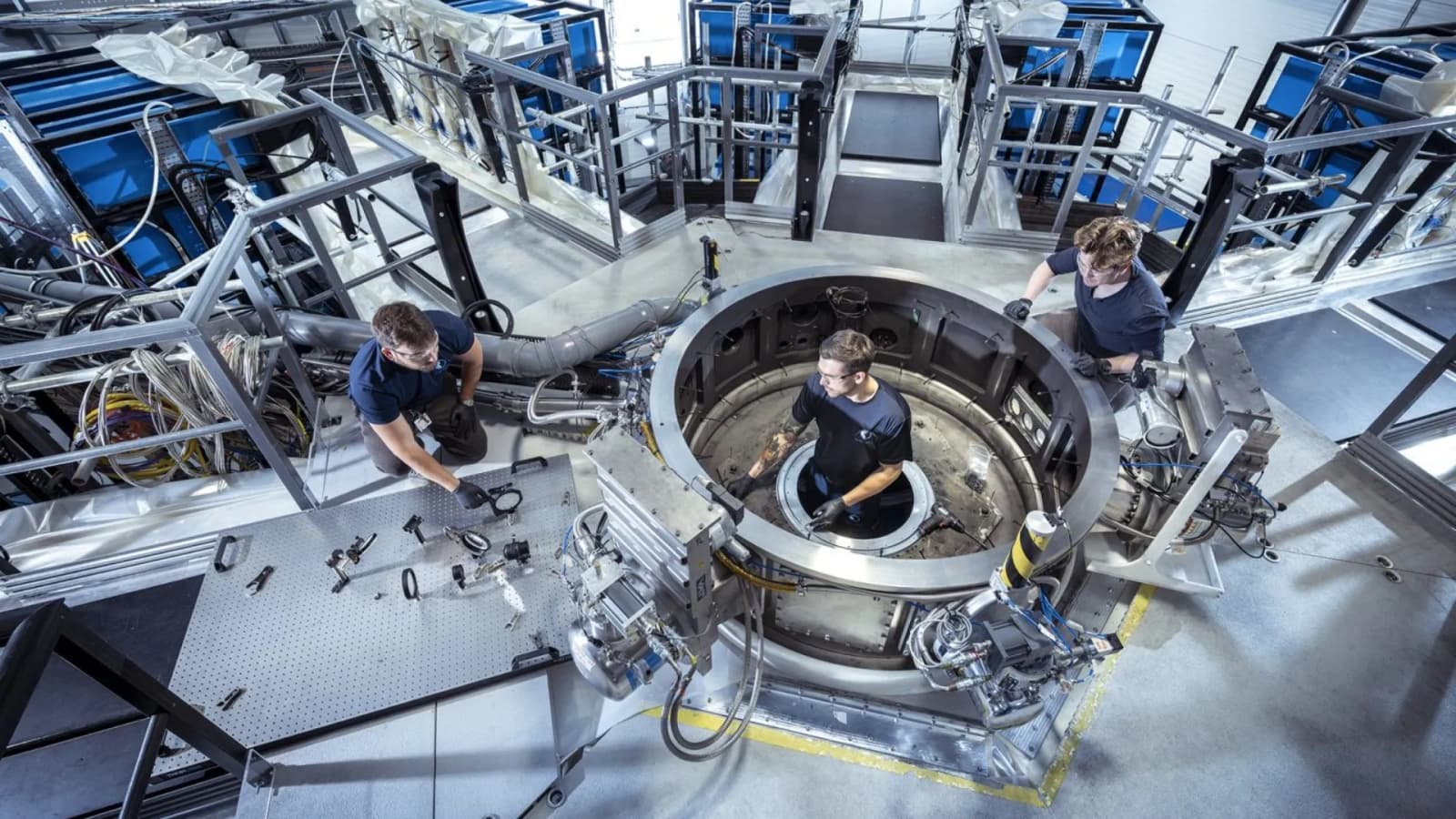
Commercially viable fusion energy that delivers limitless clean power could be closer to reality
A British company has demonstrated the key fuel compression principle underpinning FLARE, its proprietary approach...