
Trump unveils Korea-backed $200B US energy plan with 8 reactors, 6.5-GW Texas plant
President Donald Trump has unveiled plans for up to $200 billion in South Korean investment...

President Donald Trump has unveiled plans for up to $200 billion in South Korean investment in U.S. energy infrastructure, including eight large nuclear reactors, a nearly 6.5-gigawatt Texas power complex and the long-planned Alaska LNG project.
The package could channel billions of dollars into U.S. power generation as electricity demand rises from data centers and manufacturing. It forms part of South Korea’s broader $350 billion U.S. investment commitment tied to a trade agreement with Washington.
“We’re thrilled to announce one of the largest energy infrastructure investments in American history,” Trump said.
The first formal investment is a $22.3 billion combined-cycle gas power complex in Encinal, Texas. Known as Project Star, the 6,472-megawatt development is designed to deliver electricity directly to nearby data centers, with initial commercial operations expected in 2029 and the full complex targeted for 2032.
Texas power feeds data
U.S. property developer Related Companies and power producer NextEra Energy will lead the project, while Texas-based Lewis Energy Group will provide the site, natural gas, water and other infrastructure.
South Korean companies are expected to seek contracts covering equipment, engineering, construction and long-term maintenance.
The package could also support one of the largest proposed expansions of U.S. nuclear capacity in years. Project Power establishes a framework for up to $120 billion for eight large reactors: six Westinghouse AP1000 units and two South Korean-designed APR1400 reactors.
Six gigawatt power generation facility. Eight new large scale nuclear power plants. The crucial Alaska LNG plant.
The Dealmaker-in-Chief, President Trump, has revolutionized American energy. The Trump Administration is ushering in a new era of American energy dominance. pic.twitter.com/jm2jK70ytM
— The White House (@WhiteHouse) September 30, 2026
Construction is proposed in three stages, while about $100 billion would cover construction and another $20 billion would be held as contingency reserves. The countries have also discussed an advance payment of up to $10 billion to secure long-lead components such as reactor vessels, steam generators and reactor coolant pumps.
The framework, however, does not mean all eight reactors have been approved for construction. Individual sites, ownership structures and schedules remain undecided, and each project will require separate commercial assessments and approvals.
The nuclear push comes as the U.S. looks for significantly more electricity to serve expanding data centers and manufacturing facilities. The Trump administration has also been pushing to increase domestic nuclear generation.
Alaska pipeline gets boost
Trump also highlighted the Alaska LNG project, a decades-old proposal to move natural gas from Alaska’s North Slope through an approximately 800-mile pipeline to a liquefaction and export facility in Nikiski.
The project is designed to transport roughly 3.9 billion cubic feet of natural gas per day and produce up to 20 million metric tons of LNG annually, according to the White House. The fuel could then be shipped to Asian markets.
Alaska LNG has struggled for years with financing, high projected costs and questions over commercial viability. South Korea has not given the project an unconditional green light and says its participation will depend on the economics.
“It is true that the project has a weaker commercial case,” South Korean Industry Minister Kim Jung-kwan said. “But from a strategic perspective, we need to examine it because South Korea’s gas supply routes are highly vulnerable.”
“We have agreed with the United States that we will not proceed unless the project is commercially viable,” Kim added.
Together, the Texas, nuclear and Alaska proposals are expected to account for most of the $200 billion investment commitment, potentially adding major new gas, nuclear and LNG infrastructure across the U.S.
Related articles
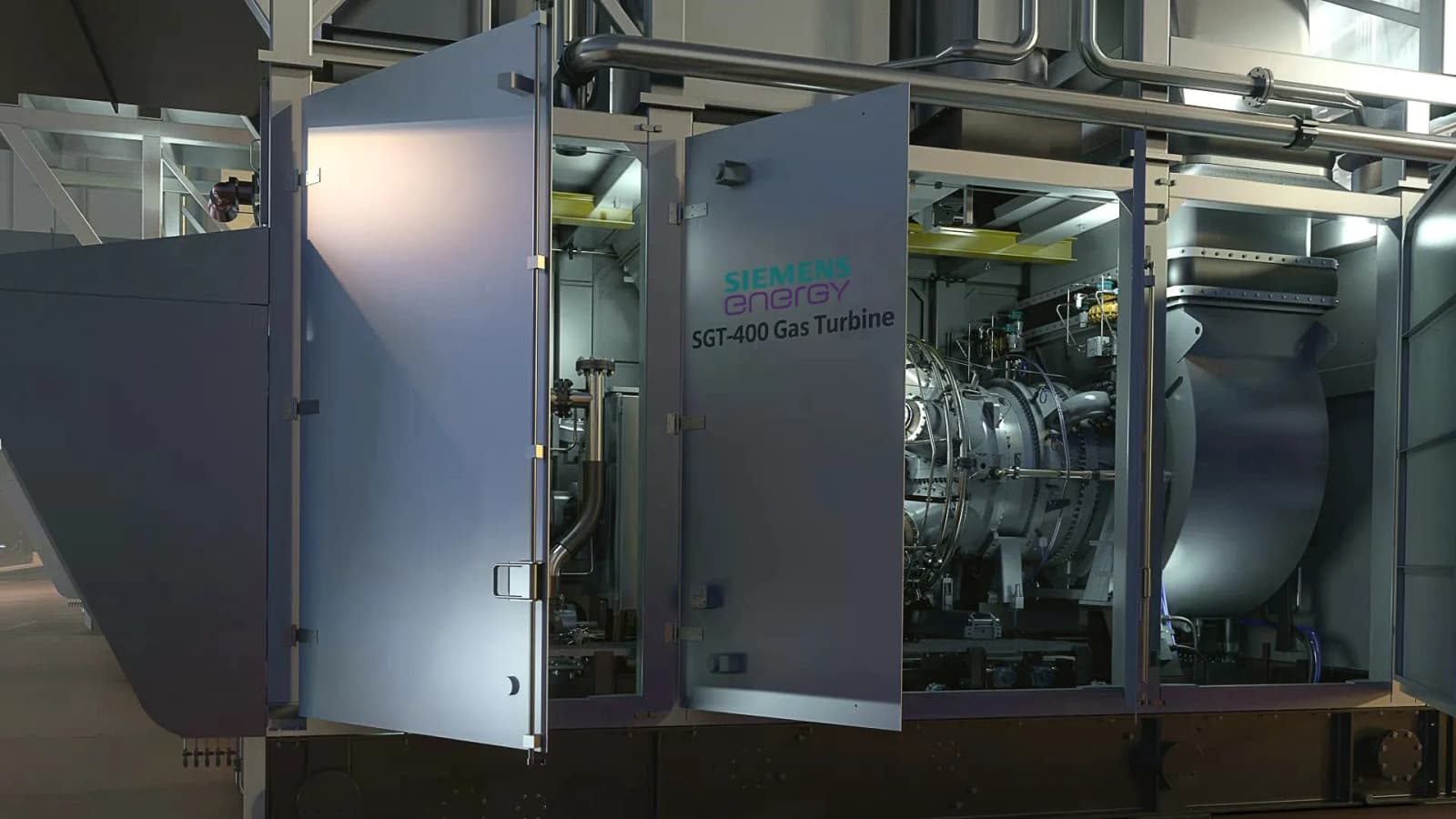
119 gas turbines to bring 1.7 GW of rapidly deployable power to US data centers
Siemens Energy will supply 119 gas turbine cores for mobile power systems in the United...

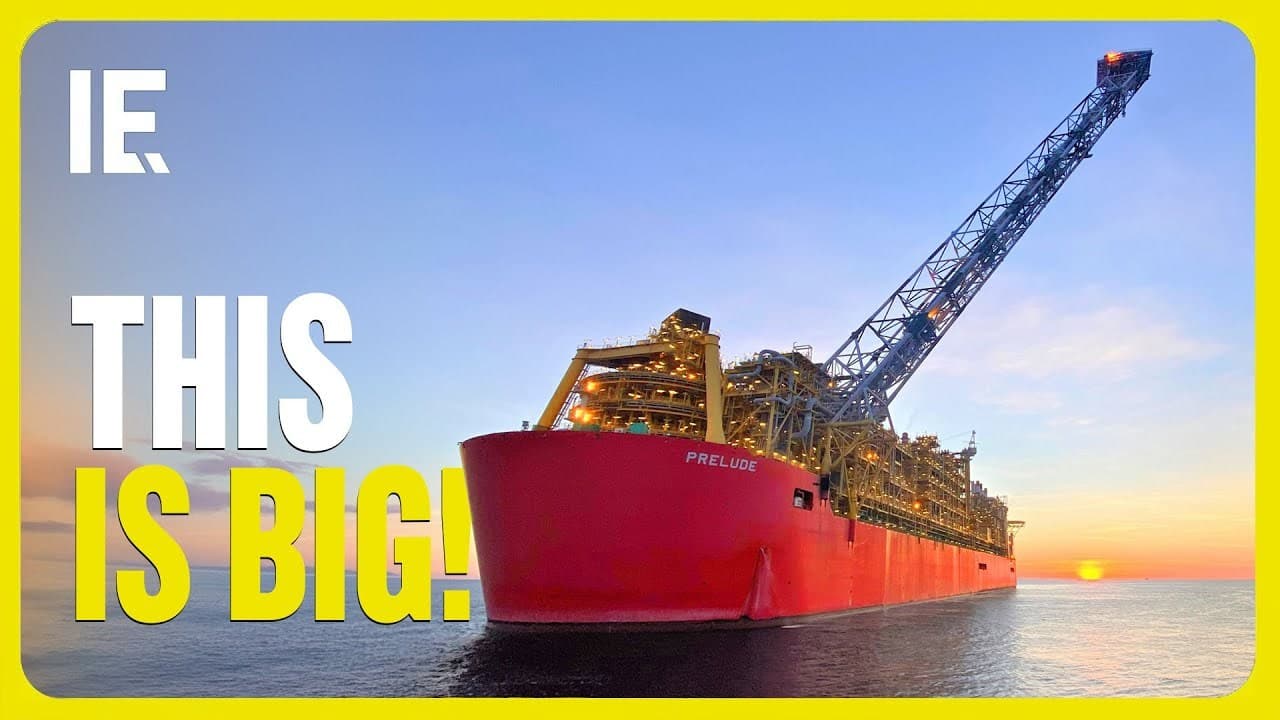
World’s largest pile-driving ship departs China for Brazilian bridge project
In the churning, deep waters of the Bay of All Saints, conventional construction equipment doesn’t...

A cut cable disrupted hundreds of flights across the US
Hundreds of flights were cancelled or delayed on Monday after construction crews in New Jersey accidentally cut a Verizon fiber cable used for air traffic control. FAA Administrator Bryan Bedford said that a circuit failure led to the discovery of the severed fiber cable, ABC News reports. The outage hammered airports across the Northeast, causing […]

Bhuwan Bhaskar Agrawal
Bhuwan Bhaskar Agrawal Bhuwan has more than 26 years of experience spanning Asia, North and South America, Europe, and Africa. He has led multinational professional teams, managed projects, conducted studies, and advised multilateral agencies, governments, lenders, and developers on various transport and logistics projects, including several PPP projects. He has been supporting ADB on the SASEC program, economic corridors, logistics, and multi-country transport model development. His prior roles have included Head of Aviation at Louis Berger India and Egis India, a management associate at Steer Group, and technical lead and project management lead on various projects. Bhuwan holds a doctorate and a master's degree from Northwestern University in the US, and a bachelor's from the Indian Institute of Technology in Delhi. pmcayetano Mon, 09/21/2026 - 11:21 Transport and Logistics Specialist Guest Blogger Topic Expertise [Transport](https://blogs.adb.org/subjects/transport)