
US military credentials at risk of hijacking via connected card readers, NSA warns
A National Security Agency (NSA) spokesperson said malicious cyber actors have developed malware that targets...
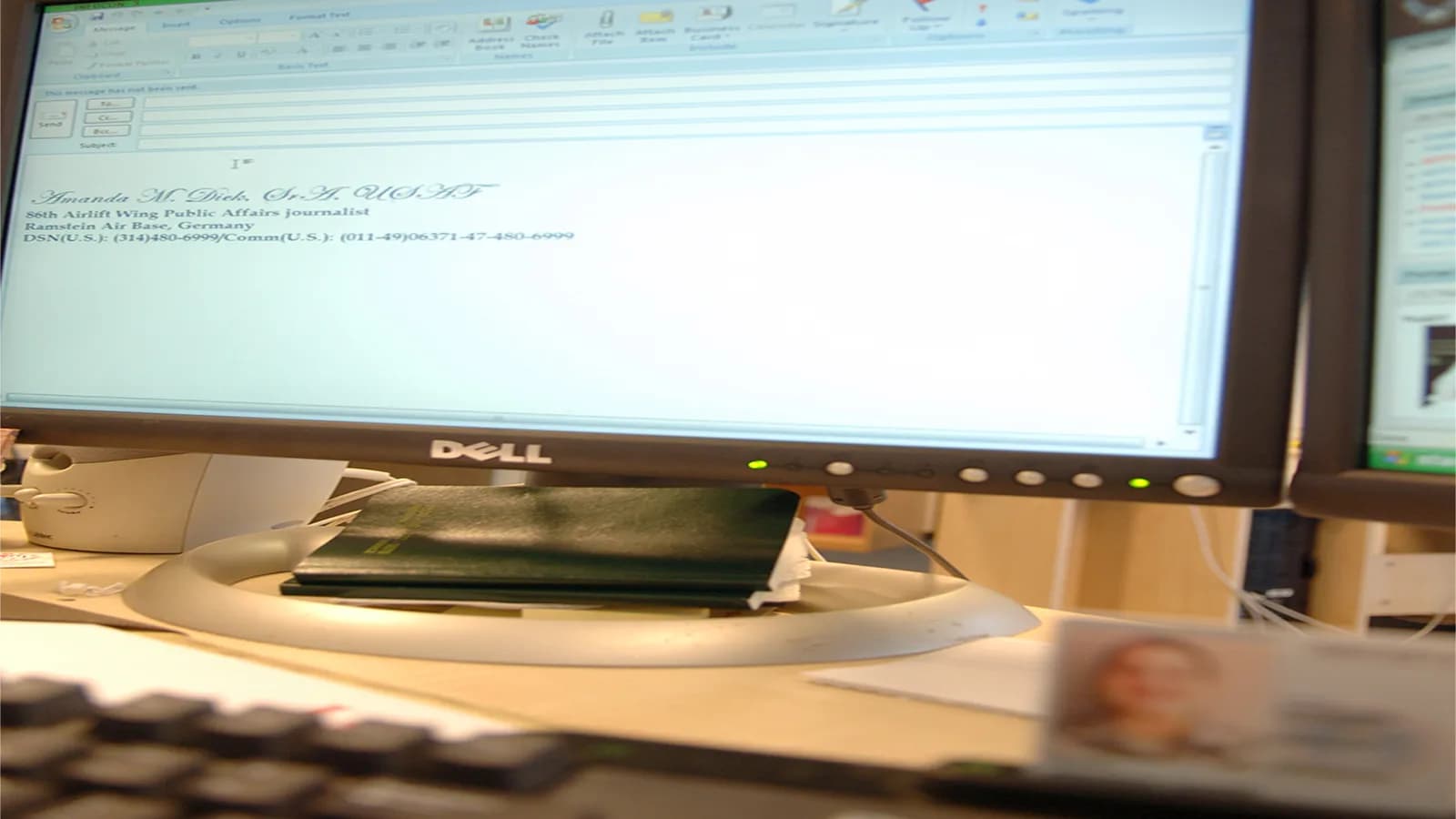
A National Security Agency (NSA) spokesperson said malicious cyber actors have developed malware that targets personal computers when a common access card (CAC) sits in a connected card reader, according to a Nov. 16 Department of War news story.
The CAC is commonly used by security-cleared personnel to access classified systems, according to the story. Most employees use a government-issued computer with a reader, but many also have one on a personal computer, typically for work email after hours or CAC-enabled websites. While the card stays in the reader, the spokesperson said, the malware can use its credentials, often reaching anything the cardholder can normally access.
The Department of War’s chief information officer and the NSA recommend that cardholders limit where they use the card and remove it every time they step away. The report does not name the malware or say when it was found.
How the malware uses the card
The card’s credentials are secure and cannot be removed from it, the Pentagon News story said. But once the card is unlocked with a personal identification number (PIN) that the malware has recorded, the malware can use the credentials to log in to federal and Department of War websites while the card stays in the reader, according to the spokesperson. Many of those sites hold sensitive information open to anyone who can log in with a CAC.
The spokesperson offered possible routes in and called them only possibilities. Employees could be singled out with phishing emails, which are messages meant to trick readers into opening a malicious link or file. Attackers could also infect many computers or home network devices, then target ones that visit military websites. Another route is a “watering hole” or drive-by compromise, where an infected website of interest to Department of War personnel infects visitors.
In the end, the spokesperson said, a computer is compromised, probably through phishing or by exploiting a known flaw in software that hasn’t been updated.
What is still unknown
The story rests on one unnamed NSA spokesperson. It names no attacker and describes no specific intrusion, and gives no count of affected computers. The story says the threat is not hypothetical and is being used by bad actors. “It is a significant concern,” the spokesperson said, adding that smart card malware cases have been publicly documented for many years, though the report cites none.
The same technique would work against other credentials, the spokesperson said, because malware on a compromised computer can use whatever credentials the computer can reach. The advice is to minimize which computers a CAC touches and for how long.
The report says efforts such as the Zero Trust Strategy, which assumes networks may already be compromised and keeps verifying users and devices, are shoring up defenses, though securing every avenue may be impossible. It lists general practices, including updating operating systems and applications and being wary of suspicious emails and links, and points readers to NSA’s website for guidance. The Department of War published the Pentagon News piece Nov. 16.
Source: https://interestingengineering.com/military/nsa-cac-malware-warning-personal-computers
Get the latest news delivered to your inbox.
Related articles