121-mile pure hydrogen pipeline with 100,000-ton capacity enters service in China
China’s first pure hydrogen pipeline transporting green hydrogen over more than 62 miles (100 km)...
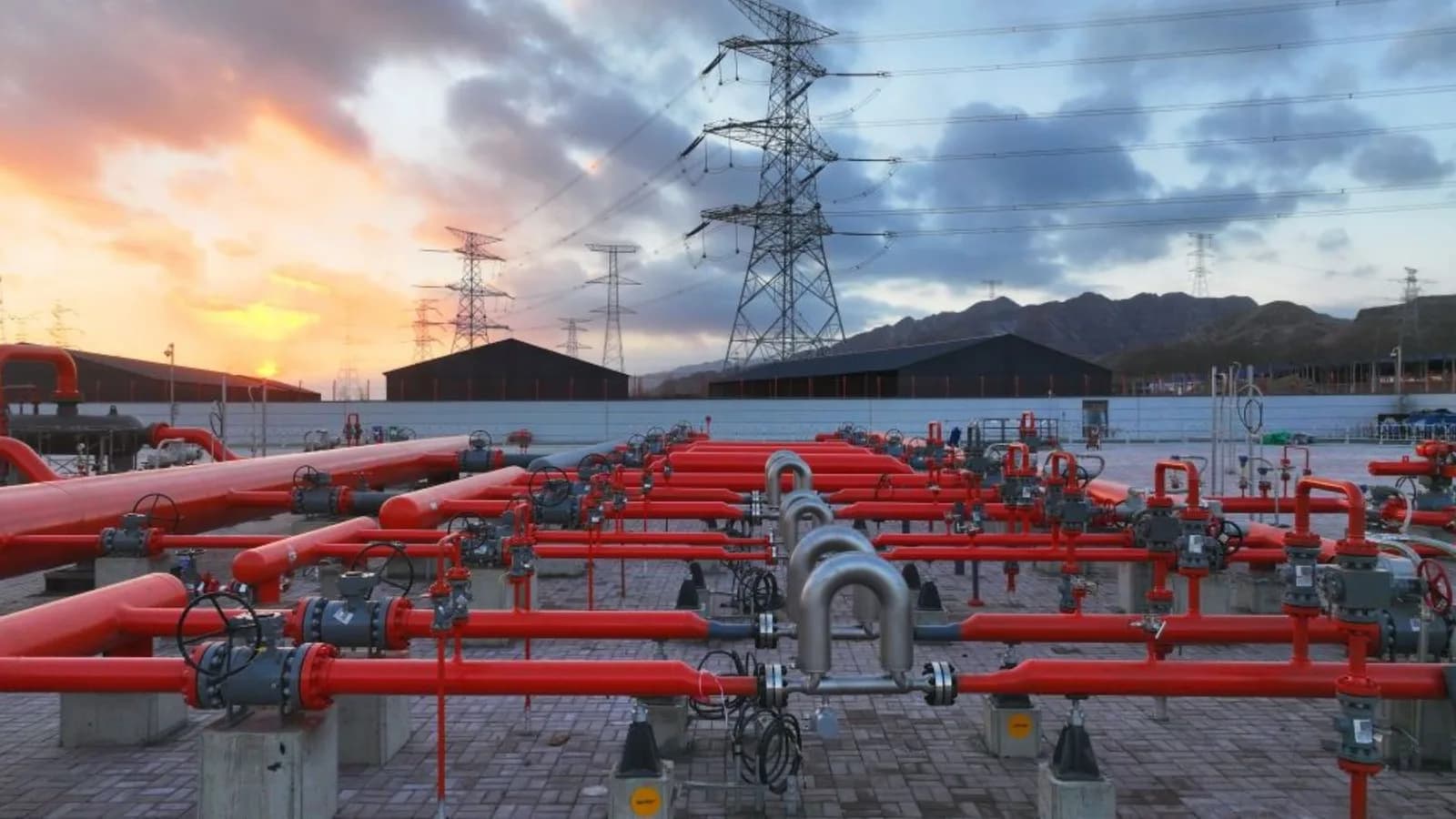
China’s first pure hydrogen pipeline transporting green hydrogen over more than 62 miles (100 km) has entered service in the industrial city of Baotou in north China’s Inner Mongolia Autonomous Region.
The 121-mile (195-km) pipeline is expected to significantly lower the cost of moving hydrogen from production sites to industrial users, with transportation costs projected to fall by about 77 percent once the project reaches its designed capacity.
According to the state news agency, the National Energy Administration selected the project as one of the country’s first hydrogen-energy pilot projects. The start of operations was announced during the 2026 Hydrogen Energy Industry Development Conference held in Baotou on Thursday, November 19.
Wind, solar farms power green hydrogen production
The pipeline transports green hydrogen from a production facility in Darhan Muminggan United Banner to industrial customers in Baotou. It currently supports an annual green hydrogen production capacity of about 7,800 tonnes, marking an important step toward building dedicated hydrogen infrastructure for China’s growing clean-energy sector.
The project also takes advantage of Inner Mongolia’s abundant renewable energy resources. Large-scale wind and solar farms in the region generate the electricity needed to produce green hydrogen through water electrolysis. According to Baotou Mayor Meng Qingwei, the fuel will help decarbonize established industrial sectors, including chemical manufacturing, metallurgy, industrial gases, and transportation.
“This will help expand the use of green hydrogen in chemicals, metallurgy, and transportation, while providing valuable experience for the construction and operation of large-scale pure hydrogen pipelines,”said Wang Xinyu, a director of project developer Inner Mongolia Huadian Hydrogen Energy Industry Technology Development Co., Ltd.
Although the pipeline has only begun supplying hydrogen, it was designed with considerable room for expansion. At full capacity, it will be able to transport up to 100,000 tonnes of hydrogen annually. Project officials estimate that the cost of transporting green hydrogen could fall from around $1.94 per kilogram to approximately $0.45 per kilogram, pegging a reduction of about 77 percent. Authorities, however, have not indicated when the pipeline is expected to reach its maximum operating capacity.
Overcomes transport bottlenecks
The project also addresses one of the biggest challenges facing the emerging hydrogen economy: transportation. As countries around the world accelerate efforts to decarbonize heavy industry and diversify their energy systems, hydrogen has become an increasingly important part of long-term energy strategies. Yet moving the gas efficiently remains difficult. Transporting hydrogen by road using tube trailers is expensive and limited in volume, while dedicated pipelines require specialized materials and engineering to handle the fuel safely.
Unlike natural gas, hydrogen molecules are extremely small and can diffuse into steel, causing a phenomenon known as hydrogen embrittlement that can weaken pipelines operating under high pressure.
To overcome this challenge, Baotou Iron and Steel Group developed specialized anti-hydrogen-embrittlement steel specifically for the project. Engineers also tackled a series of construction challenges, including difficult geological conditions, mountainous terrain, and the demanding welding and corrosion-protection requirements associated with high-pressure hydrogen pipelines.
The completion of the pipeline also aligns with China’s broader hydrogen ambitions. According to official figures, the country produced more than 39 million tonnes of hydrogen in 2025, making it the world’s largest producer and consumer of the fuel.
China outlined its long-term hydrogen strategy in 2022 through the National Hydrogen Energy Development Plan (2021-2035). The plan aims to establish an orderly nationwide hydrogen industry by 2030 while accelerating the production and use of renewable hydrogen to help meet the country’s carbon peaking and carbon neutrality goals.
Infrastructure projects such as the Baotou pipeline are expected to play an important role in connecting renewable hydrogen production with industrial demand, reducing costs, and supporting wider commercial adoption across multiple sectors.
Get the latest news delivered to your inbox.
Related articles