
8,157-ton nuclear powered submarine leaves UK shipyard for first sea trials
HMS Agamemnon, the Royal Navy’s newest nuclear-powered attack submarine, has left BAE Systems’ Barrow-in-Furness shipyard...
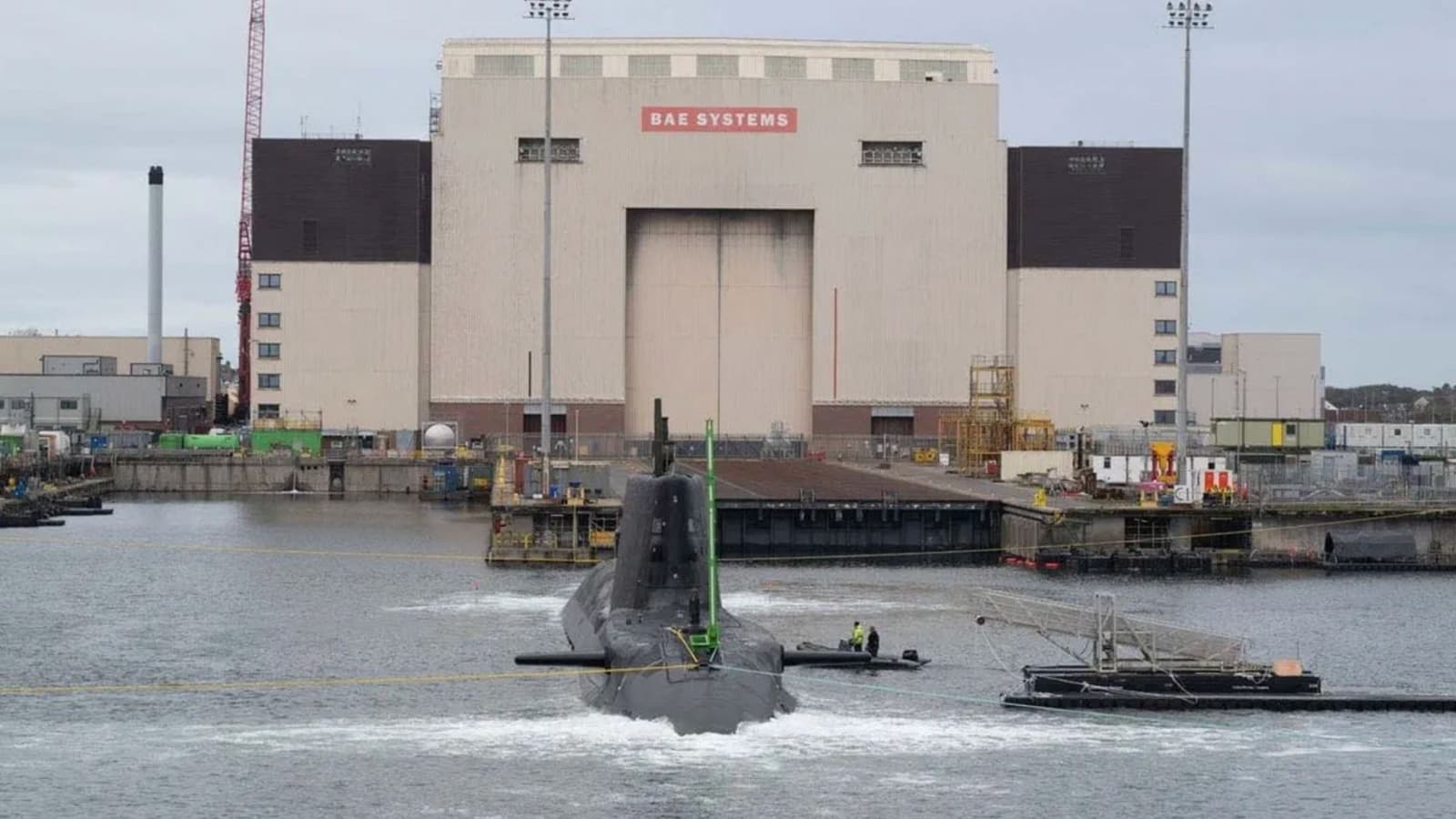
HMS Agamemnon, the Royal Navy’s newest nuclear-powered attack submarine, has left BAE Systems’ Barrow-in-Furness shipyard for the first time. She is heading to HM Naval Base Clyde in Scotland, where she will undergo trials and crew training before joining the operational fleet.
The voyage comes more than 13 years after her keel was laid in July 2013. Although Agamemnon was commissioned in September 2025, she remained at the shipyard while work on her reactor plant and other systems continued.
The submarine is the sixth of seven planned Astute-class boats for the Royal Navy.
A long road to the first voyage
When the submarine’s name was announced in 2013, the UK Ministry of Defence expected her to enter service in 2022. Her first departure from Barrow comes more than four years after that original target.
Agamemnon was rolled out of the shipyard’s Devonshire Dock Hall in October 2024. King Charles III commissioned her into the Royal Navy on September 22, 2025, but the ceremony did not mark the end of testing at Barrow.
Over the following year, work included testing and commissioning her reactor plant and completing other final tasks.
The submarine conducted her first trim dive in October 2025, allowing her crew and builders to assess how she behaved in the water. She has now sailed from the shipyard one year and two days after her commissioning.
Trials before operational service
Once Agamemnon reaches Faslane, she will begin an extensive programme of sea trials, weapons testing and crew training. Leaving the shipyard is a major milestone, but it does not mean the submarine is ready for operational deployments.
HMS Anson, the previous Astute-class submarine, offers an indication of how long the process could take.
Anson left Barrow on February 19, 2023, and subsequently underwent trials in UK waters and at the US Navy’s AUTEC test range in the Bahamas. She became fully operational around June 2024.
A similar timetable would place Agamemnon’s operational readiness in the latter part of 2027.
That remains an estimate: the Ministry of Defence does not disclose planned in-service dates for individual submarines, and Agamemnon’s own trials will determine her progress.
A new boat amid a gap at sea
Agamemnon’s departure follows a period in which no operational Royal Navy attack submarine was known to be underway.
HMS Anson returned from an Indo-Pacific deployment to Devonport on May 27, 2026, and has remained alongside. That left a 120-day gap before Agamemnon sailed, although the new submarine is not yet operational.
HMS Audacious, another Astute-class submarine, is nearing the end of a maintenance period at Devonport and is expected to return to sea in the near future.
At 97 metres long and displacing 7,400 tonnes, Agamemnon carries Spearfish heavyweight torpedoes and Tomahawk land-attack cruise missiles. She is the sixth Royal Navy vessel named for Agamemnon, the legendary Greek king who commanded forces in the Trojan War.
Related articles

Can Apple Home’s AI camera features outsmart Amazon’s and Google’s? I put them to the test
A few years back, I was at a beachside Easter egg hunt, watching my kids dash through sand dunes searching for sweet treats. My phone buzzed in my pocket; I ignored it.
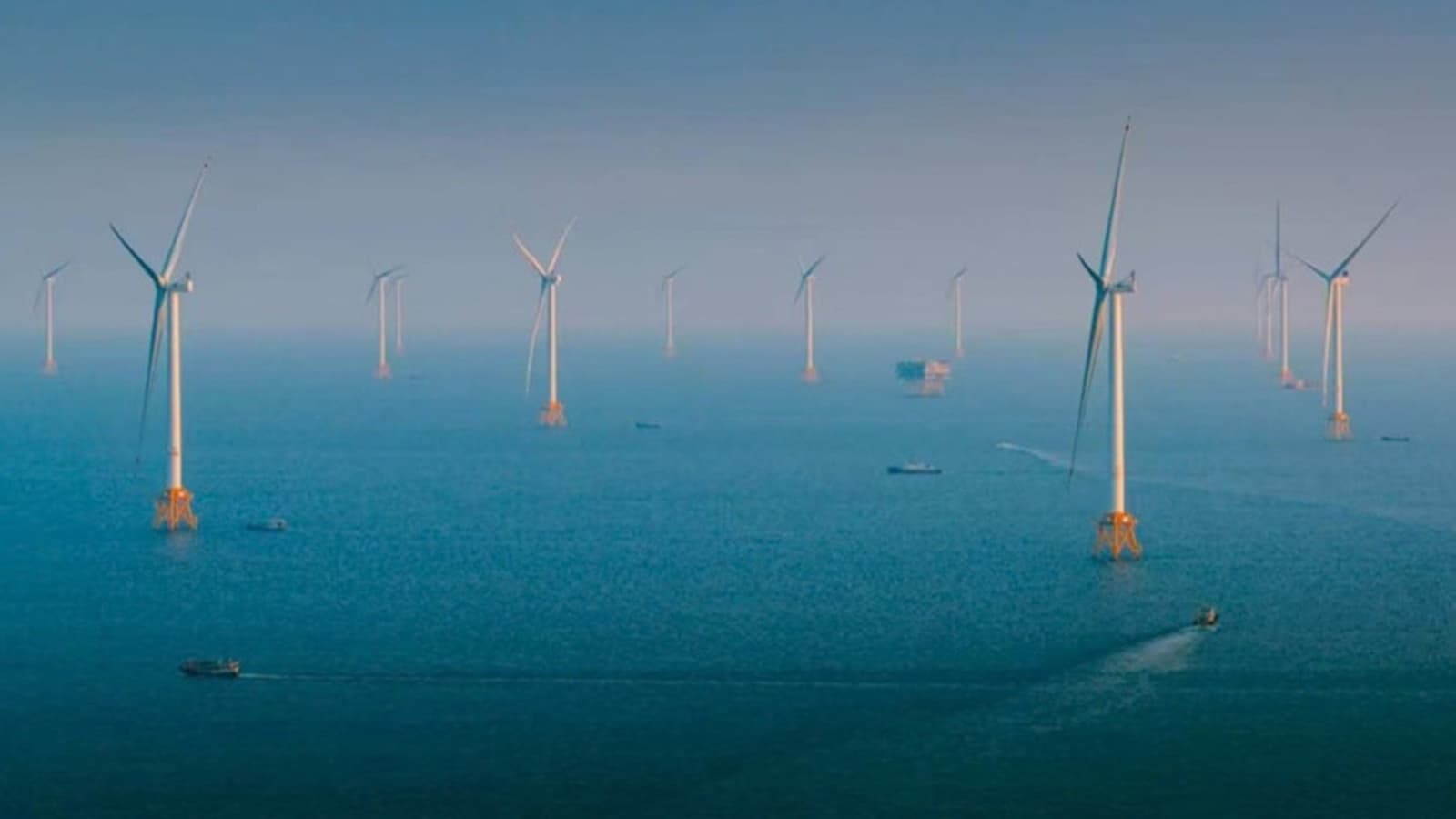
With 33 18-MW-class turbines, China’s largest wind farm promises 6.6 billion kWh yearly
China’s first large-scale offshore wind power project built around 18-megawatt ultra-large turbines reached full-capacity operation...
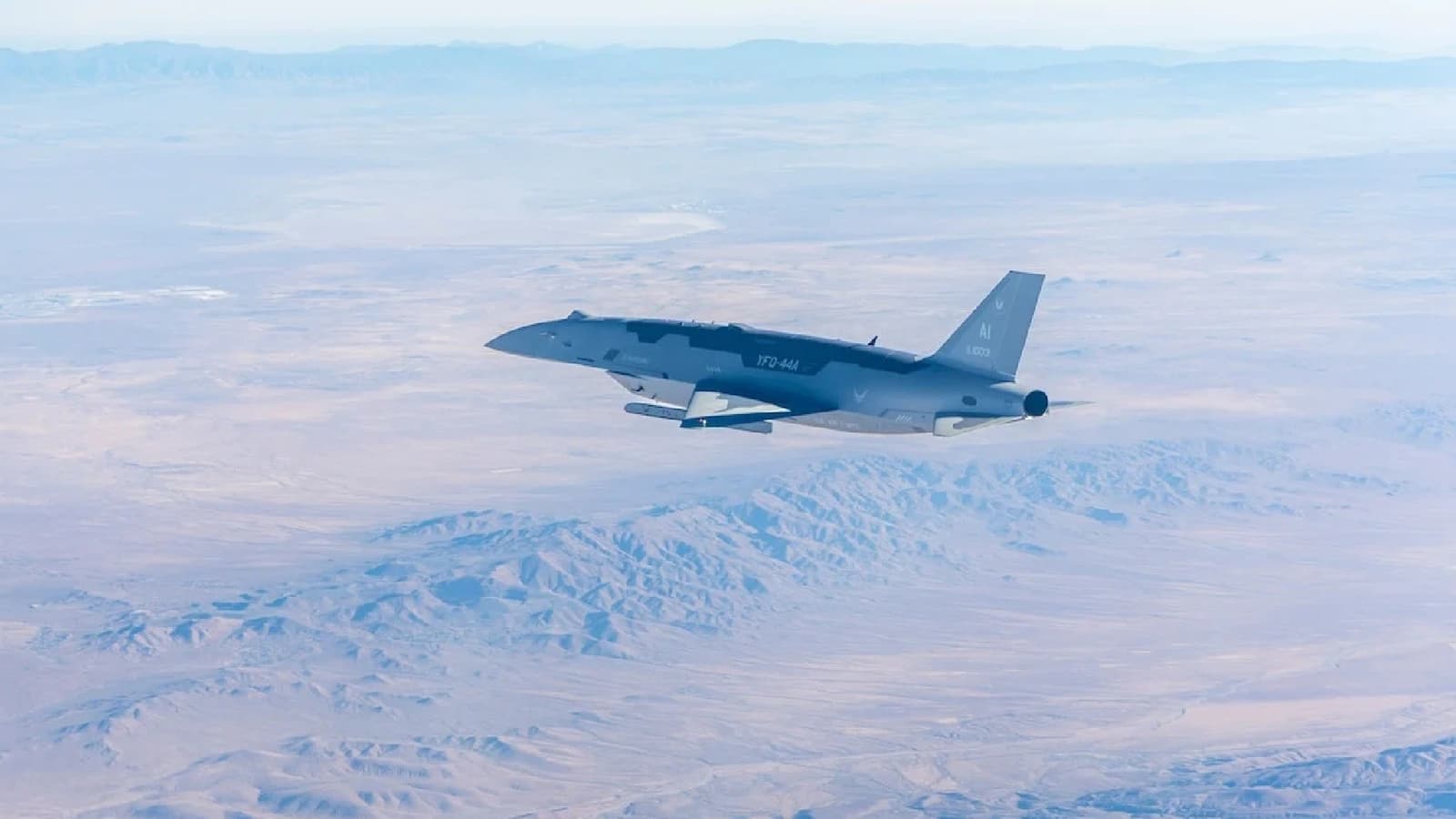
US Air Force begins operator-led testing of YFQ-44A Fury and YFQ-42A Vengeance drones
The U.S. Air Force has received its first two Collaborative Combat Aircraft at Creech Air...

California based plant to produce 500 tonnes of rare earth metal annually
Solcoa Industries has raised $75 million to build a commercial rare earth metalmaking plant in...

Google’s Project Suncatcher moonshot to send AI chips into space for first time
Google plans to send a prototype satellite carrying four of its AI chips into low...
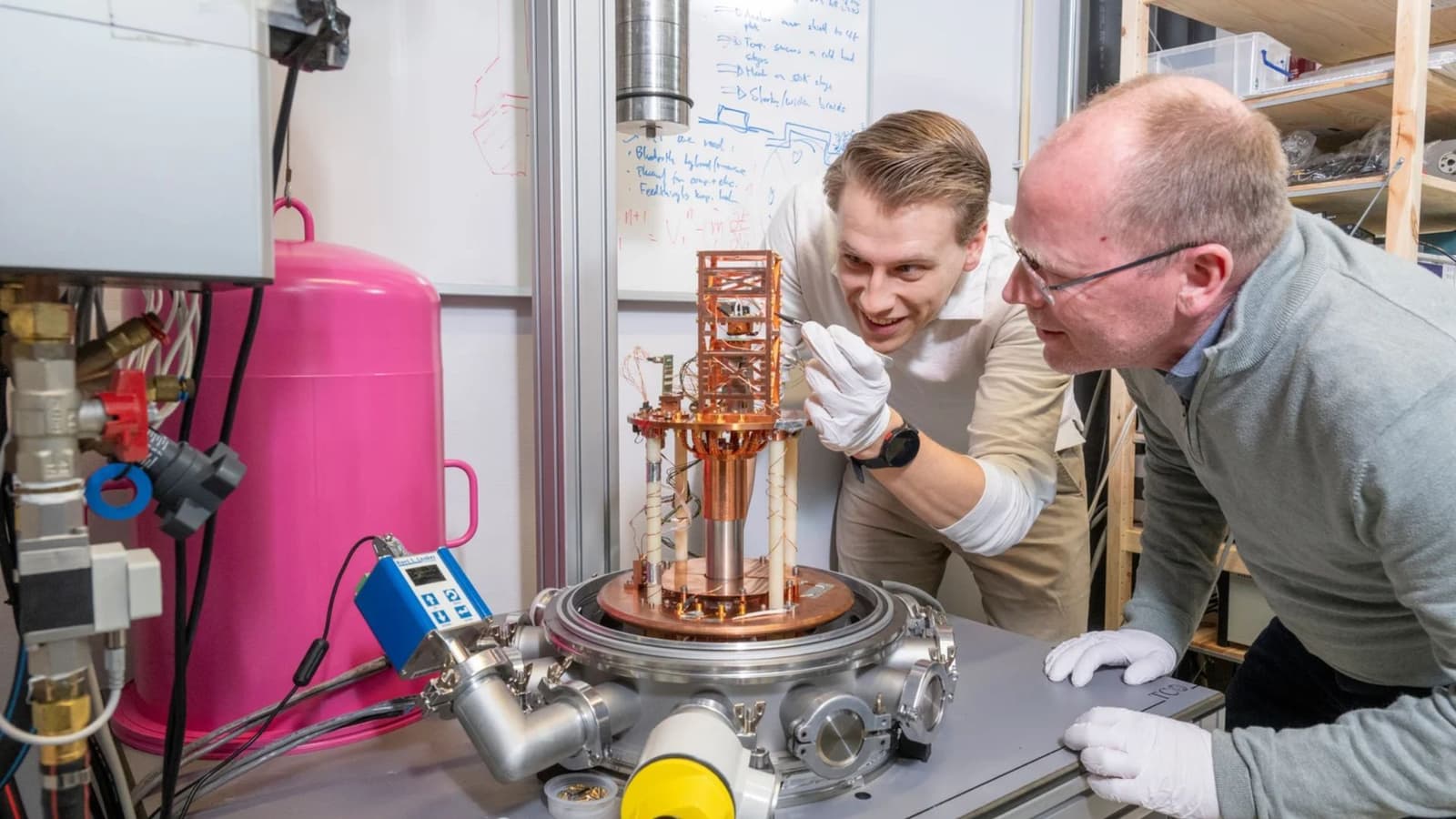
New vertical quantum sensor works in magnetic fields 20,000 times stronger than Earth
Researchers at the University of Twente in the Netherlands have built a vertical quantum sensor...