256-qubit quantum computer heads to Florida for research across health and energy
US quantum computing company IonQ will install a 256-qubit trapped-ion quantum computer at Florida International...
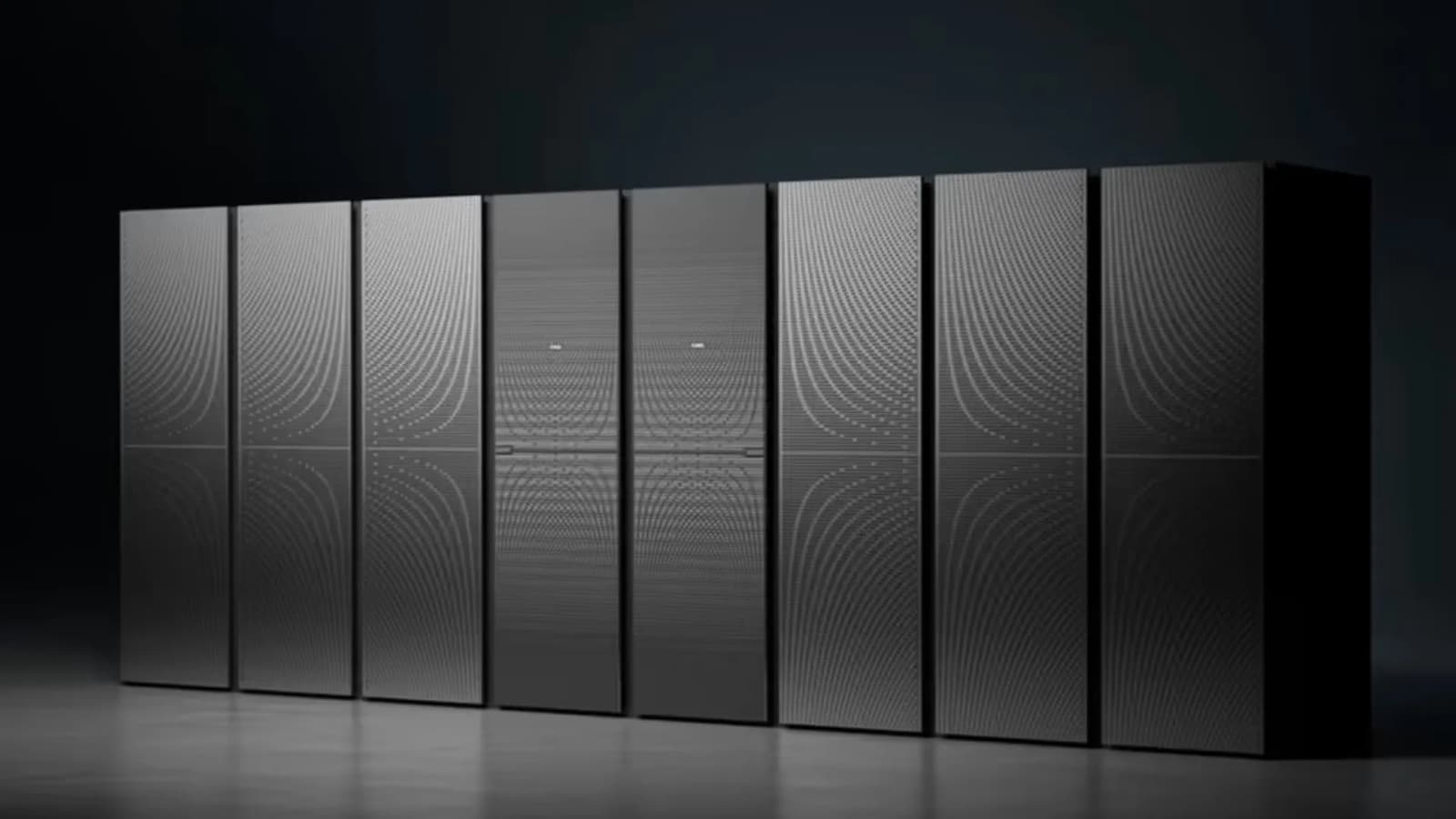
US quantum computing company IonQ will install a 256-qubit trapped-ion quantum computer at Florida International University, giving researchers and students direct access to its sixth-generation quantum hardware.
The Superion system is expected to be installed at FIU in Miami in late 2027 after the university completes a specialized on-campus data center. It will be the first Superion 256 system sold and deployed in Florida.
The machine will use 256 physical trapped-ion qubits and support research spanning materials science, cybersecurity, health, logistics, artificial intelligence and power grid management. Faculty, students, visiting researchers and affiliated research centers will have access to the system.
The agreement also makes FIU IonQ’s flagship academic partner in Florida, with the university planning to use the system for quantum research, education and workforce development across the region.
Quantum hardware comes campus
“This key partnership with Florida International University represents a major milestone in expanding direct physical access to IonQ’s industry-leading, high-performance quantum hardware,” said Niccolo de Masi, chairman and CEO of IonQ.
“By housing our Superion 256 system directly on campus, FIU will lead the region in quantum research and training.”
Unlike quantum systems accessed exclusively through cloud platforms, the agreement will place the hardware physically at FIU. Researchers will therefore have direct access to the university-based system for developing and running quantum computing workloads.
IonQ’s Superion uses trapped-ion technology, in which electrically charged atoms are isolated and manipulated to serve as qubits. Such systems use electromagnetic fields to hold ions in place and lasers to control their quantum states and perform computational operations.
FIU President Jeanette M. Nuñez said the system would provide the university’s researchers and students with direct access to advanced quantum computing infrastructure.
“Having this 256-qubit quantum computer right on campus positions FIU researchers at the forefront of national quantum innovation,” Nuñez said.
Research meets quantum training
The university expects the system to support both research and training. FIU has about 56,000 students and 1,200 faculty members, while regional industry partners are also expected to gain access through the initiative.
Researchers could use the machine to investigate computational problems in areas ranging from materials and healthcare to cybersecurity and energy infrastructure.
“The 256 physical qubits system located in Miami will enable our team to run complex computational workflows,” said Andres G. Gil, FIU senior vice president for research and economic development.
FIU also plans to develop quantum computing curricula, degree programs and certificates while working with industry partners in South Florida and elsewhere.
The university maintains a research showcase and briefing center in Washington, D.C., which could also help connect the program with federal agencies pursuing quantum technology initiatives.
For IonQ, the deal expands physical deployment of its quantum hardware beyond cloud access. The Maryland-based company provides quantum computing systems and also develops technologies across quantum networking, sensing and security.
Installation remains more than a year away, however, and depends on completion of FIU’s planned data center. Once installed, the 256-qubit machine is expected to serve as a regional hub for quantum research and training.
Related articles