9,200-ton warship returns home after longest destroyer deployment since World War 2
After 12 months at sea, over 88,000 nautical miles steamed, and intense combat action in...
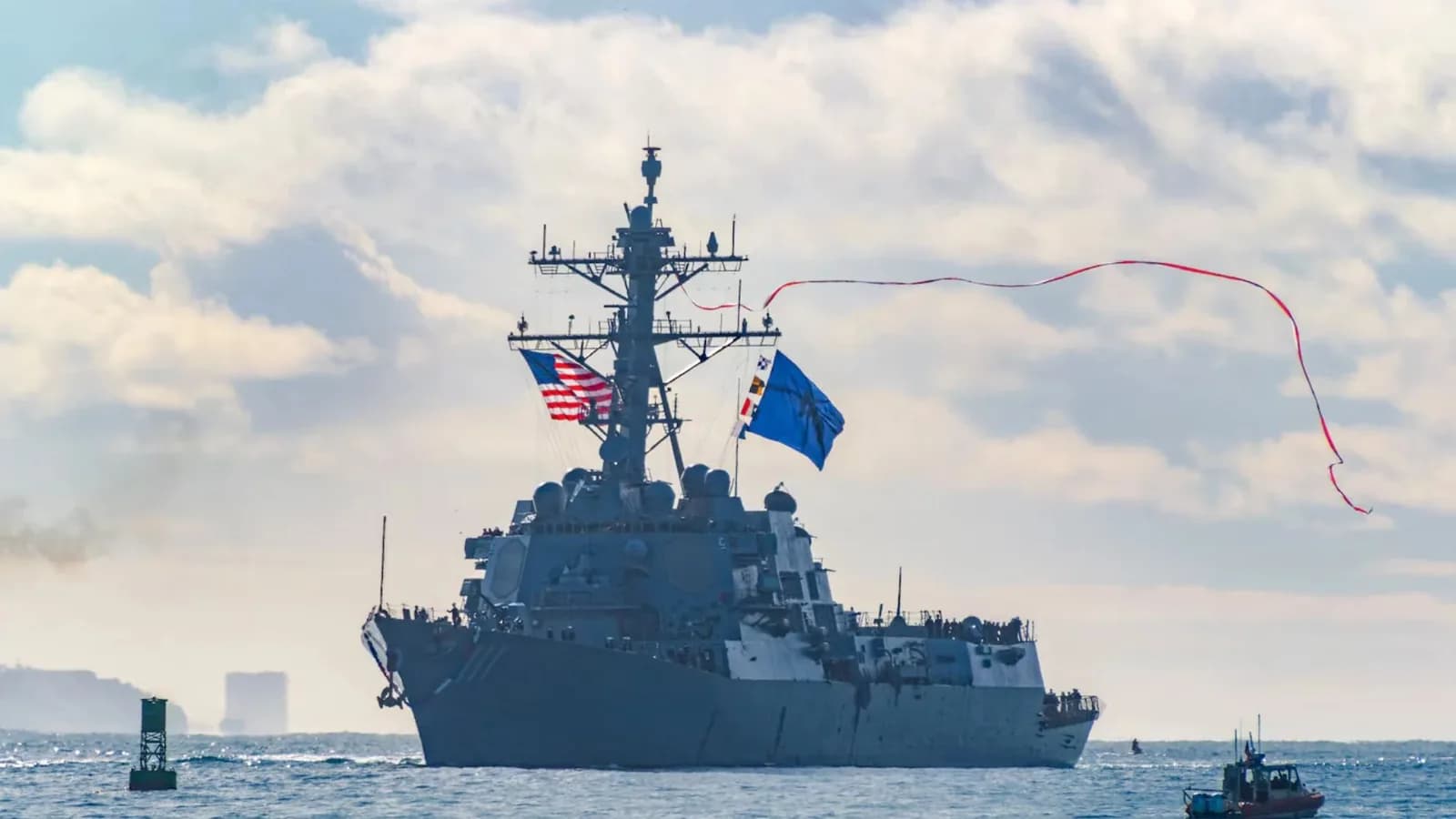
After 12 months at sea, over 88,000 nautical miles steamed, and intense combat action in the Middle East, the guided-missile destroyer USS Spruance (DDG 111) pulled into Naval Base San Diego on Nov. 13.
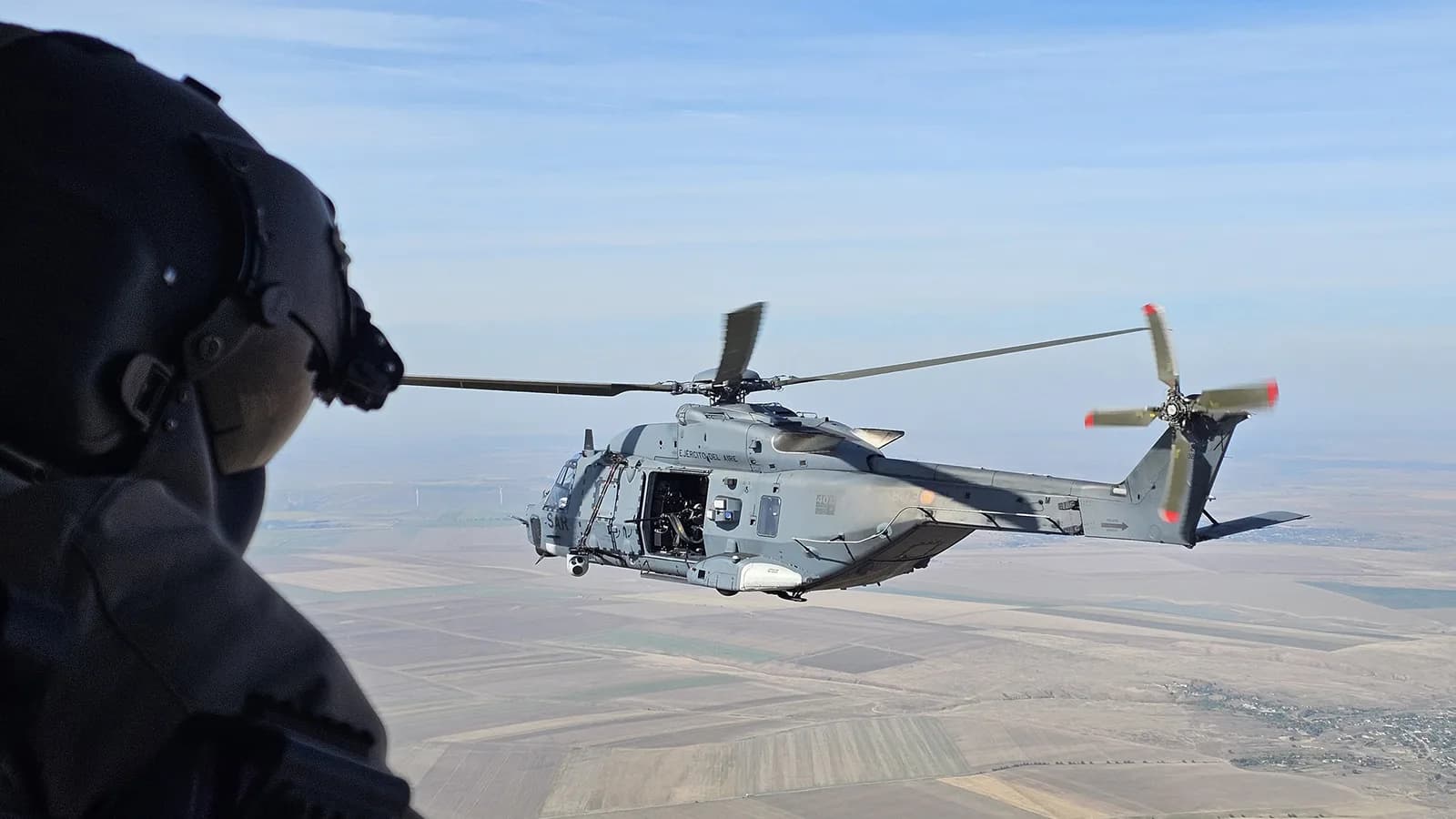
The Arleigh Burke-class warship returned alongside an embarked detachment from Helicopter Maritime Strike Squadron (HSM) 71. The homecoming marks the end of a yearlong deployment across the U.S. 3rd, 7th, and 5th Fleet areas of operation as part of the Abraham Lincoln Carrier Strike Group.
Spruance spent 357 days away from its San Diego homeport, departing on Nov. 21, 2025, and returning on Nov. 13, 2026. Reportedly, this nearly year-long mission marks the longest deployment for any U.S. Navy destroyer since World War II. Over 300 sailors served aboard the destroyer during the historic mission.
The deployment even passed the previous 333-day record set by the USS McFaul just one month earlier.
As per the Navy, Spruance and fellow strike group units received both the Presidential Unit Citation and the Combat Action Ribbon for their actions under fire.
Working under tight situation
The most intense stretch of the deployment happened during Operation Epic Fury in the U.S. Central Command area of responsibility. Operating as the Surface Action Group Commander, Spruance led forward reconnaissance maneuvers near the volatile Strait of Hormuz. The ship enforced a strict maritime blockade for compliance across 15 vessels and disabled the illicit cargo ship M/V TOUSKA.
Threat levels remained high throughout the mission. It operated under persistent danger from incoming fire. During the operation, Spruance’s crew successfully shot down 12 one-way attack drones and four anti-ship cruise missiles.
From February to August 2026, the destroyer launched dozens of Tomahawk cruise missiles against Iranian military targets to protect international shipping. Alongside these offensive strikes, the ship managed tactical datalink networks across multiple naval groups, keeping joint forces connected in real time.
Whopping fuel consumption
Before and after its Middle East operations, Spruance navigated some of the Indo-Pacific’s most strategic chokepoints. The crew executed high-precision transits through the San Bernardino, Singapore, Malacca, Balabac, and Surigao Straits.
However, maintaining that operational tempo required massive logistical endurance. During 43 underway replenishments at sea, the 9,200-ton Spruance took on 8.6 million gallons of fuel. Meanwhile, the embarked HSM-71 aviation detachment flew more than 190 sorties, logging over 1,150 flight hours in support of the mission.
“Leading the ship and crew has been the honor of a lifetime,” said Cmdr. Leigh R. Tate, commanding officer of Spruance. “Spruance Sailors made a difference. They represented their families, their ship and the United States Navy with distinction. It is also important that we recognize the extraordinary contributions of their families. Behind every Sailor is a someone back home standing their own watch.”
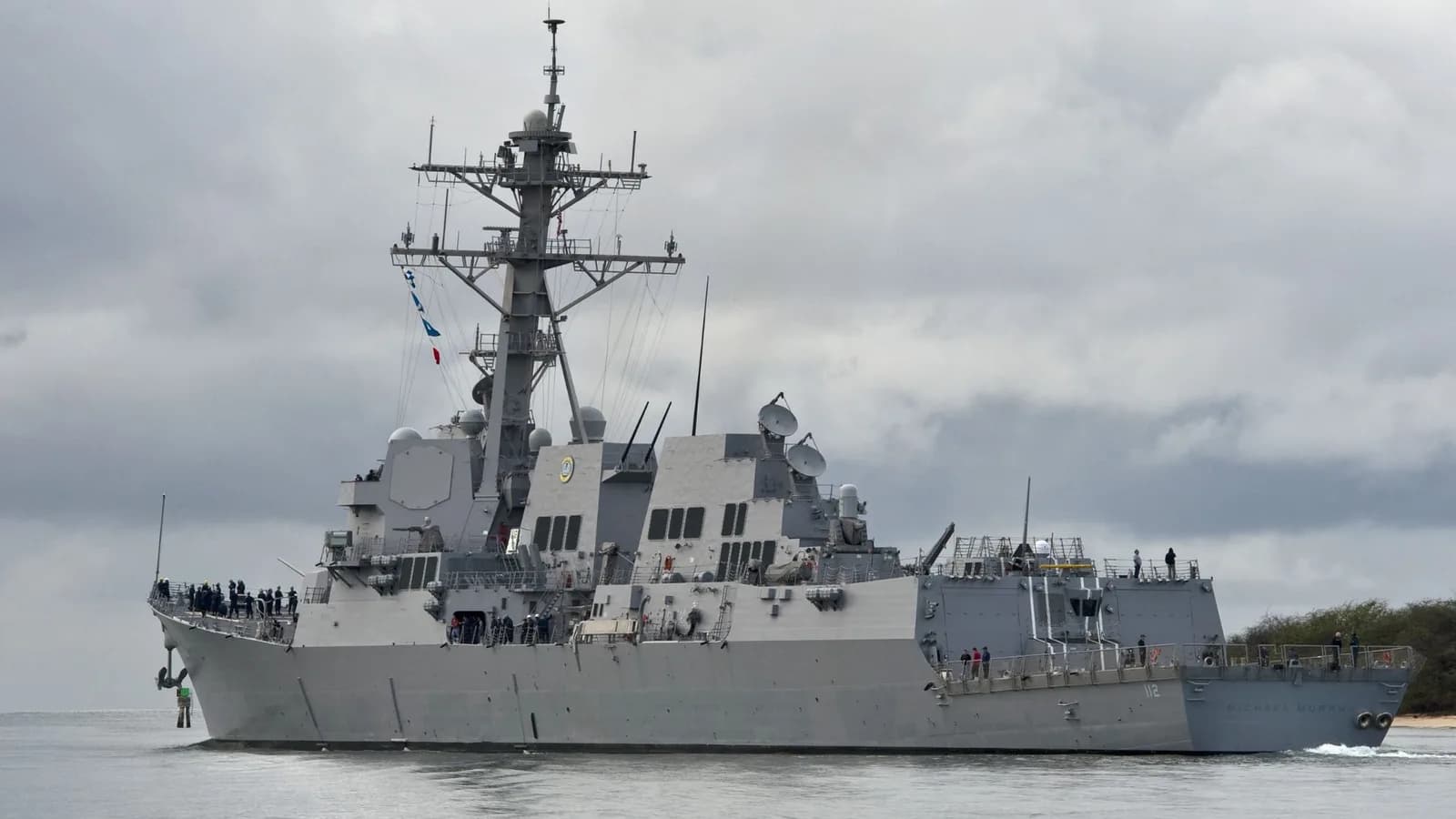
Throughout the deployment, Spruance operated under Destroyer Squadron (DESRON) 21 alongside the flagship aircraft carrier USS Abraham Lincoln (CVN 72), destroyers USS Michael Murphy (DDG 112) and USS Frank E. Petersen Jr. (DDG 121), and Carrier Air Wing (CVW) 9. Now back under U.S. 3rd Fleet, the ship and crew begin a well-earned post-deployment stand-down.
Get the latest news delivered to your inbox.
Related articles