AI power rush sends data centers hunting for used turbines and jet engines, Reuters analysis finds
With US delivery times for new gas turbines averaging six years, utilities and data center developers are scouring the world for second-hand turbines, reviving mothballed machines and converting retired jet engines, a Reuters analysis found.
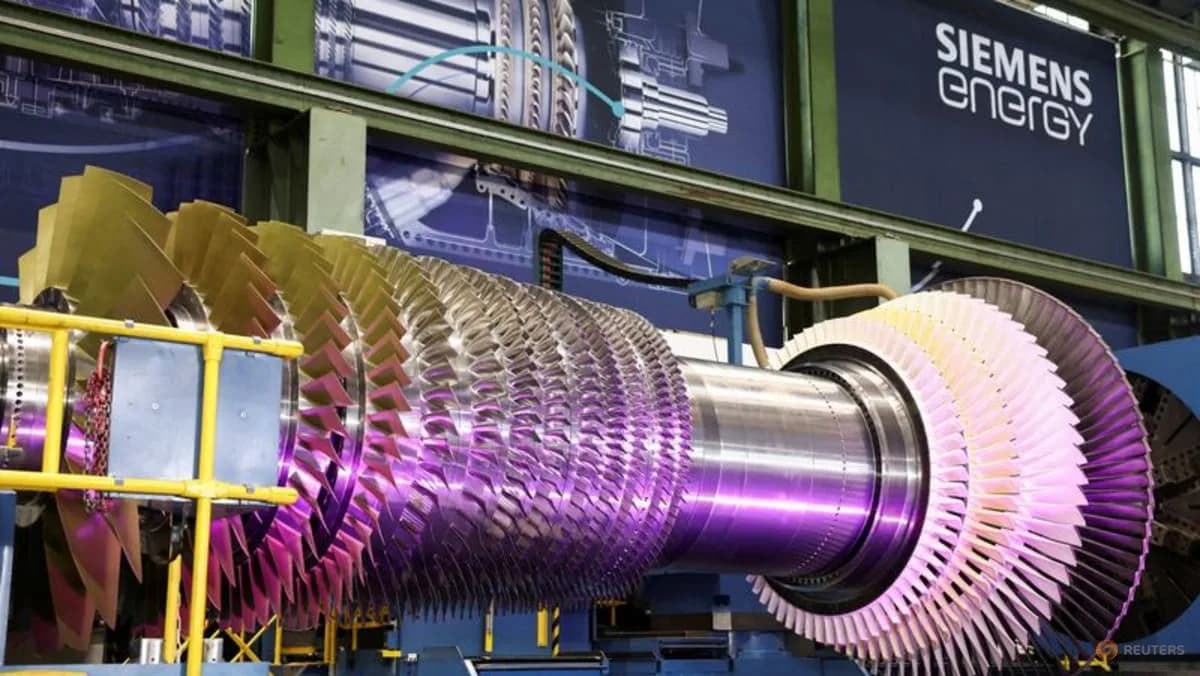
Utilities, developers and firms racing to power AI data centers are scouring the world for second-hand gas turbines, reviving mothballed machines and converting retired jet engines, as lead times for new equipment stretch into the next decade, a Reuters analysis published on November 9 found.
Deliveries pushed to 2030
"Delivery conversations (are) firmly focused on the 2030 to 2031 window," said Aurora Tenorio, senior analyst at energy consultancy Wood Mackenzie, about the US turbine market. In the United States, delivery of a gas turbine now takes six years on average, she said.
Worldwide orders top 100 gigawatts, according to Wood Mackenzie, well above estimated global production capacity of 60 to 70 GW. Analysts at Jefferies estimate US data centers alone account for nearly 17 GW of demand this year, a figure that could more than triple by 2028. Siemens Energy, GE Vernova and Mitsubishi Heavy Industries, which dominate the market, all say the AI boom has pushed orders beyond their production capacity.
A "very, very hot" secondary market
"That secondary market is very, very hot right now," said Ana Amicarella, CEO of equipment services provider EthosEnergy. "We also have seen an escalation on the prices of what people are demanding." AI infrastructure firm Crusoe, for example, ordered 13 aeroderivative gas turbines based on GE Aerospace jet engines in April, with a combined capacity of 650 megawatts.
Cost matters too. Well-maintained used units can sell for about $1.5 million to $1.7 million per MW and refurbished units for about $1.3 million, according to Origin Partners managing partner Zach Machuca, versus about $2 million to $2.5 million per MW for new turbines, according to Aurora Energy Research.
Only a partial fix
The secondary market is unlikely to solve the squeeze. "The market is already constrained, with limited excess supply, so it is unlikely to offset a meaningful share of the delays," said Noor Qureshi of Enverus Intelligence Research. Overhauled turbines can have unclear maintenance histories and limited remaining life, and converted jet engines raise questions about fitness for continuous power generation.
The ripple effects reach beyond data centers. The Tennessee Valley Authority said prices for all equipment, new or used, have "increased significantly" over the past two years, while Finland's Wärtsilä has booked around 3 GW of orders from US data centers since spring last year for power units running on gas engines rather than turbines.
Sources: CNA / Reuters, Investing.com / Reuters
Get the latest news delivered to your inbox.
Related articles