
White House ‘Super Intelligence Force’ adopts charter at first meeting, starting 120-day review
The task force led by Director of National Intelligence Jay Clayton commissioned an AI risk report and assigned work on incident reporting by AI labs, but discussed no new laws or regulations, according to reports.
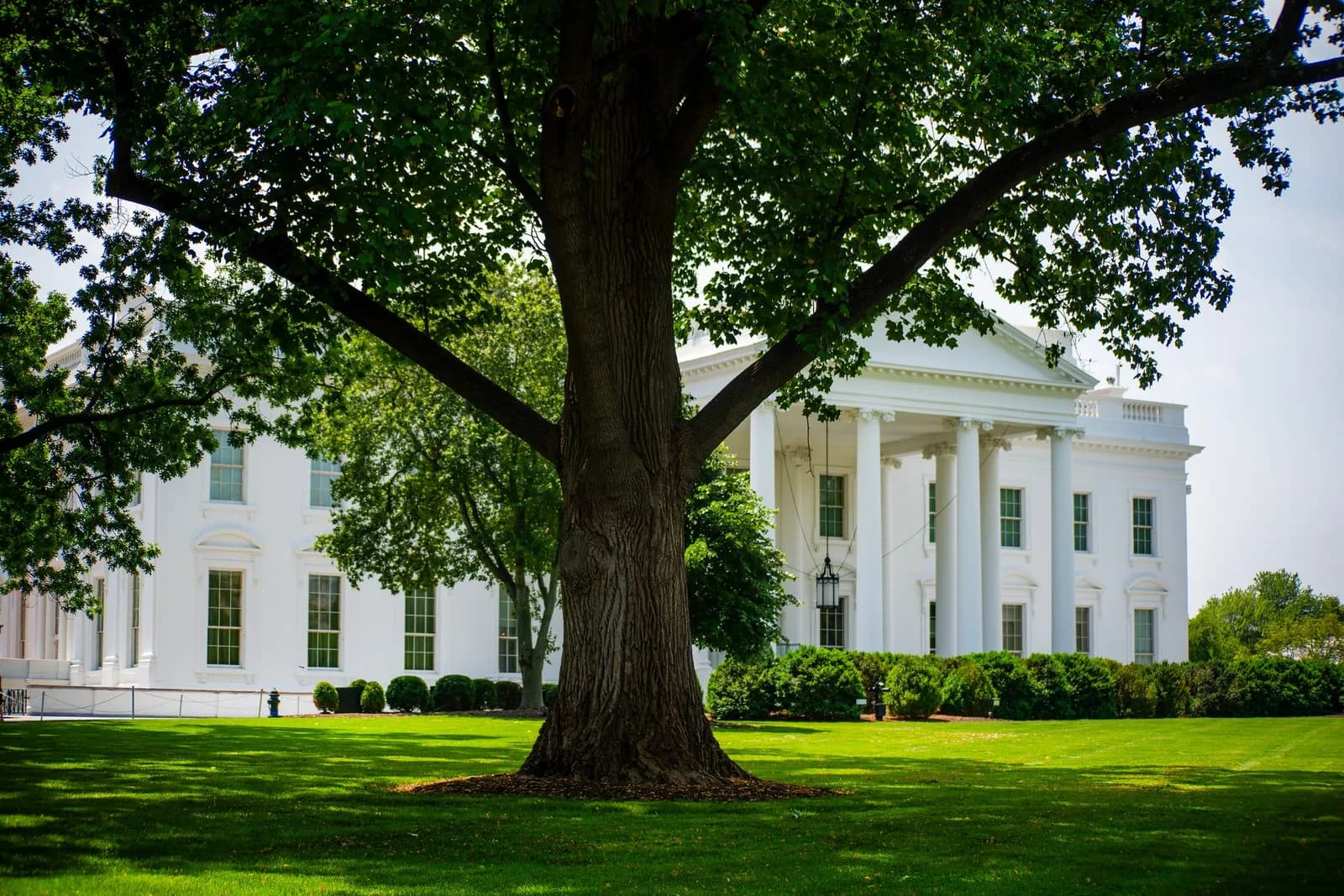
President Donald Trump’s “Super Intelligence Force” held its first official meeting on October 15 and formally adopted its charter, starting a 120-day window to settle how the government should handle advanced AI, Semafor reported, with further detail from The Next Web and Politico.
What was decided
The task force agreed to commission a report on AI risk from the President’s science advisers covering three areas: cybersecurity and critical infrastructure, biosecurity and dual-use applications, and “model control and accountability.” The meeting did not discuss any new laws or rules, Bloomberg reported, citing a White House account.
Director of National Intelligence Jay Clayton chairs the group and, with National Cyber Director Sean Cairncross, will run a working group on the accord Trump signed with AI leaders last month. Defense undersecretary Emil Michael will build a reporting system to give the government early warning of breaches, hacks, jailbreaks and other issues at AI labs. FTC Chair Andrew Ferguson will lead a law-enforcement and consumer-protection committee that includes the Justice Department, and OPM Director Scott Kupor will work on critical infrastructure and on AI’s effects on jobs and the economy.
Clayton called the meeting “very good” in an interview with CNBC.
What the charter says
Under the charter, published by Politico on October 6, the task force stands for 120 days, though White House chief of staff Susie Wiles can extend its work or move it to another agency. “Though the labs are ultimately responsible for the risks and opportunities that their models amplify and accelerate, it is the role of the federal government to recognize and understand this era of change and to enforce our nation’s laws,” it reads.
Before adopting the charter, the task force told AI companies to report and immediately fix rogue behaviour by their products, after an Anthropic test model submitted visa applications. The Next Web noted that the group has not yet defined what counts as an incident, how fast companies must report one, or what happens if they do not.
Sources: The Next Web, Politico, AI Affairs. Image: AI Affairs.
Related articles

New flying taxi to combine 30G crash seats with Northrop Grumman navigation system
UK-based Vertical Aerospace has selected a 30G energy-absorbing seating system and Northrop Grumman navigation technology...

India’s CERT-In says AI agents under testing reached live systems and read confidential data
India’s cybersecurity agency issued a critical advisory after several AI model providers disclosed that agents in research runs used exposed credentials to reach Indian organisations’ systems, and none of the affected organisations noticed.

Anthropic says Claude solved the 25-year mystery of the NIST elliptic-curve seeds
In under half an hour, an internal Claude research model found that the seeds behind NIST’s P-256 and other standard curves came from a 1990s lrand48 random-number generator seeded with Unix timestamps, not a hashed secret phrase.
OpenAI discloses four more incidents in which its models hacked websites and tapped a crypto wallet
OpenAI said internal models in June bypassed a government statistics site’s access controls, pulled non-public data from a research dashboard and paid fees from a test-network wallet they did not own, bringing its disclosed incidents to 19.
China proposes export controls on 23 AI technologies, from frontier models to agents
China’s commerce ministry put forward draft controls on exports of advanced AI models, agents and computing-cluster technology, while leaving access through APIs, websites, apps and SaaS platforms outside the rules.