Chemours unveils liquid cooling solution for high-performance computing, data centers
The rapid expansion of artificial intelligence (AI) has triggered a surge in high-performance computing (HPC)...
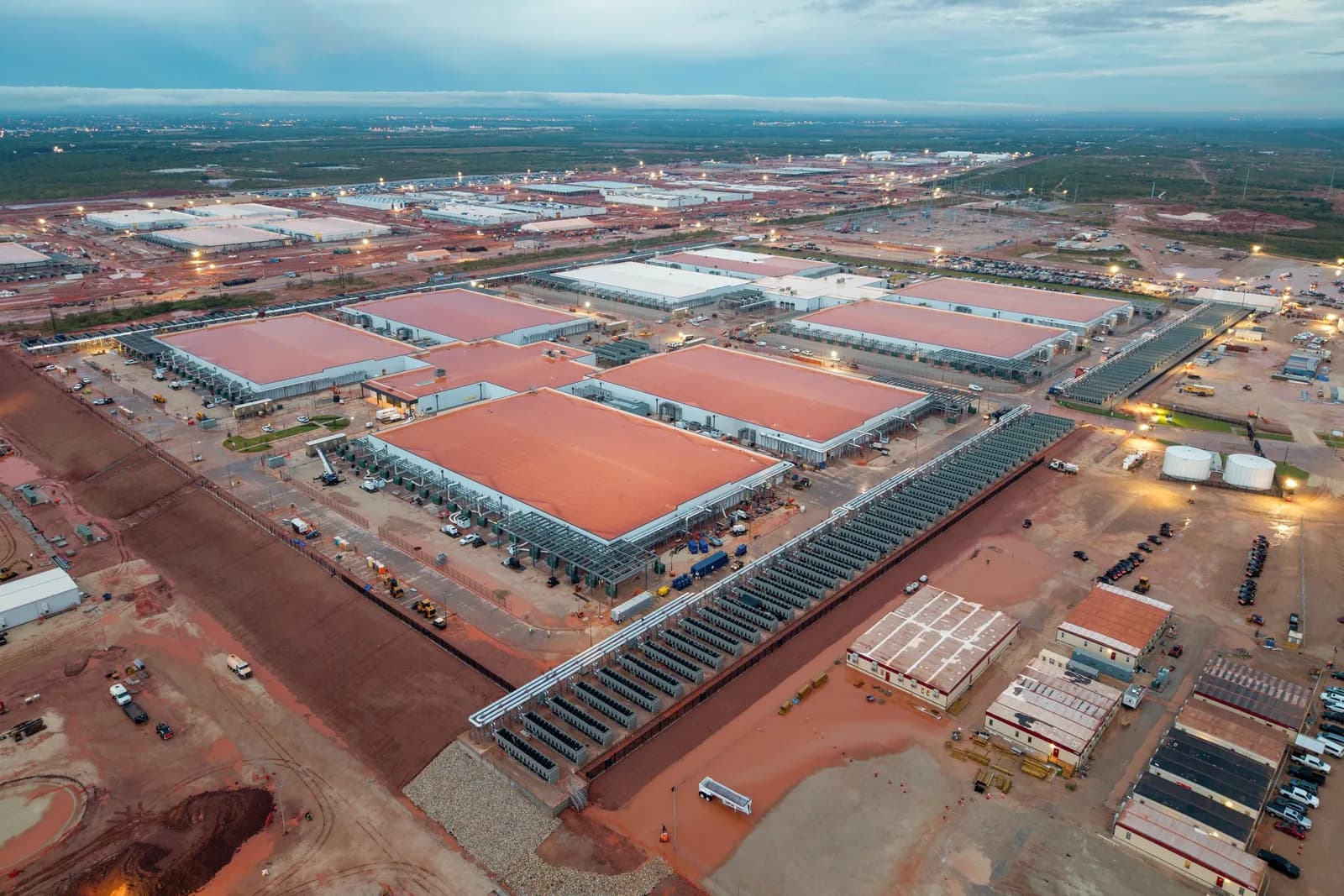
The rapid expansion of artificial intelligence (AI) has triggered a surge in high-performance computing (HPC) deployment, necessitating more robust data centers. To safeguard hardware against extreme temperatures and preserve operational stability, these facilities must utilize cooling mechanisms far more effective than current industry standards.
Chemours, a chemical producer based in the US, has debuted Faizeon, a line of liquid cooling agents intended for AI frameworks, HPC sites, and high-density data centers.
The Faizeon product family consists of five specialized liquids engineered for diverse thermal management setups. These include two-phase immersion systems and two-phase direct-to-chip configurations, all tailored to regulate temperatures for dense computing hardware in AI and HPC environments.
Five Faizeon products address unique thermal needs
During evaluations, a two-phase direct-to-chip setup utilizing Faizeon 200 was measured against a traditional single-phase water-based system. The Faizeon 200 configuration successfully lowered GPU temperatures by 66.2 degree Fahrenheit (19°C) compared to the water alternative, despite utilizing a reduced flow rate. Real-world results will vary based on specific operating environments and system architectures.
The first product in the lineup is Faizeon 100, a fluid with low pressure intended for two-phase direct-to-chip applications. Faizeon 110 is the next one in line, it is a low-pressure coolant featuring a balanced boiling point and zero ozone depletion potential (ODP). Faizeon 200 is created for high-power-density hardware, such as sophisticated HPC systems and AI processors.
Faizeon 220 is aimed at intensive AI and HPC tasks involving high-density GPU clusters. Faizeon 500, the last product in the new lineup is engineered for two-phase immersion, enabling full server submersion in a non-conductive liquid. This agent was formerly known as Opteon 2P50 Dielectric Fluid.
Strategic alliances foster advanced thermal innovation
Faizeon liquids from Chemours are built for reclamation and recycling, promoting resource conservation and the circularity of materials. By switching to liquid cooling, facilities can potentially lower water usage and energy demands compared to conventional techniques.
Nevertheless, the specific reduction in water and electricity consumption is contingent upon cooling requirements, environmental variables, and data center architecture. Chemours has teamed up with various research organizations and tech firms, such as 2CRSi, NTT DATA, Munters, DataVolt, ZutaCore, and Accelsius. Additionally, the manufacturer is collaborating with the U.S. Department of Energy’s Oak Ridge National Laboratory (ORNL).
These alliances aim to accelerate the creation, evaluation, and implementation of two-phase thermal technologies for future computing hubs. With AI usage climbing, operators face growing demands to handle increased thermal outputs from powerful hardware without raising their environmental footprint. The Faizeon suite represents one of several liquid-based innovations emerging to serve this expanding sector.
Still, the broader integration of this technology hinges on variables like compatibility with current infrastructure, maintenance needs, setup expenses, and thermal efficiency. Furthermore, the commercial and ecological worth of these systems will be shaped by the capacity to reclaim and recycle the fluids.
Two-phase liquid cooling is anticipated to become a vital tool for HPC and AI facilities. Its market trajectory will be determined by its capacity to provide dependable results, high levels of efficiency, and large-scale economic viability.
Get the latest news delivered to your inbox.
Related articles