China unveils automated interception drones to neutralize unmanned aerial vehicles
China showcased low-cost, AI-guided drone interceptors at a counterterrorism forum in Beijing this week, where...
This story was prepared automatically by software.
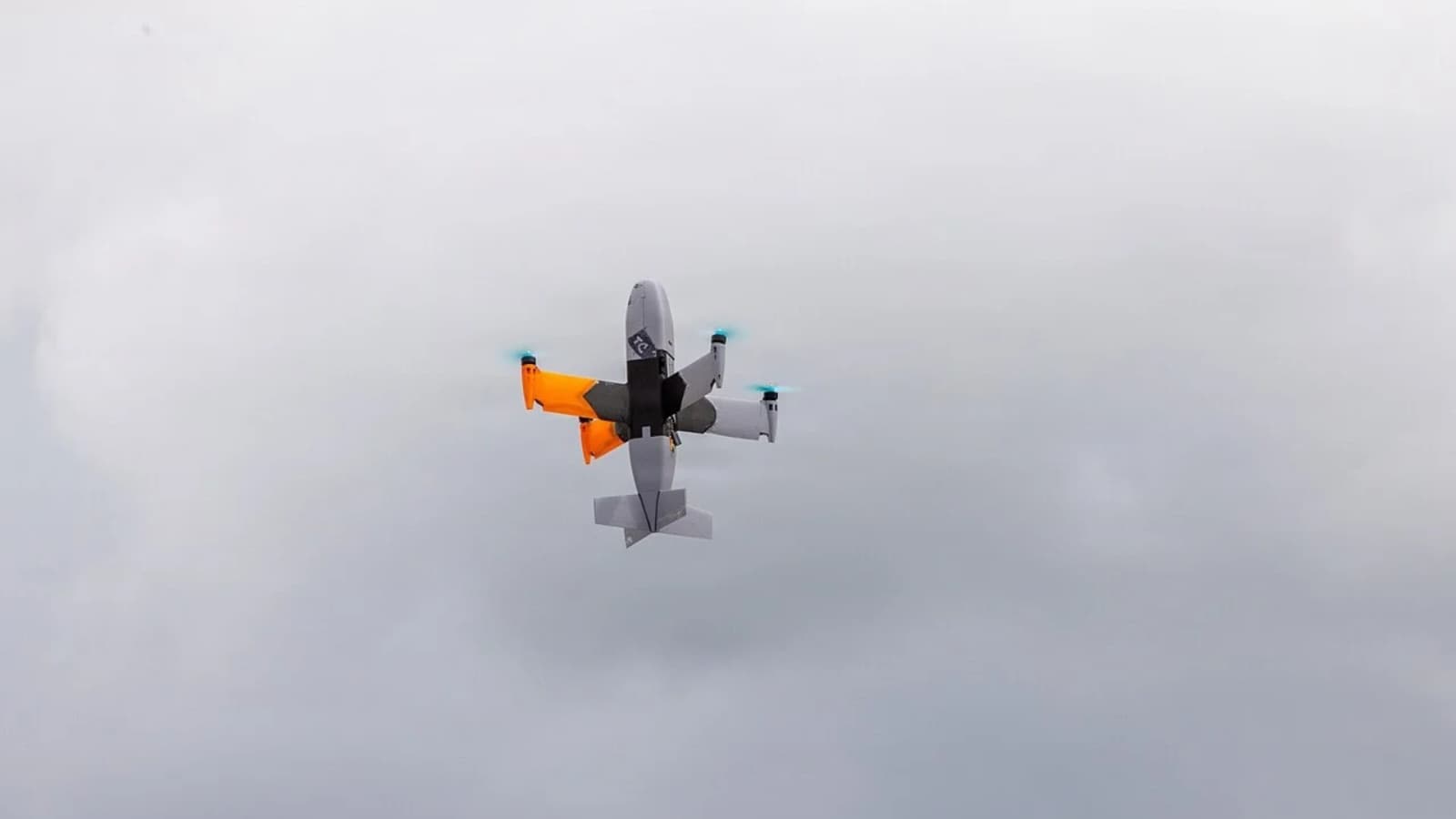
China showcased low-cost, AI-guided drone interceptors at a counterterrorism forum in Beijing this week, where experts discussed new technologies and their potential misuse by terrorist groups.
The high-speed interceptors were showcased at the Great Wall-2026 International Forum on Counterterrorism, which ran from 13 to 15 October. Organized by the People’s Armed Police, the event brought together more than 320 defense experts and military delegates from 62 countries.
Discussions focused on the growing role of AI and uncrewed systems in counterterrorism, as well as the risks they pose for recruitment, reconnaissance, and coordinated attacks.
AI-guided interceptors target small drones
The interception drones featured AI guidance systems designed to neutralize “low, slow and small” unmanned aerial vehicles with high precision and rapid response times.
Their low-cost design was a feature of the display, although the supplied report did not disclose prices, speeds, engagement ranges, or details about how the drones destroy their targets.
The exhibition also included humanoid robots, robotic dogs, unmanned ground vehicles, drone detection equipment and laser-based defense systems. Together, the systems covered reconnaissance, swarm defense and control, and precision response capabilities.
According to state broadcaster CCTV, the display showed AI’s expanding role across counterterrorism operations, from situational awareness and incident response to assessments after an operation.
The People’s Armed Police, which organized the forum, is China’s paramilitary force responsible for internal security, riot control and counterterrorism.
Autonomous systems create new security risks
Experts at the forum warned that terrorist organizations were increasingly exploiting autonomous drones, drone swarms, encrypted communications and AI.
These technologies could support radicalization, recruitment and fundraising while helping groups conduct complex attacks across multiple domains.
Science and Technology Daily reported that AI and unmanned technologies were expanding the reach and methods of terrorist attacks, while groups continued shifting the geographical focus of their operations.
The report also described UAVs with greater autonomy, stronger cyberattack capabilities, and increased use of drone swarms. Improved resilience to electronic warfare could further complicate efforts to disrupt these systems.
The discussions highlighted how technologies developed to improve security could also become tools for groups seeking to evade existing defenses.
Experts call for safeguards against misuse
Regulating autonomous intelligence systems emerged as a central challenge, covering who develops, sells, purchases, and deploys them, as well as how they are eventually disposed of.
“Terrorists might exploit AI models for learning and training, for which the developers must configure their large language models to prevent misuse,” Wu Mingxi, an expert in military intelligence and systems, told CCTV.
Wu added that generative AI could help malicious actors produce deepfake videos and misinformation, creating further challenges for authorities.
“If we do not pay attention to the application of AI technology and fail to prevent its misuse by terrorist organizations and violent extremists, the consequences will be disastrous,” said Peng Jijun, secretary general of the forum’s organizing committee.
The forum’s discussions underscored the need for coordinated international regulation as autonomous systems become more capable and accessible.
Source: https://interestingengineering.com/ai-robotics/china-reveals-high-speed-drone-interceptors
Related articles