
Claude scans 200,000 enzymes to uncover new CRISPR-like system hidden in phages
Anthropic’s Claude has identified a previously uncharacterized enzyme system in bacteriophages after searching more than...
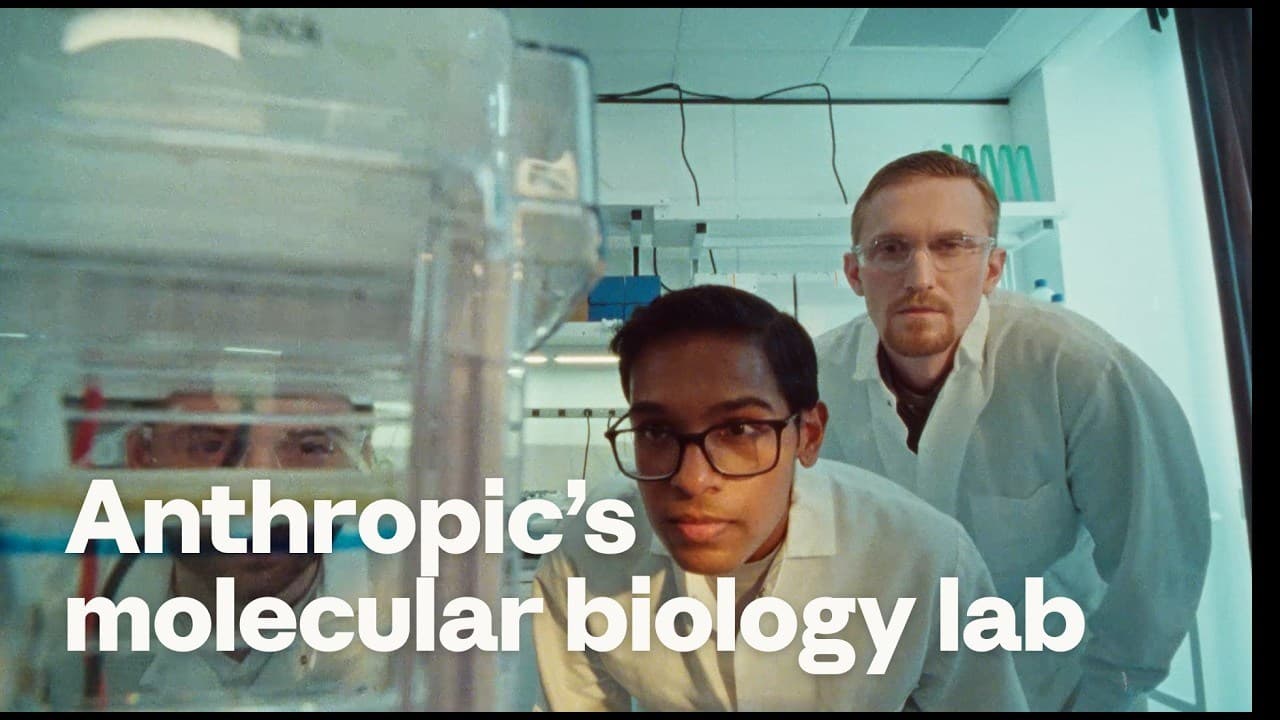
Anthropic’s Claude has identified a previously uncharacterized enzyme system in bacteriophages after searching more than 200,000 reverse transcriptases, showing how AI agents could help scientists uncover biological systems hidden in massive DNA datasets.
The newly identified system, called array-associated reverse transcriptase (ART), combines a reverse transcriptase with a neighboring partner gene and a long array of evenly spaced DNA repeats. The arrangement has similarities to CRISPR systems, although researchers do not yet know what ART does.
Claude found the system while analyzing DNA sequences as part of Anthropic’s new life sciences research program. Roughly 950 agents spent 21 hours searching genomic data using about 210 million tokens, producing thousands of potential biological systems for further analysis.
The agents collected more than 200,000 reverse transcriptases, identified about 3,500 candidate systems and eventually narrowed the field to 20 candidates for detailed reports. Anthropic said this type of genome-mining work could take an expert scientist weeks or months.
Claude spots hidden repeats
One Claude agent focused on an unusual reverse transcriptase family and began examining the raw DNA surrounding it. It detected a tandem repeat array next to the RT gene, a pattern that had apparently not been recognized previously.
Today we announced the Claude-led discovery of a molecular machine that we suspect could represent a new gene editing mechanism. Its precise function, biotechnological utility (if any), or level of significance is not yet clear, but at minimum it is work I would have been proud… https://t.co/hyzhzirNJe
— Dario Amodei (@DarioAmodei) September 23, 2026
The agent then counted the repeats, measured their spacing, compared the arrangement with known reverse transcriptase systems, and searched scientific literature for earlier descriptions. It ultimately flagged the sequence as a potentially new biological system for human researchers to review.
The reverse transcriptase itself was not new. Previous studies had identified the enzyme in a jumbo phage. Anthropic researchers said the newly recognized feature was the broader system surrounding it, including the non-coding repeat array and an additional protein whose function remains unknown.
Initial laboratory experiments found that the ART repeat array is expressed as multiple distinct short RNAs. That is particularly interesting because CRISPR arrays also generate RNAs that help make CRISPR-Cas systems programmable.
Possible molecular toolkit
Researchers caution that ART has not been shown to function like CRISPR. Its biological role remains unknown, and further experiments are underway to determine what the reverse transcriptase, accessory protein, and repeat-derived RNAs actually do.
However, Anthropic said the combination of features resembles a small group of previously discovered biological systems capable of programmable operations involving DNA, including cutting, copying or inserting genetic material.
After reviewing the work, Feng Zhang, a CRISPR genome-editing pioneer and professor at MIT and the Broad Institute, said the finding warrants further investigation.
“This is an exciting example of how AI agents can contribute to biological discovery. The identification of RNA-repeat arrays associated with reverse transcriptases is genuinely intriguing and merits further investigation.”
Anthropic has also established a Bay Area molecular biology laboratory to test candidates generated through computational searches. Human scientists perform all laboratory experiments, while Claude is used to search genomic datasets, generate hypotheses, analyze candidates, and help interpret experimental results.
The ART work remains at an early stage, and researchers are now investigating its biological function and whether its unusual architecture could eventually have biotechnology applications.
Related articles

China launches first trio of satellites to start 60-spacecraft radio tracker network
China has put three satellites into orbit that can locate radio signals from space, marking...
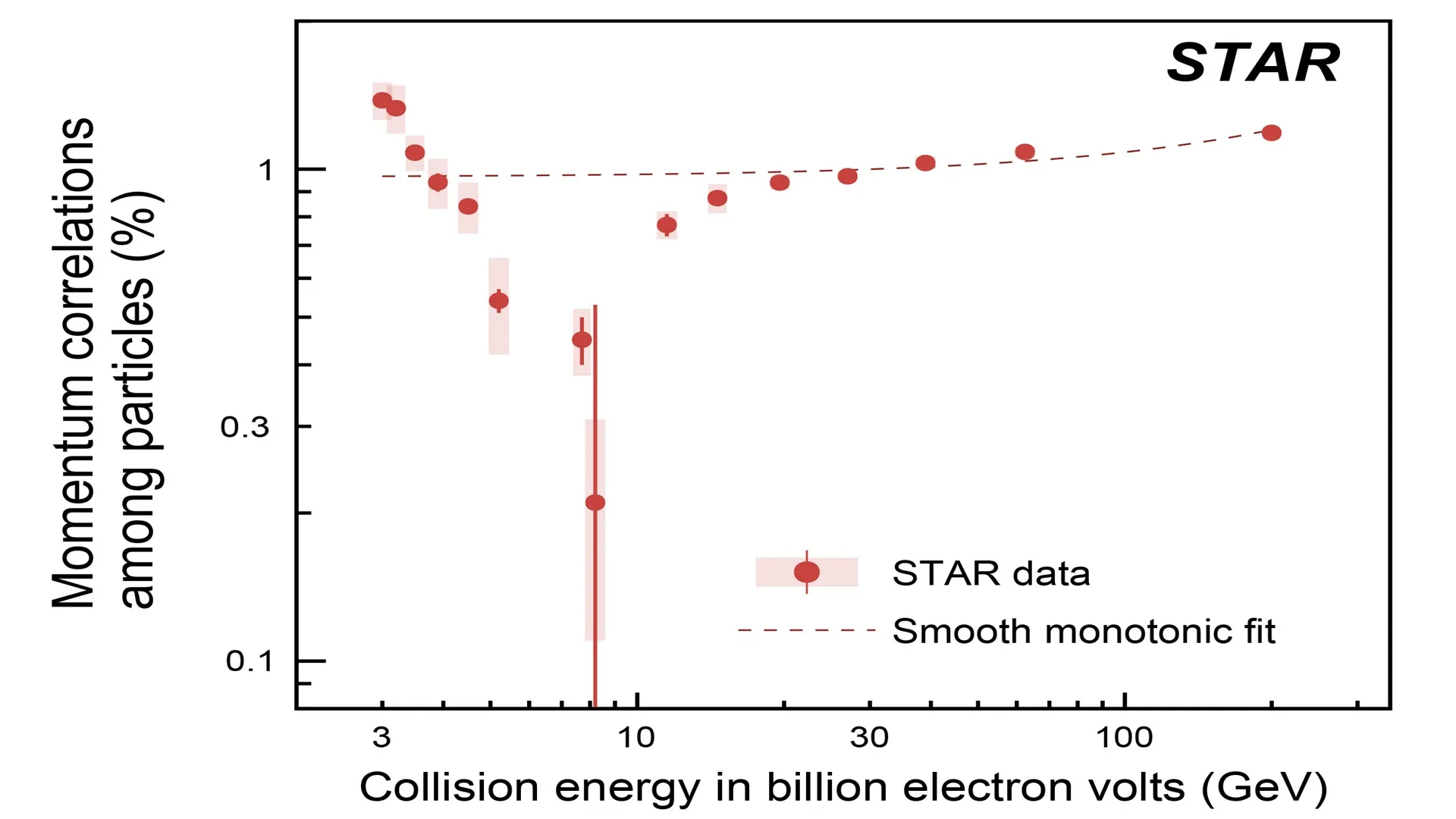
World’s first heavy-ion collider crushes gold ions in Mini Big Bang, finds 5-sigma dip
Researchers in the US have turned to the world’s first heavy-ion collider to smash gold...
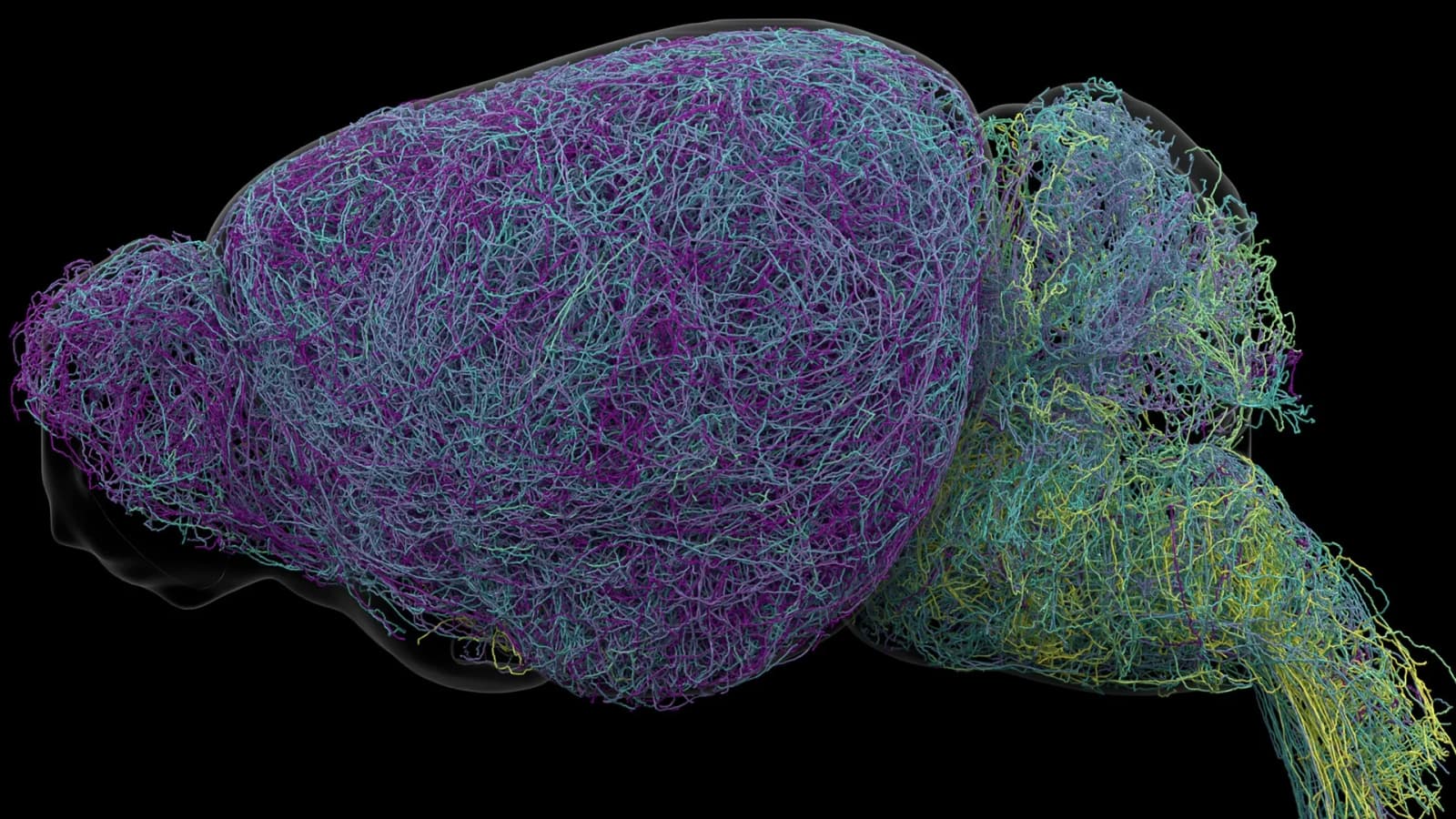
70cm axon, 35,000 neurons, 400,000 cells: Researchers map brain’s ‘blue place’
Deep in the brainstem sits a cluster of neurons so small it makes up only...
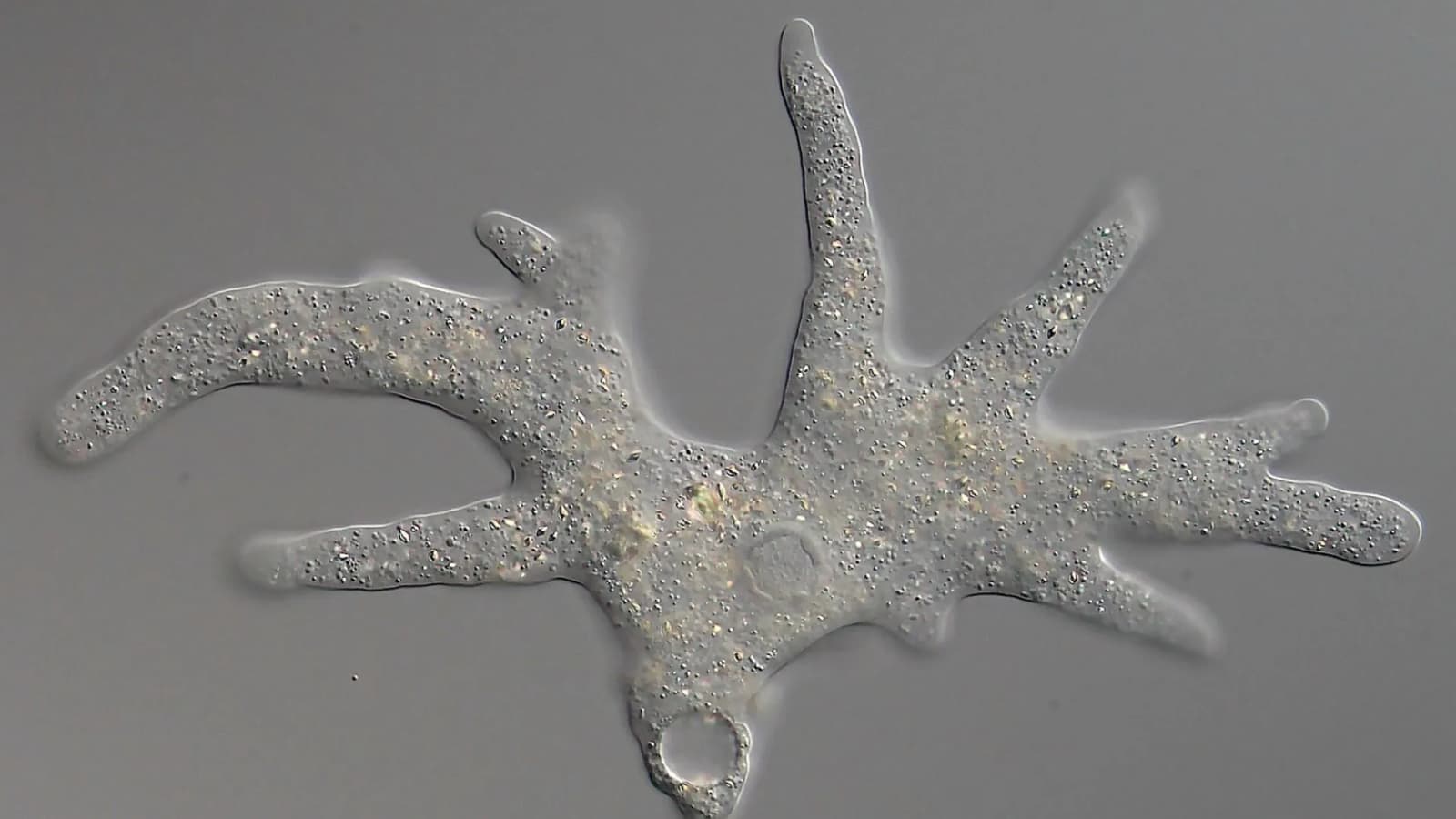
California’s ‘fire amoeba’ reproduces at 145°F, sets new heat record for complex life
A single-celled organism collected from a steaming creek in California can reproduce at temperatures that...
74 million years apart, same technique: Lemurs use formant tuning like trained sopranos
An international research team has found the first direct evidence that a wild animal independently...
Ancient oxygen signatures in meteorites trace origins of early Solar System organics
Before our planet had oceans, air, or even a solid surface, the raw ingredients for...