
70cm axon, 35,000 neurons, 400,000 cells: Researchers map brain’s ‘blue place’
Deep in the brainstem sits a cluster of neurons so small it makes up only...
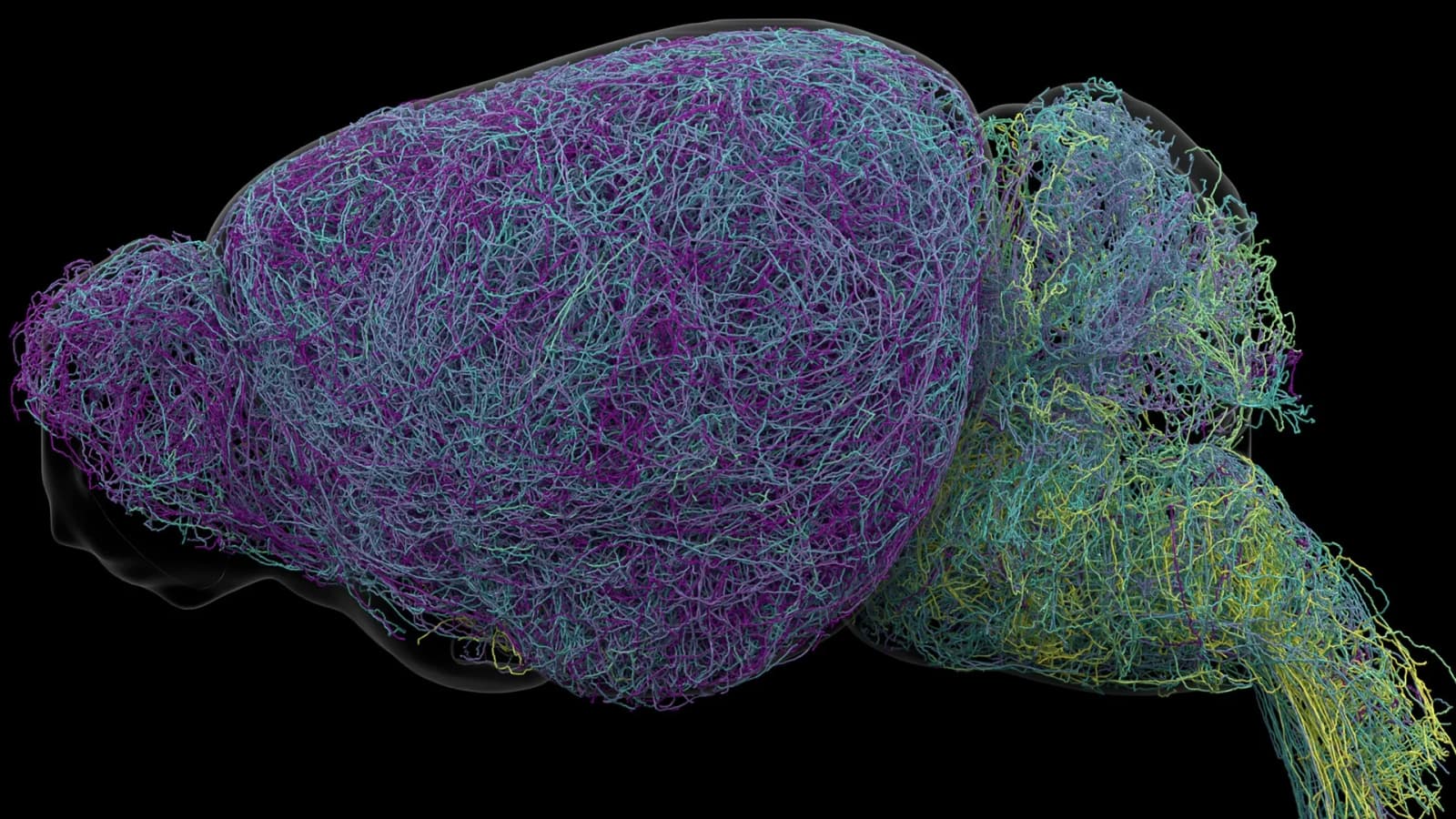
Deep in the brainstem sits a cluster of neurons so small it makes up only a tiny fraction of the brain’s total cell count, yet it controls alertness, learning, mood, stress response, and heart rate through a single chemical messenger. Scientists have now mapped it in unprecedented detail and what they found overturns decades of assumptions about how it works.
The study comprehensively maps the locus coeruleus (LC), Latin for “blue place,” the brainstem region responsible for releasing norepinephrine (NE) throughout the brain. Using brain imaging, neural recordings, genetic tools, and behavioral experiments in mice, the team produced a complete structural and functional portrait of one of neuroscience’s most consequential — and least understood — brain regions.
A postal network
For decades, the prevailing model held that the locus coeruleus operated like a loudspeaker — broadcasting a uniform norepinephrine signal indiscriminately across the entire brain whenever stress, excitement, or attention demanded a response. The new data dismantles that model entirely.
The researchers found that LC neurons project to specific “addresses” in the brain rather than flooding the whole system. Neurons in the upper (dorsal) portion of the LC send their connections primarily to the cerebral cortex and forebrain. Neurons in the lower (ventral) area project instead to the brainstem and spinal cord. The two populations are also genetically distinct — the anatomical differences are mirrored by different gene expression patterns.
“The findings suggest the brain’s norepinephrine system is far more like a targeted postal network than a foghorn,” said Karel Svoboda, director of Neural Dynamics at the Allen Institute and study co-author.
The learning cells
The functional implications of that organization proved to be equally striking. When mice performed a decision-making task — switching choices after receiving a negative outcome — it was the dorsal LC neurons projecting up to the cortex that became active. These are the learning cells: their activation correlates directly with behavioral adaptation.
The ventral LC neurons, by contrast, showed elevated activity just before mice chose to ignore cues offering potential rewards — governing not learning, but engagement with the environment at all.
The researchers also drew parallels between norepinephrine and dopamine, the brain’s other major neuromodulator, which carries signals to the basal ganglia, a region involved in habit formation. The two systems, they argue, work together as a learning platform allowing the brain to learn multiple complex and abstract concepts simultaneously.
Longest neuron ever measured
The structural mapping produced one more finding that stood apart from everything else. LC neurons have axons, the long signal-carrying projections of nerve cells, that average approximately 35 centimeters in length. In a mouse brain, that is extraordinary. One axon measured 70.32 centimeters, making it the longest single neuron ever recorded in a mouse.
That neuron, despite its exceptional length, is selectively targeted. It supplies norepinephrine to a very large volume of the cerebral cortex but deliberately ignores the cerebellum, brainstem, and spinal cord. Length, the data suggests, is not the same as indiscrimination.
The study drew on whole-brain imaging of nearly 35,000 neurons, genetic profiling of close to 400,000 cells, and complete reconstruction of selected complex neurons — a scale made possible through the NIH’s BRAIN Initiative.
The practical implications point toward neurological medicine. Norepinephrine is the target of widely prescribed drugs for depression, ADHD, and anxiety. LC neurons are also among the first to degenerate in Alzheimer’s disease.
With a precise structural and functional map of how the LC is organized — which populations control learning, which govern engagement, and which brain regions each cluster addresses — future therapies could target specific circuits rather than flooding the entire NE system indiscriminately, trading broad side effects for targeted intervention in exactly the circuit that needs correction.
Researchers at the Allen Institute published this study in Nature on Sept. 17.
Source: https://interestingengineering.com/science/locus-coeruleus-norepinephrine-70cm-neuron-learning-cells
Related articles
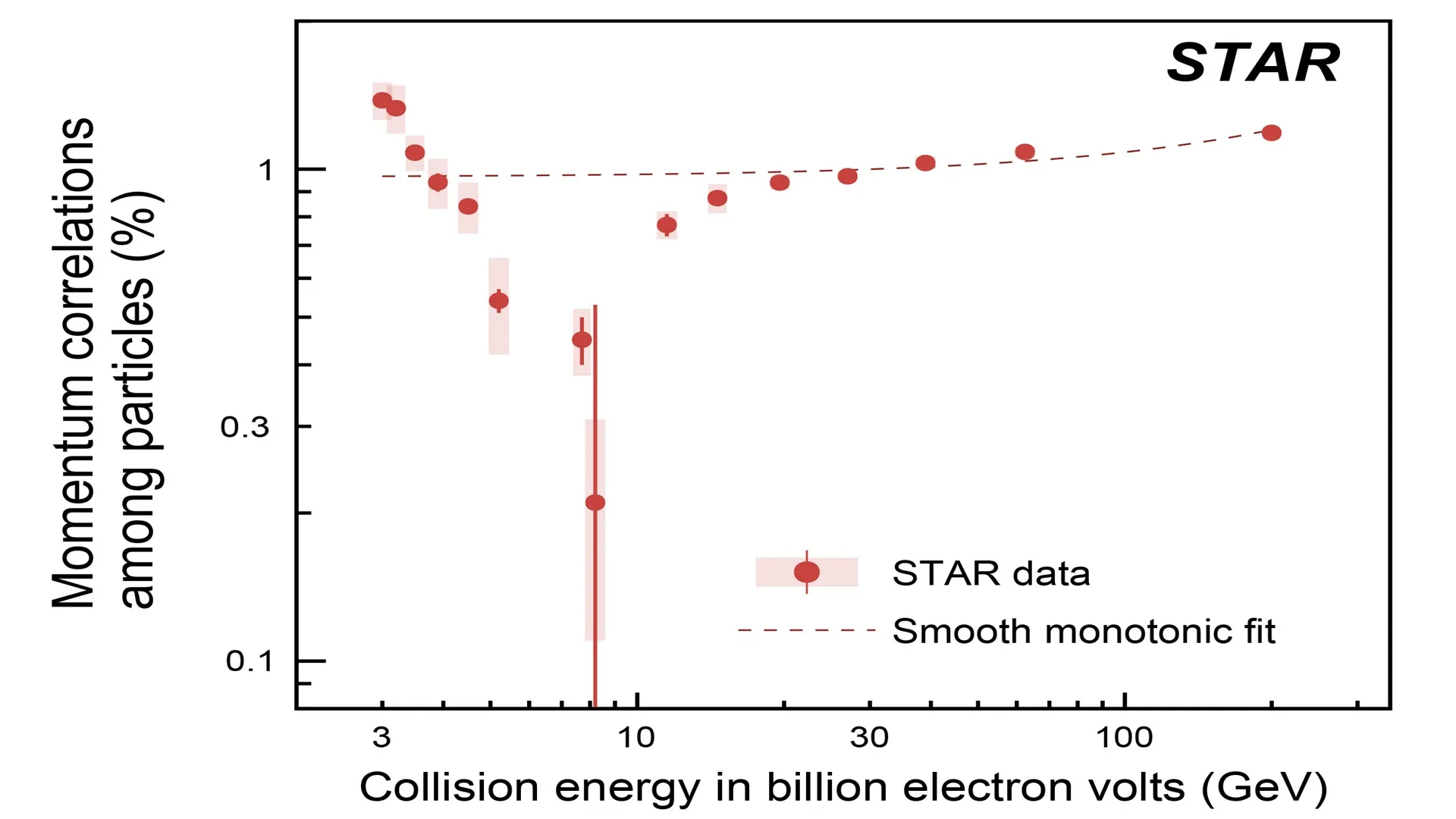
World’s first heavy-ion collider crushes gold ions in Mini Big Bang, finds 5-sigma dip
Researchers in the US have turned to the world’s first heavy-ion collider to smash gold...
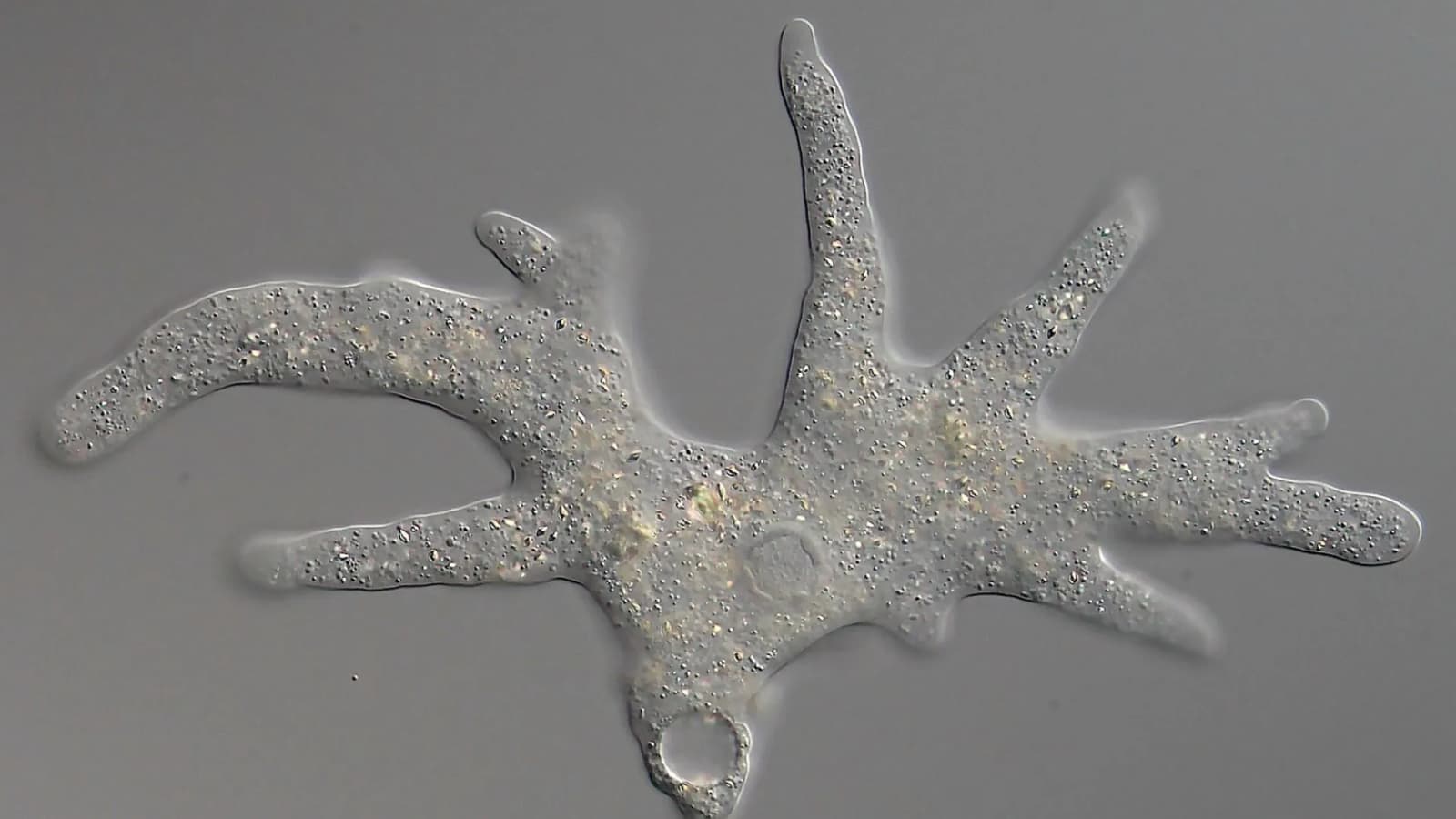
California’s ‘fire amoeba’ reproduces at 145°F, sets new heat record for complex life
A single-celled organism collected from a steaming creek in California can reproduce at temperatures that...

74 million years apart, same technique: Lemurs use formant tuning like trained sopranos
An international research team has found the first direct evidence that a wild animal independently...

Ancient oxygen signatures in meteorites trace origins of early Solar System organics
Before our planet had oceans, air, or even a solid surface, the raw ingredients for...

US school teacher discovers first-ever adult T. rex trackway from 66.5 million years ago
Millions of years after a massive Tyrannosaurus rex trudged through a prehistoric mudflat, paleontologists can finally follow...

Chinese researchers find link between prenatal rare earth exposure and low birthweight
A study of nearly 4,900 pregnant women in China has found an association between prenatal...