
US backs Quaise Energy to unlock world’s first commercial superhot geothermal power plant
A geothermal project under construction in central Oregon is aiming to generate more than 50...
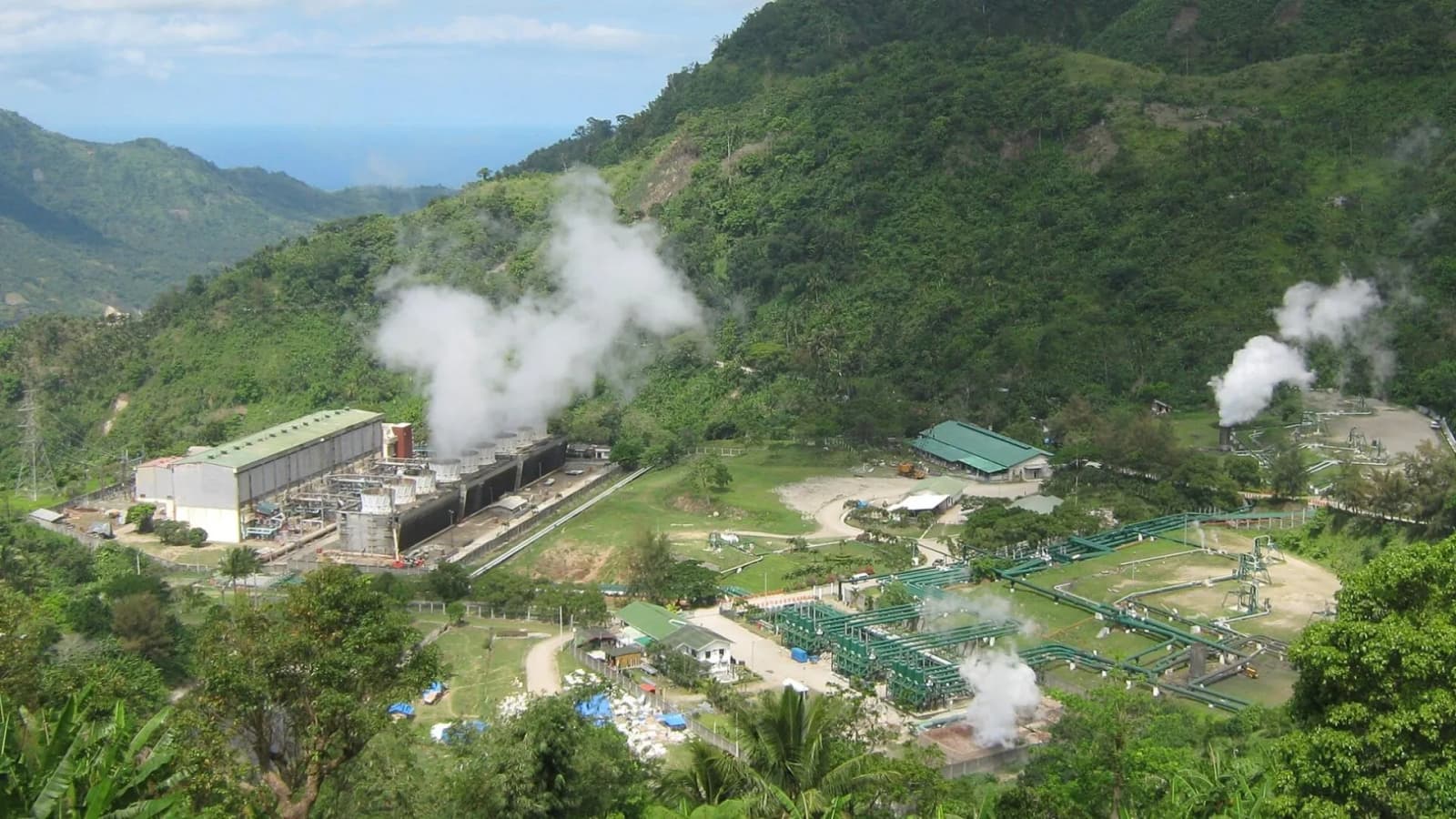
A geothermal project under construction in central Oregon is aiming to generate more than 50 megawatts of electricity by 2030 by tapping heat far below the Earth’s surface.
Its developer, Quaise Energy, says Project Obsidian could become the world’s first commercial superhot geothermal power plant.
The company announced that the US Department of Energy has selected the project for up to $25 million in funding. The proposed contract would help Quaise study its first two wells and use the results to plan a third.
Three wells to test the resource
Project Obsidian is being built south of Bend on a geothermal resource that Quaise says has been extensively studied. A confirmation well is currently being drilled at the site.
The initial three-well configuration is designed to demonstrate more than 25 MW of gross electric capacity, with average reservoir temperatures exceeding 572°F.
That figure describes the planned test. Quaise separately expects the project’s first phase to produce more than 50 MW by 2030, when it aims to deliver its first power to the Pacific Northwest grid.
The DOE support would fund analysis of drilling, stimulation and flow results from the first two wells. Quaise plans to use those findings to optimize the third well and guide later drilling at the site.
“This DOE support is a recognition of what we are building at Quaise and the progress we are making in the field, including the confirmation well currently being drilled at Project Obsidian,” said Carlos Araque, CEO and President of Quaise Energy.
“Our ambition has always been to make superhot geothermal a commercial reality, and Project Obsidian is where we first deliver on that promise,” he added.
Drilling toward hotter rock
Quaise expects to drill a well reaching temperatures above 752°F at Project Obsidian, which it says would make it the hottest well in the Western Hemisphere. Those temperatures exceed the range of current commercial geothermal projects.
The project uses enhanced geothermal systems, or EGS, and advanced drilling techniques to access heat in rock deep underground. Quaise says the approach could eventually make firm geothermal power available across a much wider range of locations.
Results from the three wells would provide an early measure of whether the project can produce electricity at the planned scale.
The DOE-funded work would also let Quaise and its research partners collect and share field data from drilling, stimulation, and flow testing.
A larger project remains possible
Quaise says Project Obsidian has the potential to expand to up to 1 gigawatt of electric capacity. That is a possible future buildout, separate from both the three-well test and the first-phase target for 2030.
The company has not detailed how many additional wells such an expansion would require.
Pacific Northwest National Laboratory, Lawrence Berkeley National Laboratory and Oregon State University are part of the project team.
The DOE selection follows Quaise’s close of $180 million in Series B financing in August 2026 to fund Project Obsidian. For now, the next milestone is the well work: gathering the data needed to assess the resource and plan the project’s next stage.
Related articles
140,000 home batteries generated 580 MW to save California grid during heat wave
In a clean energy milestone, Sunrun and Tesla coordinated the release of more than 580...
Single-atom technique could tackle 350 million tons of global PET plastic waste
To break down a plastic bottle, science doesn’t need a hammer, but a microscopic scalpel....