
$21.2m program to build strongest 3D-woven carbon-carbon shields for hypersonic fleet
Albany Engineered Composites will spend the next 30 months developing a new manufacturing base for...
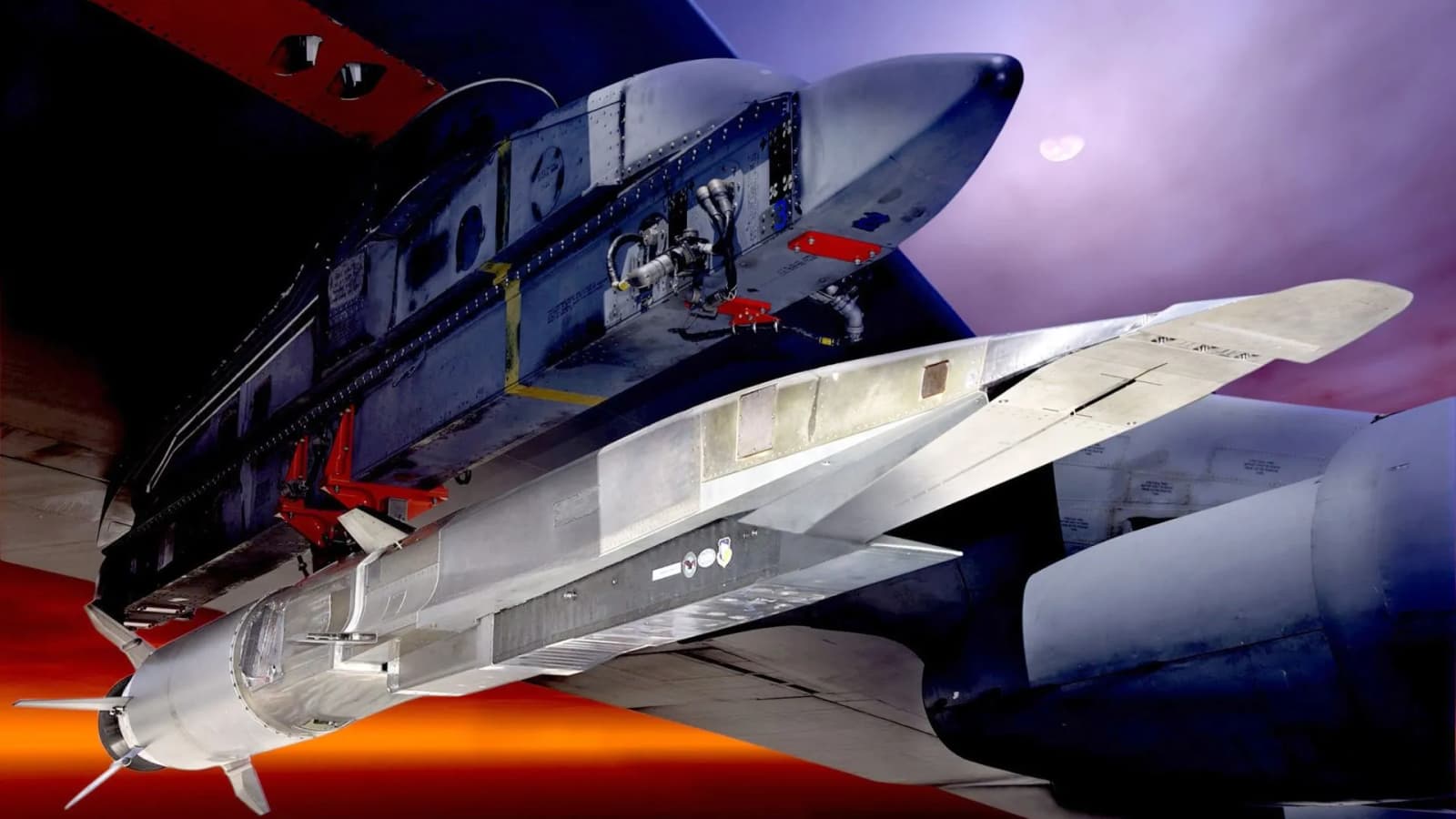
Albany Engineered Composites will spend the next 30 months developing a new manufacturing base for carbon-carbon components used in hypersonic vehicles and solid rocket motors.
The U.S. government has awarded Albany $21.2 million through its Industrial Base Analysis and Sustainment program. The award supports work aimed at moving carbon-carbon thermal protection systems toward scalable domestic production.
The project will be handled by Albany’s AEC Advanced Programs business. U.S. Army Contracting Command – Rock Island and Cornerstone Other Transaction Authority issued the award.
Hypersonics need more capacity
Carbon-carbon composites can survive environments that push conventional aerospace materials to their limits. That makes them particularly useful around hypersonic vehicles and rocket motors.
Hypersonic vehicles generate intense heat as they move through the atmosphere at extreme speeds. Their thermal protection systems must shield critical structures without adding unnecessary weight.
Solid rocket motors create another harsh operating environment. Their components face extreme temperatures during propulsion, placing similarly demanding requirements on thermal protection materials.
The challenge extends beyond developing materials that can survive those conditions. Manufacturers also need reliable processes that can produce complex components repeatedly.
Chris Stone, president of Albany Engineered Composites, said manufacturing presents a major challenge for these defense systems.
“Hypersonic systems and solid rocket motors place extraordinary demands on the material systems,” Stone said. He added that Albany wants to establish the capacity needed to support production at scale.
That production focus separates the project from a purely materials-development effort. Albany will work on the equipment, facility and processes needed to turn advanced composites into repeatable products.
New production setup
Albany plans to establish a vertically integrated carbon-carbon manufacturing facility as part of the program.
The company will begin with engineering studies and facility planning. Those efforts will guide equipment purchases and the selection of suppliers.
Production engineering will also play a major role. Albany intends to install manufacturing equipment and develop the supporting infrastructure needed for carbon-carbon thermal protection systems.
The company brings several existing composite manufacturing technologies to the effort. Its capabilities include 3D-woven near-net-shape preforms and Resin Transfer Molding.
Those methods can help engineers create complex composite structures with less material waste and fewer manufacturing steps. Albany will combine them with its carbon-carbon densification capabilities.
That combination matters because carbon-carbon production involves more than forming an initial composite structure. Manufacturers must also process the material to achieve the properties required for extreme environments.
Strengthening U.S. production
The project targets a broader problem across advanced defense manufacturing. Developing a capable component means little if industry cannot produce it at sufficient scale.
Albany’s planned facility will add U.S.-based capacity for carbon-carbon thermal protection systems. The work could support future programs that require these materials in larger quantities.
Brent Stevenson, Albany’s vice president of emerging markets and technology, said production readiness remains important for both mission areas.
He pointed to Albany’s experience with 3D-woven composite preforms and Resin Transfer Molding. Those capabilities, he said, provide a foundation for developing scalable manufacturing methods.
The award will cover facility development, equipment installation, and production engineering during the 30-month effort. Albany will also work through supplier selection and other steps needed to establish the manufacturing line.
Related articles

Arctic secrets revealed: Seven-year hydrophone record exposes what lurks beneath the ice
A hydrophone sitting half a kilometer beneath the Beaufort Sea has spent seven years listening...
US-backed 10,000-ton plant makes iron, steel in one step, cuts emissions by up to 98%
Hertha Metals plans to build a new U.S. facility capable of producing 10,000 tonnes of...

BMW’s revamped i3 boasts up to 468 miles of range
When BMW first announced it was reimagining the i3 as an all-electric four-door sedan built on its Neue Klasse platform, it left out a lot of important details, like battery capacity, range, and…

Trump orders US government to call AI ‘Super Intelligence’
The US executive branch is no longer acknowledging the existence of "artificial intelligence.
Fusion-built gyrotron uses millimeter waves to drill into superhot geothermal rock
Quaise Energy is turning to hardware developed for fusion reactors to help drill into some...

Elon Musk’s AI-powered Grokipedia is updating again
Grokipedia, the AI-powered online encyclopedia from SpaceXAI, appears to be updating articles once again after a months-long pause.