
Fusion-built gyrotron uses millimeter waves to drill into superhot geothermal rock
Quaise Energy is turning to hardware developed for fusion reactors to help drill into some...
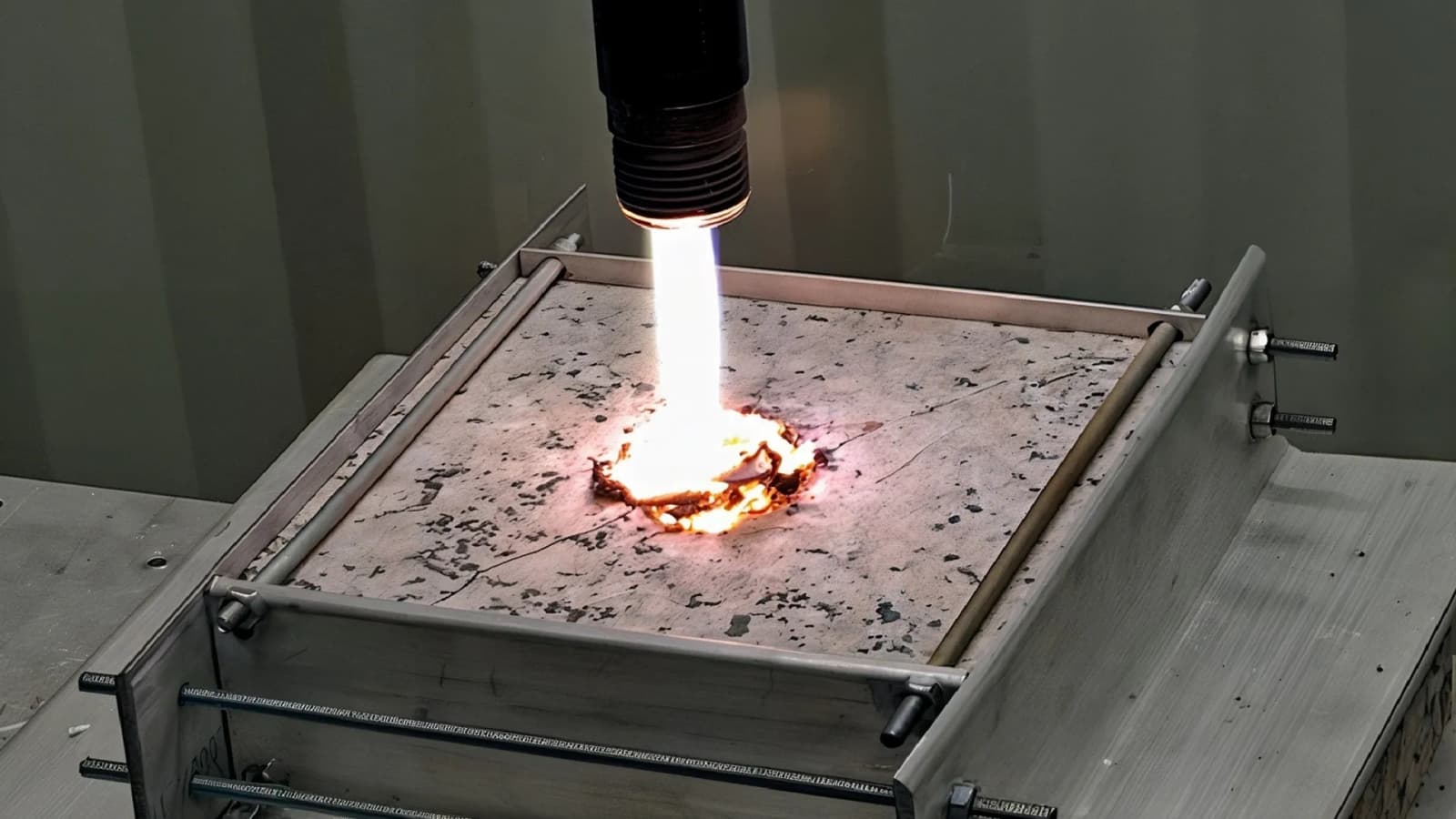
Quaise Energy is turning to hardware developed for fusion reactors to help drill into some of Earth’s hottest underground rock without conventional drill bits.
Kyoto Fusioneering (KF) has received an order from Quaise for a gyrotron system that will power the company’s millimeter-wave drilling technology. The system generates high-power electromagnetic waves that can ablate, or vaporize, rock as a borehole advances.
Quaise is developing the approach to reach superhot geothermal resources at depths and temperatures where conventional mechanical drilling can become difficult or uneconomical. Because energy is delivered from the surface as millimeter waves, the method does not require drilling hardware at the bottom of the hole.
The agreement, signed August 17, marks the first commercial order for KF’s plasma-heating technology outside the fusion industry. The technology was originally developed because fusion experiments require powerful electromagnetic waves to heat plasma to extreme temperatures.
Fusion hardware drills deeper
At the heart of the system is a gyrotron, a specialized vacuum electronic device capable of producing high-power millimeter waves. Quaise plans to direct that energy underground to heat rock intensely enough to remove it, replacing the mechanical cutting action of conventional drill bits.
The company’s drilling concept emerged from more than a decade of research at the Massachusetts Institute of Technology (MIT). Accessing superhot rock could allow geothermal projects to tap much higher-temperature resources and potentially generate large amounts of continuous power.
KF already builds gyrotrons operating at frequencies from 28 GHz to 236 GHz. Its fusion projects include two dual-frequency units for the UK Atomic Energy Authority’s MAST Upgrade and a 1-megawatt system for Tokamak Energy’s ST40.
The company has also supplied the first of two gyrotrons for the U.S. Department of Energy’s DIII-D National Fusion Facility. It has completed the design of a 1.5- to 2-megawatt-class system for Germany’s Wendelstein 7-X stellarator and ASDEX Upgrade. But drilling presents a different engineering challenge.
Millimeter waves run continuously
Many existing fusion experiments operate in pulses lasting only seconds. A geothermal drilling system, however, needs its millimeter-wave source to keep running as the borehole advances. KF said the gyrotron ordered by Quaise is specifically designed for continuous operation.
That requirement could also benefit future fusion power plants. Unlike today’s experimental machines, commercial reactors are expected to require plasma-heating equipment capable of sustained operation. Building continuous-duty gyrotrons for geothermal drilling could therefore help develop technology needed by both industries.
KF has been working on high-power, continuous-operation gyrotrons and power supplies for superhot geothermal applications under Japan’s NEDO Deep-Tech Startups Support Program since 2024. The Quaise contract is the first commercial order to emerge from that work.
“The gyrotron supply chain has to grow well beyond its current size to meet what fusion will need, and it has to grow before that demand arrives, not after. KF is investing in that capability now and taking commercial work that builds it. This work with Quaise is an important part of that,” said Takashi Imai, Group CEO, Plasma Heating Group, Kyoto Fusioneering.
KF plans to use experience from the project to support next-generation geothermal development, including efforts to access deep, high-temperature resources.
Related articles

Elon Musk’s AI-powered Grokipedia is updating again
Grokipedia, the AI-powered online encyclopedia from SpaceXAI, appears to be updating articles once again after a months-long pause.

Suspected ShinyHunters leader arrested in the Netherlands
Dutch police say they arrested a 24-year-old Amsterdam man in connection with ShinyHunters, the hacking group that claimed responsibility for high-profile attacks on Ticketmaster, Rockstar Games, and…

Trump, major tech executives sign ‘morally binding’ voluntary safety accord
U.S. President Donald Trump and executives from some of the world’s biggest technology companies have...
China sets world record with 116 underwater drones navigating with zero human input
China has set a new world record for simultaneous autonomous underwater vehicles after 116 small...
Blue pigment pushes platinum-free fuel cell to record 902 mW/cm2 power density
An international group of researchers has recently developed a carbon-supported blue-pigment catalyst that helped a...
$4M funding backs plasma systems designed to work across different fusion reactors
Fusion developers could soon get standardized plasma diagnostic systems instead of building complex measurement hardware...