
$4M funding backs plasma systems designed to work across different fusion reactors
Fusion developers could soon get standardized plasma diagnostic systems instead of building complex measurement hardware...
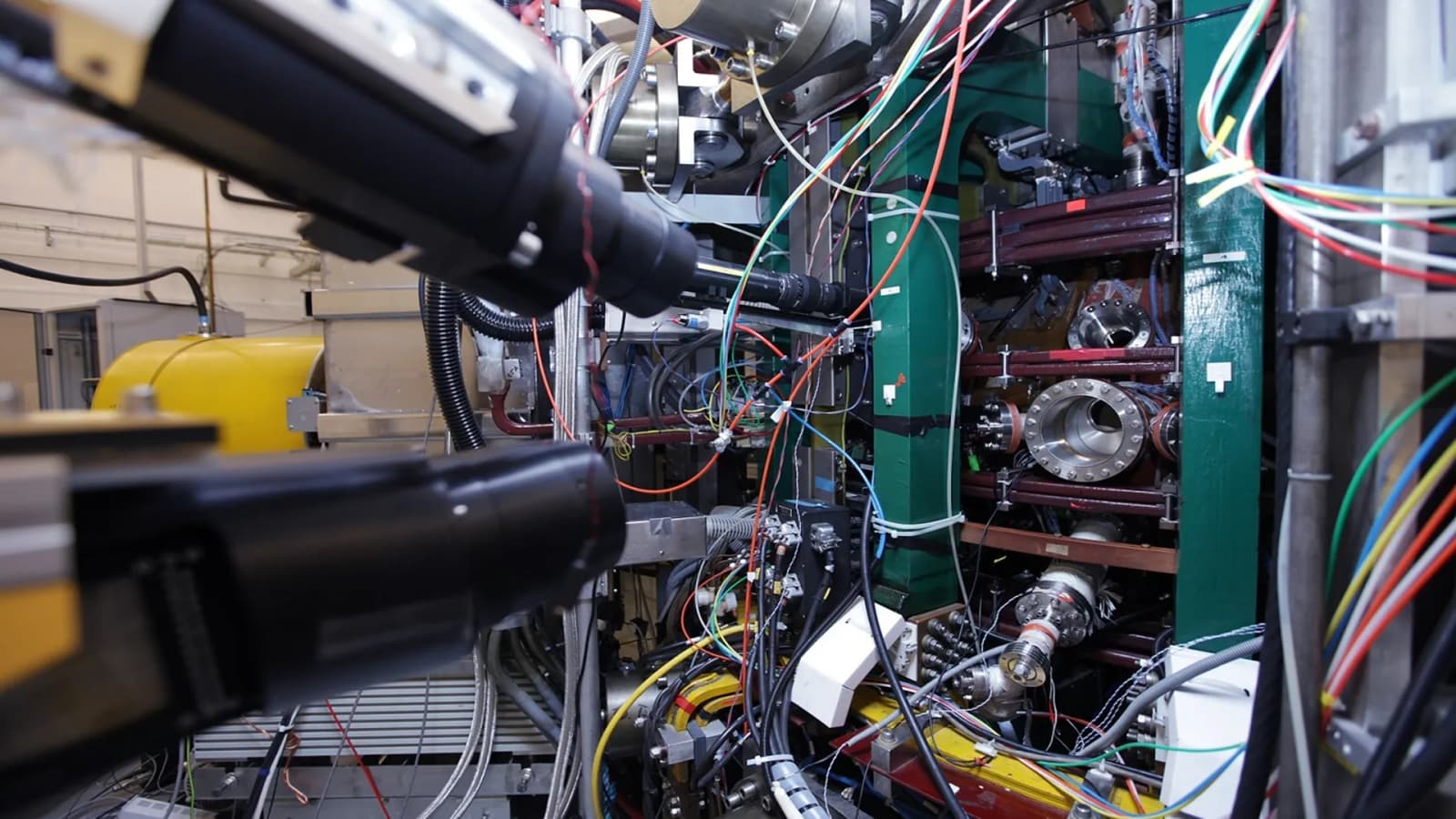
Fusion developers could soon get standardized plasma diagnostic systems instead of building complex measurement hardware from scratch for every reactor.
Daedal Systems, a Toronto-based firm, is industrializing a measurement platform designed to collect detailed data on plasma behavior across different fusion machines and reactor approaches. The systems are intended to give developers faster, higher-quality measurements while allowing them to focus engineering resources on the reactors themselves.
The company has raised $4.035 million to build its first three diagnostic systems and deploy prototypes with pilot customers. The financing was led by OMERS Ventures, with Garage Capital, Panache Ventures, Ripple Ventures, MaRS Investment Accelerator Fund, and angel investors also participating.
Plasma diagnostics are critical to fusion development because engineers need precise measurements to determine how a reactor is performing and whether design changes are working. However, fusion companies often develop these measurement systems internally, requiring engineering time and resources that could otherwise go toward their core reactor technologies.
Standardizing fusion plasma measurements
Daedal’s approach is to turn those diagnostics into standardized systems that can be adapted to different fusion machines. Delivered as a service, the platform is designed to provide measurements without requiring each developer to create an entirely new diagnostic setup internally.
“After building and deploying plasma measurement systems at General Fusion, I saw the same challenge across the sector: every company needs high-quality diagnostics, but too much time and capital go into recreating similar systems in-house,” said Henry Gould, founder and CEO of Daedal Systems.
“Daedal was created to solve that problem by giving fusion companies access to standardized, high-quality plasma measurement systems that can improve the quality of their data and help them move faster toward commercialization.”
The company also says independently collected measurements could help fusion developers validate technical milestones for investors and partners. That could provide another route for assessing progress without relying solely on longer peer-review processes.
Daedal has a research partnership with the University of Wisconsin-Madison and will initially concentrate its technology on the fusion sector. Longer term, it plans to expand its instrumentation platform into other industries requiring advanced measurement systems.
Diagnostics drive reactor progress
Measuring plasma accurately has already played a major role in major fusion experiments. The National Ignition Facility (NIF), for example, relied on advanced diagnostic tools during its 2022 demonstration of fusion ignition.
“Advanced plasma diagnostics were among the key enabling technologies that led to ignition and target gain at the NIF,” said Dr. Johan Frenje, a Technical Advisor to Daedal Systems.
“As fusion technology advances in the private sector, measurement solutions designed specifically for private-sector needs will be essential.”
The first deployments will test whether a standardized diagnostics model can work across the increasingly varied machines being developed by private fusion companies. If successful, the approach could reduce duplicated engineering work while giving developers a common source of independently generated plasma data.
Daedal ultimately aims to become an instrumentation provider for commercial fusion power, supplying measurement hardware and services as reactors move from experimental machines toward operating power systems.
Related articles
China sets world record with 116 underwater drones navigating with zero human input
China has set a new world record for simultaneous autonomous underwater vehicles after 116 small...
Blue pigment pushes platinum-free fuel cell to record 902 mW/cm2 power density
An international group of researchers has recently developed a carbon-supported blue-pigment catalyst that helped a...




Protesters gather at OpenAI’s DevDay
On Tuesday, OpenAI's annual DevDay event began with protests, flyers, and chants.