
$20.7B Pentagon deal ramps up AMRAAM missile production to record-breaking 1,900 yearly
Raytheon is preparing to push AMRAAM production to unprecedented levels after securing a multiyear U.S....
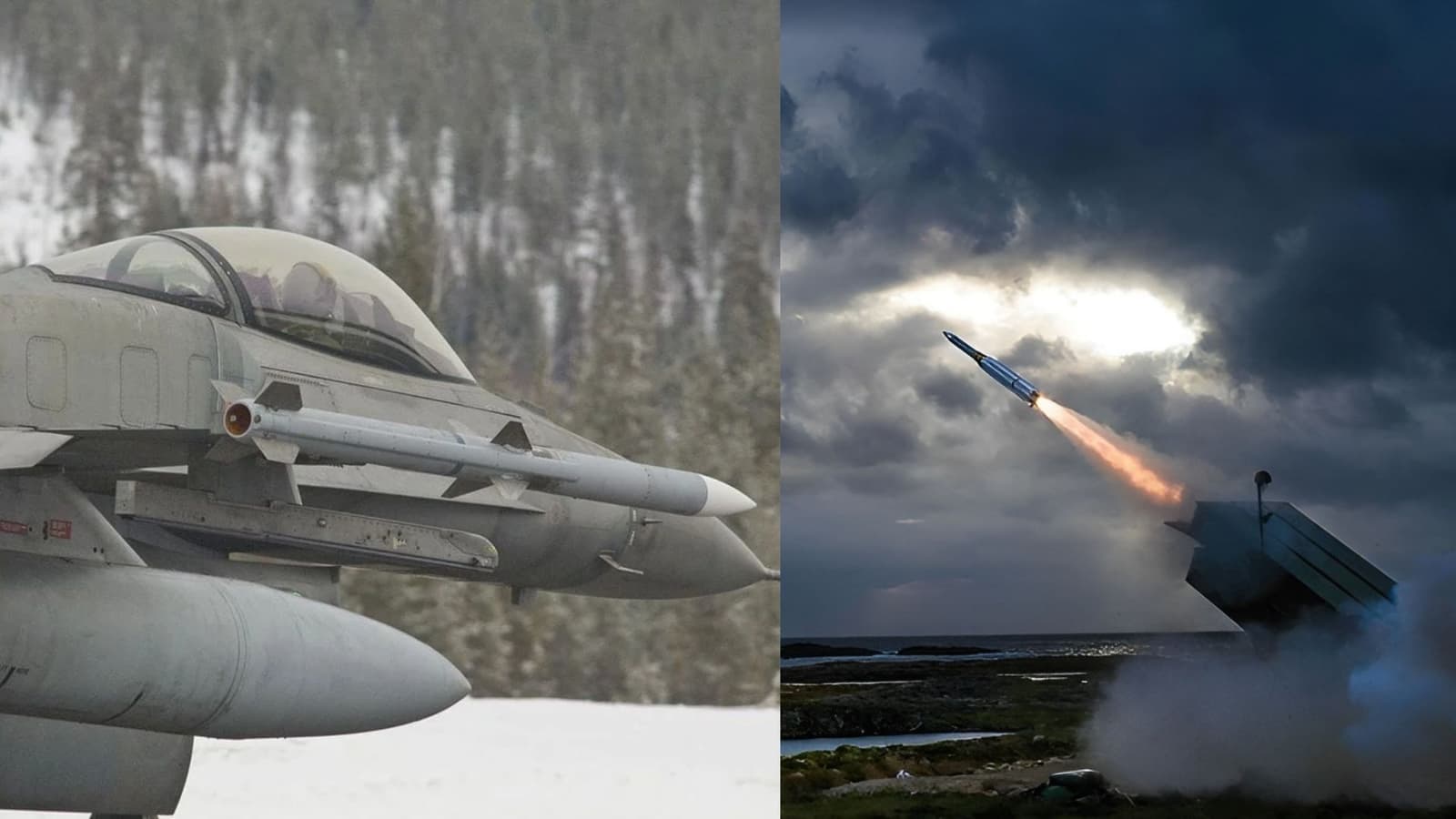
Raytheon is preparing to push AMRAAM production to unprecedented levels after securing a multiyear U.S. defense contract worth up to $20.7 billion.
The agreement covers five years of production and includes two option years. It could support annual output of at least 1,900 AMRAAM missiles.
The U.S. Department of War awarded the deal Sept. 25 as part of its Arsenal of Freedom initiative. The effort aims to expand American weapons manufacturing and give the military greater access to critical munitions.
Raytheon’s production push comes as the United States and its allies seek larger missile inventories. The company nearly doubled AMRAAM output in 2025 compared with 2024.
Bigger AMRAAM pipeline
AMRAAM has become a central part of the U.S. inventory for beyond-visual-range air combat. The missile also serves as the interceptor used by the NASAMS air-defense system.
Raytheon President Phil Jasper said the company is increasing capacity across several parts of its manufacturing operation.
“We continue to make significant investments in our workforce, technology, supply chain and facilities,” Jasper said. He pointed to rising demand from the U.S. Air Force, Navy and international customers.
Reaching 1,900 missiles each year will put considerable pressure on the production network behind AMRAAM. The missile depends on a broad ecosystem of American suppliers that feed components into the program. RTX says hundreds of small and midsize suppliers already support its operations. The company is also exploring international co-production as demand expands.
That industrial network matters because increasing missile output involves more than speeding up final assembly. Suppliers must also expand their own capacity and maintain a steady flow of components.
A multiyear order gives those manufacturers a clearer view of future demand. That visibility can make it easier to justify investments in equipment, workers, and additional production capacity.
Missile keeps evolving
AMRAAM has reached its fifth generation since entering service. The missile now operates across 14 platforms and serves 44 countries. More than 7,000 successful live fires have taken place during testing and combat. Its continued use reflects the missile’s ability to support different air-combat and air-defense requirements.
Newer AMRAAM variants feature upgraded processors that allow engineers to introduce software changes more rapidly. Those updates can help the weapon adapt as threats and electronic-warfare techniques evolve.
The missile combines guidance capabilities with electronic protection for operations in contested environments. Its architecture supports engagements where aircraft and weapons face increasingly complex countermeasures.
AMRAAM’s ground-based role adds another dimension to the production requirement. NASAMS uses the missile to provide air defense against airborne threats.
That means a single missile family supports two distinct operational environments. Fighters can carry AMRAAM for air-to-air engagements, while ground systems can use it for air defense.
Pentagon expands missile capacity
The new award fits into a larger U.S. effort to expand domestic weapons production. The Department of War says AMRAAM represents one of several programs supporting that industrial push.
“We are working across the defense industry to ramp production and build the Arsenal of Freedom,” said Under Secretary of War for Acquisition and Sustainment Michael P. Duffey. Duffey said the award will help equip U.S. forces and allied militaries with an established air-to-air weapon.
The Air Force, Navy, and Foreign Military Sales partners are participating in the broader procurement effort. The arrangement also relies on congressional authority for multiyear AMRAAM procurement.
Source: https://interestingengineering.com/military/20-7b-pentagon-amraam-missile-deal
Related articles
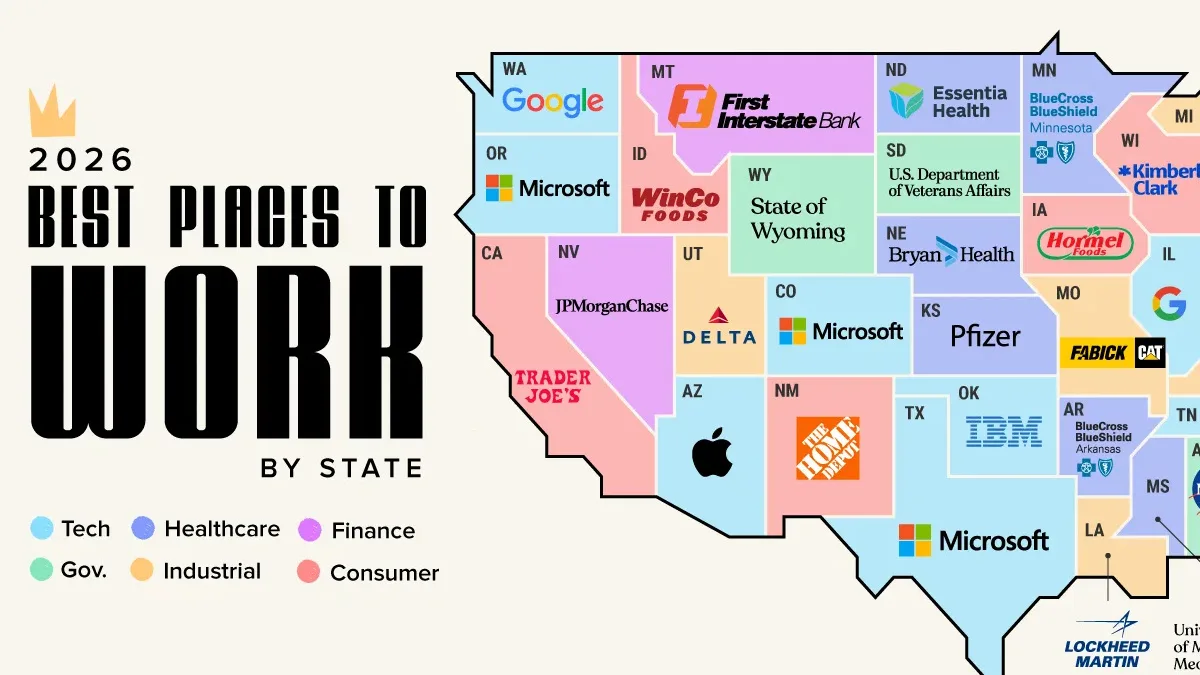
Mapped: The Best Employer in Every U.S. State
Microsoft and Google dominate America’s best employers, but the company that ranks first varies widely from state to state.

New Boeing 737 MAX software glitch sparks FAA safety review, causes certification delays
Boeing’s push to bring the final two 737 MAX variants into commercial service faces another...

NineDot opens 20 MW Bronx battery site to power 20,000 homes, boost New York’s power grid
A new NineDot battery energy storage system in Hunts Point, the Bronx, will deliver nearly...

Ranked: America’s 25 Best Cities for Work in 2026
Discover the best cities for work in 2026, ranked by job opportunities, compensation, career mobility, work-life balance, and more.

10 Leadership Behaviors That Drive Team Accountability
See what leaders at high-performing companies do differently to drive team accountability, based on a survey of 1,000 U.S. professionals.
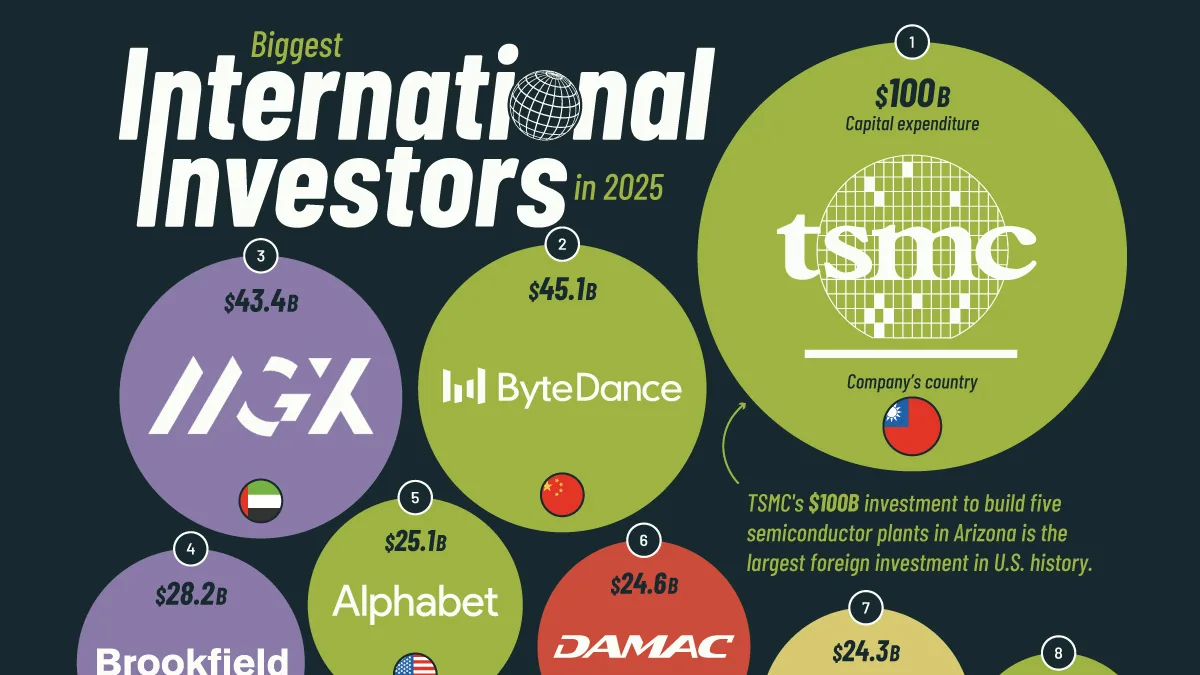
Ranked: The World’s 10 Biggest Foreign Investors
Tech firms made many of the world's largest investments in 2025, led by a Taiwanese company's $100-billion investment in Arizona.